


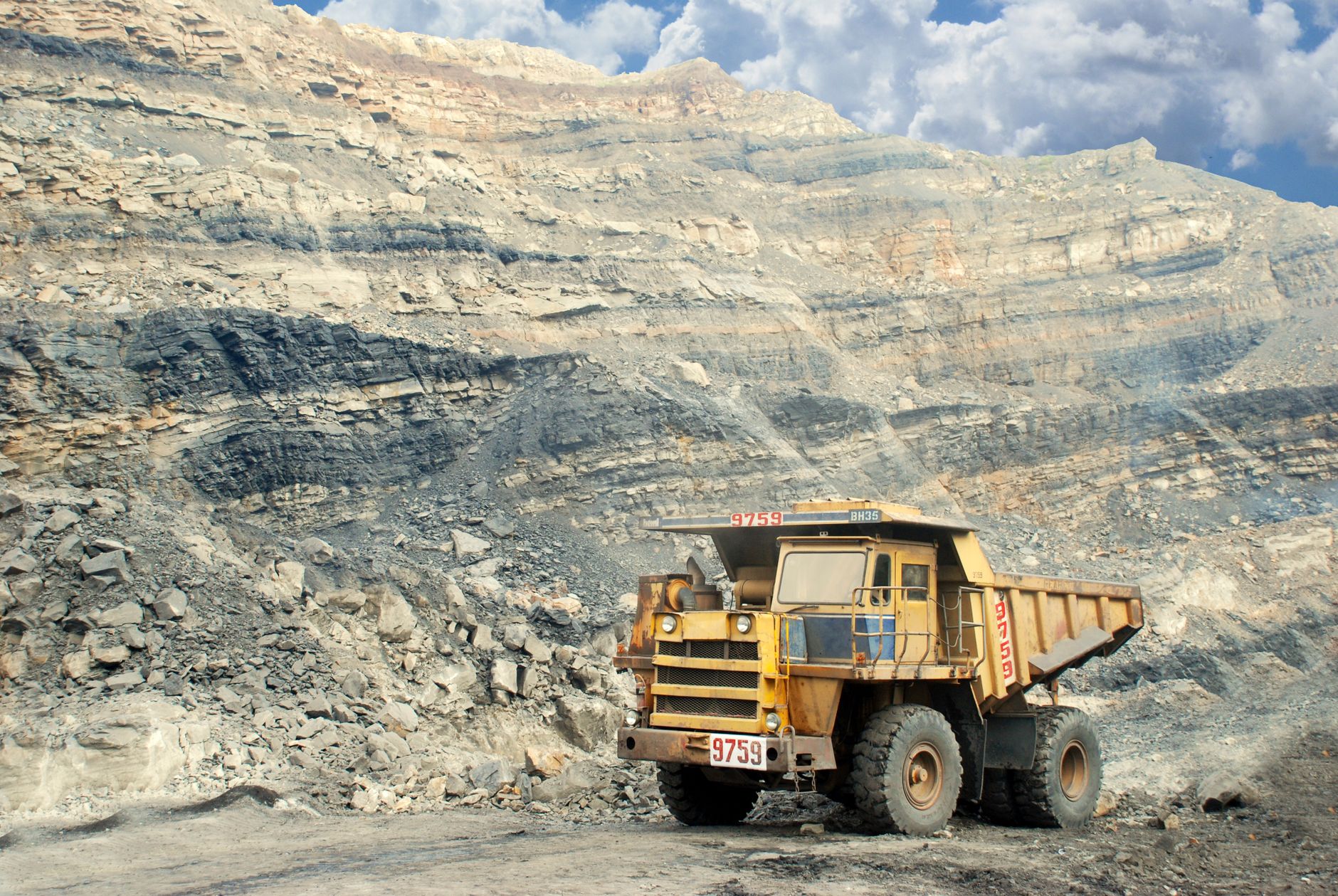
Gécamines, a historic pillar of the Congolese mining industry, is displaying renewed ambitions. Its Managing Director, Baraka Kabemba, announced a target of 300,000 tonnes of copper marketed in 2026, at the first edition of the Makutano Mining Forum, a platform dedicated to players in the extractive sector in the Democratic Republic of Congo.
A symbolic milestone for a company in reconstruction
For Gécamines, this objective represents far more than a production figure. The state-owned company, which has long suffered the combined effects of deindustrialisation, undercapitalisation and dependence on partnerships with foreign private operators, is seeking to reposition its role in the national mining value chain. According to Baraka Kabemba, mining sovereignty and the creation of added value in the DRC are the priority axes of this revival.
The Managing Director’s address at the Makutano Mining Forum comes in a context where Kinshasa is multiplying signals in favour of greater control over its natural resources. The DRC holds some of the world’s largest reserves of copper and cobalt, two metals that have become strategic in the global energy transition, lending these announcements a resonance well beyond the Congolese borders.
The Afriques newsletter
- Free & no spam
- 1 email per day
- Unsubscribe in 1 click
Mining sovereignty: a discourse still searching for concrete translation
While the watchword of mining sovereignty is now firmly embedded in Congolese institutional discourse, its implementation raises questions that the communiqué does not resolve. Gécamines remains structurally tied to joint ventures with foreign groups for the majority of its effective production. Within this framework, the marketing of 300,000 tonnes independently — or through these partnerships — does not yet indicate what share accrues directly to the Congolese state in terms of net revenues, local processing or skilled jobs created on its territory.
Value creation, another notion put forward by Baraka Kabemba, points to a long-term structural challenge: that of refining and processing copper locally, rather than exporting raw or semi-processed ore. At this stage, the communiqué does not specify whether specific investments are planned in this direction, nor on what timeline.
A forum as a platform, but what commitments?
The choice of the first edition of the Makutano Mining Forum as a platform for these announcements reflects a desire to communicate around Gécamines’ strategy. This type of event makes it possible to bring together stakeholders — investors, institutional partners, civil society — around a shared vision. But between the stated vision and measurable results, the path remains to be charted.
Several grey areas deserve close monitoring: Gécamines’ financial capacity to meet this target of 300,000 tonnes without significant new indebtedness, the governance of existing mining contracts, and the actual space left for Congolese companies and subcontractors in the supply chain. The DRC has in the past seen ambitious announcements in the mining sector that were slow to materialise.
What will need to be watched in the coming months: the publication of actual marketing results, any potential revisions of partnership contracts, and above all the concrete measures to support local processing that Gécamines intends to deploy in order to give real substance to the notion of mining sovereignty.
Source: Actualite.cd (DRC), 24 November 2026
Further reading
See also
- Cereal export restrictions: when major producers’ policies undermine African food security
- R&D 2026: AI concentrates research, Africa must respond
- Cost of living in Nigeria 2026: monthly budget in Lagos

Moussa D.
Editor-in-chief of lesafriques.com. An economic journalist trained in Tunis, he sets the editorial line and reviews every article before publication. He ensures every figure is sourced, verified and dated, in line with the site's methodology.
View all articles → · LinkedIn ↗


