
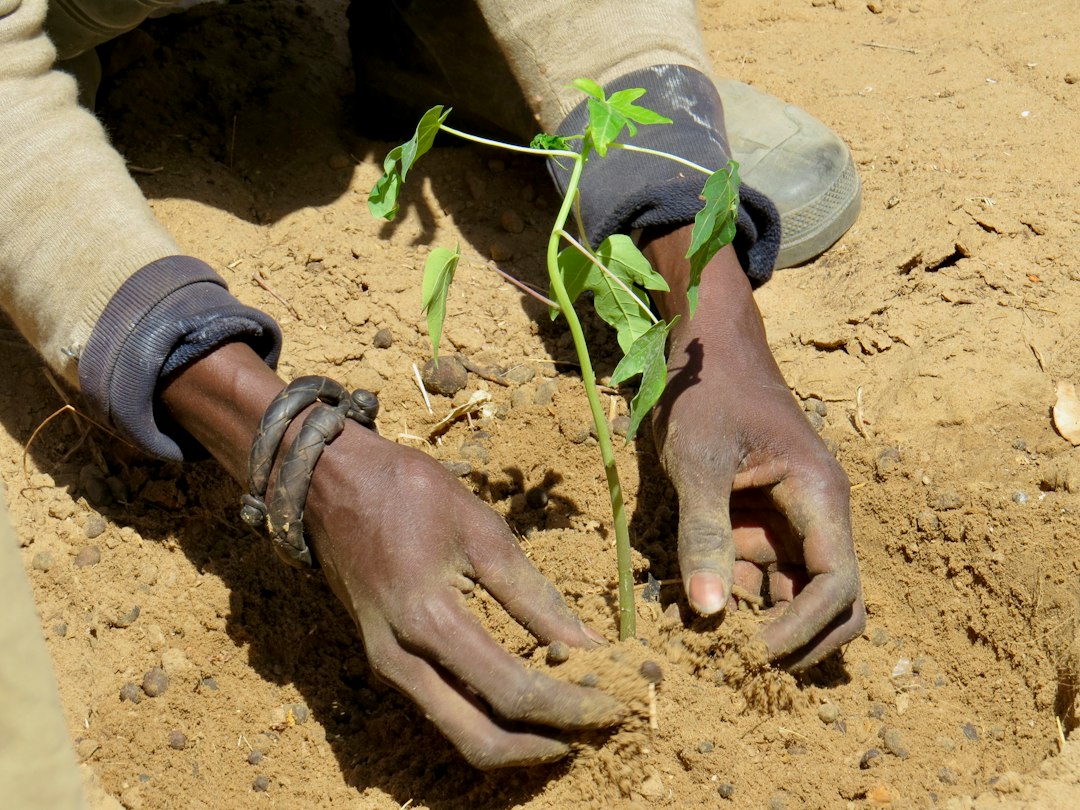
Sesame is quietly moving from the margins to the mainstream of Senegalese agriculture. At a high-profile launch event in Mbour, western Senegal, producers and researchers sent an unambiguous message to policymakers: without targeted investment in equipment, the sector’s hard-won momentum risks stalling at the very stages where value is created — and lost.
The VACS Project and the Case for State Support
The occasion was the official launch of a project formally titled “Strengthening the Sesame Value Chain in Senegal through Rural Processing, Innovation and Inclusive Market Development” — known by its French-language acronym VACS 2026-2027. The event, held on a Friday in Mbour, brought together producers, researchers and other stakeholders who collectively described sesame as now “indispensable” to the country’s agricultural landscape. Their central demand: structured government support for harvesting and post-harvest equipment, two links in the chain they say remain critically under-resourced.
According to the project’s promoters, VACS 2026-2027 aims to deepen rural processing capacity and drive inclusive market development across its two-year lifespan. The ambition goes well beyond primary production — the goal is to capture more value locally before the crop leaves Senegalese hands.

The Afriques newsletter
- Free & no spam
- 1 email per day
- Unsubscribe in 1 click
Why Equipment Is the Deciding Factor
Post-harvest losses are a recurring drag on oilseed sectors across Africa, and sesame presents a particular challenge. The plant must be harvested before the seed pods fully ripen; leave it too long and the pods split open, scattering the seeds and slashing yields. Without appropriate cutting, drying, sorting, dehulling and packaging equipment, smallholders — who make up the bulk of sesame producers — absorb losses that erode already thin margins.
Researchers attending the Mbour launch reinforced this diagnosis. Advances in seed varieties and farming techniques, they argued, deliver little economic benefit if the downstream processing chain is not equipped to handle the harvest properly. The sector’s call to government is therefore precise: intervene at those specific post-harvest stages where value addition either happens or evaporates.
A High-Potential Sector Still Finding Its Feet
Global appetite for sesame is growing, driven by sustained demand from Asia and the Middle East and by the seed’s well-documented nutritional profile. Several West African countries — including Nigeria and Burkina Faso, both established sesame exporters — have already moved to formalise their value chains and capture a larger share of export revenues. Senegal’s VACS launch signals an intent to compete in that regional race rather than watch from the sidelines.
That said, the road ahead is long. Scaling up local processing requires not just machinery but also reliable commercial offtake arrangements, compliance with international food safety and phytosanitary standards, and producer organisations strong enough to negotiate credibly with buyers. Crucially, the source material available at this stage does not detail how VACS 2026-2027 will address financing, professional organisation or export market access — three pillars without which equipment alone cannot transform a value chain.
What to Watch
The Mbour event gave the sector’s equipment demands a public, politically visible platform. But no government response or specific budget commitment was reported in the available information. For diaspora members with agricultural ties to Senegal, investors tracking West African agribusiness, or development finance institutions active in the region, the key question is whether this advocacy translates into a measurable budget line — and on what timeline. The gap between a project launch and equipment on the ground is precisely where many African agricultural initiatives lose their way.
Frequently asked questions
What is the VACS 2026-2027 project?
VACS 2026-2027 is a structured initiative — formally launched in Mbour, Senegal — aimed at strengthening the sesame value chain through rural processing, innovation and inclusive market development. According to its promoters, it is designed to run across the 2026-2027 period and focuses on moving the sector beyond raw commodity exports.
Why does post-harvest equipment matter so much for sesame?
Sesame pods shatter if left to fully ripen on the plant, causing significant grain loss. Once harvested, the crop requires careful drying, sorting, dehulling and packaging to meet commercial quality standards. Inadequate equipment at any of these stages leads to losses that fall disproportionately on smallholder producers and reduce the value that can be captured locally.
How does Senegal compare with other West African sesame producers?
Nigeria and Burkina Faso are among the more established sesame exporters in West Africa, with longer track records of structured export supply chains. Senegal is at an earlier stage of formalising its sector. The VACS project positions the country to close some of that gap, but the details of how it will do so — financing, market linkages, certification — remain to be confirmed.
What commitment has the Senegalese government made so far?
Based on available reporting, the sector’s equipment demands were voiced publicly at an official launch event. No specific government budget commitment or formal response had been recorded at the time of publication. Stakeholders and observers will need to monitor whether the advocacy translates into concrete fiscal measures.
Source: APS (Agence de Presse Sénégalaise — Senegal’s national news agency), June 2025