


Twenty-four years. That is the time elapsed since the Senegalese vessel Le Joola sank in the waters of the Atlantic, off the Gambian coast, in the night of 26 to 27 September 2002. Every year, on 26 September, Senegal suspends part of its activity to mourn. The victims’ families gather, survivors bear witness, and the country attempts to keep alive a duty of remembrance in the face of one of the deadliest maritime disasters in the contemporary history of the African continent.
On the occasion of this 24th anniversary, the Senegalese Press Agency (APS) broadcast a video report in which it gives the floor to a former member of the rescue teams who participated in the first relief operations. This witness, a former head of the Diamniadio fire station, reflects with the benefit of hindsight on the circumstances of the tragedy and on the hours that immediately followed — a decisive moment in which every minute counted and in which the available resources would prove cruelly inadequate.
A disaster whose scale remains unmatched in the region
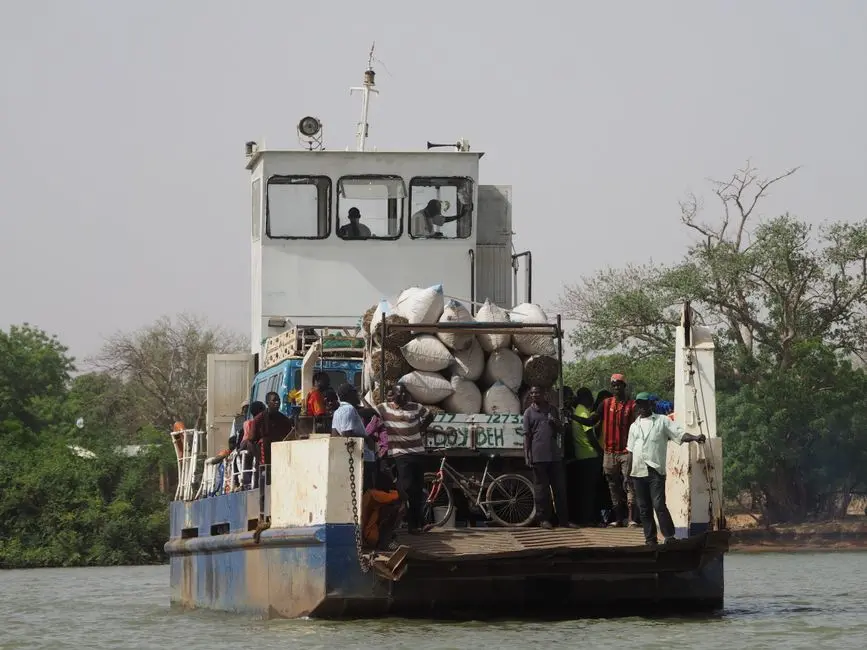
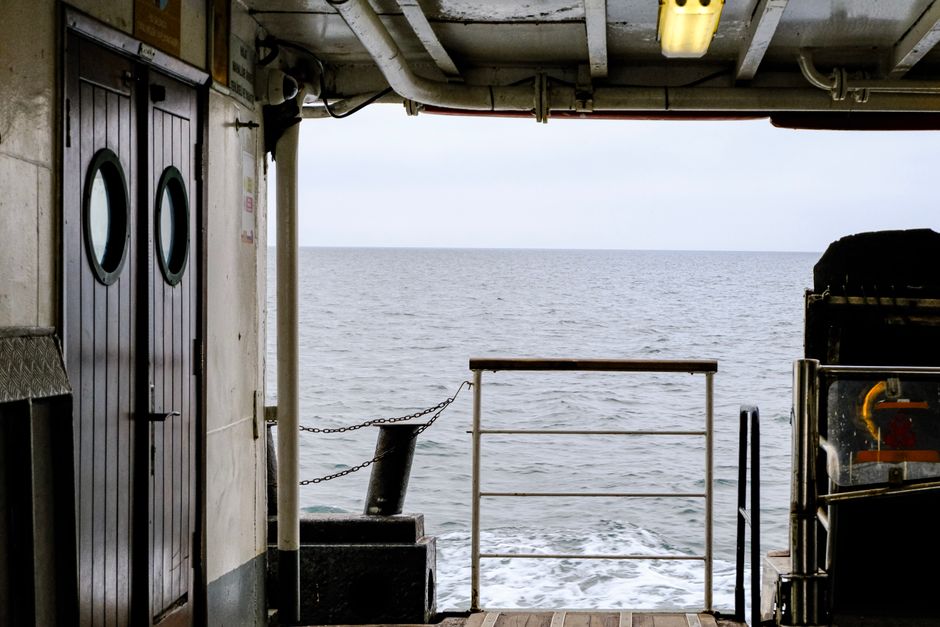
The sinking of the Joola constitutes a painful marker in the collective memory of Senegal and, more broadly, of West Africa. The ferry operated the route between Dakar and Ziguinchor, the capital of Casamance, a historically landlocked southern region for which maritime access represented a vital issue for its populations. Officially designed to carry a limited number of passengers, the vessel was sailing that evening with a number of people on board far exceeding its regulatory capacity — an overload that played a central role in the speed of the capsizing.
The human toll, established at several hundred deaths, places this tragedy among the deadliest shipwrecks in the world since the Second World War, surpassing even the official death toll of the Titanic. Among the victims were civilians, military personnel, students, merchants, women and children rejoining their families. Casamance, in particular, lost that evening a significant share of its working-age population and its youth.
Rescue efforts overtaken by unpreparedness
The testimony gathered by the APS from the former head of the Diamniadio fire service sheds light on the conditions under which the first rescue operations were launched. Without the press release detailing the entirety of his remarks, the very identity of this witness — a field man, engaged from the very first hours — underscores a reality that successive commemorations have not erased: rescue teams had to improvise in a context where the means assigned to this type of situation were not equal to the scale of the catastrophe.
Twenty-four years later, these logistical and institutional shortcomings remain a sensitive subject. The Senegalese authorities of the time were subjected to severe criticism, notably regarding response delays, failures in the chain of command, and the absence of effective maritime coordination mechanisms with neighbouring countries — in this case Gambia, off whose coast the shipwreck occurred.
Memory as a political act
The annual commemoration of 26 September is not a trivial act. It is carried by victims’ associations, which have for years demanded truth and justice. While judicial proceedings have been initiated, the feeling of persistent impunity and of responsibility never fully assumed still runs through the discourse of bereaved families. The dismissals handed down over the years by the courts have left a bitter taste with many families who were waiting for answers regarding the exact responsibilities for the tragedy.
The APS’s decision in 2025 to highlight the testimony of a field actor rather than a political figure illustrates a significant editorial choice: that of giving the floor to those who experienced the tragedy from the inside, without institutional filtering. It is an approach that stands in contrast to official commemorations, often perceived as exercises in image management rather than authentic memory transmission.
Structural questions still unresolved
The sinking of the Joola exposed structural vulnerabilities that were not limited to the ferry alone: ageing vessels operating on African coastal routes, insufficient technical inspections, chronically tolerated overloads, a deficit in maritime emergency training, and the weakness of regional mechanisms for coordinating sea rescue. These problems, documented at the time, continue to fuel concerns about the safety of maritime transport in West Africa.
The APS press release does not specify whether current Senegalese authorities took part in official ceremonies or whether any particular announcements accompanied this 24th anniversary. This partial silence is in itself revealing: the commemoration of the Joola sometimes struggles to move beyond the stage of mourning and to give rise to concrete commitments on maritime safety.
What to watch
Several points warrant sustained attention in the months ahead. The question of the wreck, still lying on the ocean floor with many victims never recovered, remains a source of pain for families and of debate about the feasibility and cost of a potential salvage operation. The reform of Senegal’s maritime transport sector, particularly on the Dakar-Ziguinchor axis, constitutes another issue, at a time when opening up Casamance remains a national priority. Finally, transmitting the memory of the tragedy to a generation that did not experience it directly represents a cultural and educational challenge that Senegalese institutions have not yet fully met.
Frequently asked questions
What was the Joola shipwreck?
The Joola was a Senegalese ferry operating the route between Dakar and Ziguinchor, in Casamance. It capsized in the night of 26 to 27 September 2002 off the Gambian coast, causing the deaths of several hundred people in what constitutes one of the deadliest maritime disasters in contemporary history.
Why was the death toll from the Joola so high?
Several factors contributed to the scale of the toll: the vessel was carrying a number of passengers far exceeding its official capacity, weather conditions were difficult, rescue teams took time to respond, and the rescue resources deployed proved insufficient in the face of the extent of the disaster.
Did the courts establish responsibility?
Judicial proceedings were opened in Senegal, but they resulted in dismissals, leaving many victims’ families without a satisfactory answer regarding the criminal responsibilities for the shipwreck. This feeling of impunity remains a source of pain and a grievance for victims’ associations.
Has the wreck of the Joola been salvaged?
No. The wreck of the Joola still lies on the floor of the Atlantic Ocean, off the Gambian coast. Many victims have never been recovered. The question of a possible salvage operation has been raised on several occasions, but no operation of this nature has been undertaken to date, notably due to the technical complexity and the costs it would entail.