

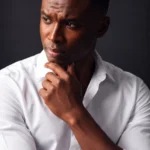
The António Guterres era will end on 31 December 2026, and the race for the post of United Nations Secretary-General has now entered its decisive phase. At a time when the UN is facing an existential crisis, torn apart by wars, the paralysis of the Security Council, and an overwhelming financial crisis, Macky Sall’s approach stands out. Here is why he embodies this break with the past.
Historically, the United Nations has tended to favour career diplomats or political figures who master from the inside the vast Genevan or New York bureaucratic machinery. Macky Sall counters this classicism with the pragmatism of a former head of state who led his country for twelve years and chaired the African Union (AU). This highly political and decision-making dimension gives him a natural authority to engage on equal footing with the leaders of the world’s great powers.
Since the end of Kofi Annan’s mandate in 2006, no African has led the institution. Yet the continent represents more than a quarter of member states and constitutes the main theatre of United Nations peacekeeping operations. Macky Sall’s candidacy represents a break with Western-centric global governance. He carries the voice of an unapologetic “Global South” that refuses to be a mere subject of international resolutions and instead seeks to become one of their true architects.
One of Macky Sall’s major battles, particularly during his AU presidency in 2022, was the fight for an in-depth reform of the global financial architecture. It was under his impetus that African diplomacy fought for — and obtained — a permanent member seat for Africa within the G20. For Macky Sall, there can be no security without economic justice. This is a vision that breaks from the strictly security-focused and humanitarian approach of the UN: to put out the fires of war, global finance must be reformed.
While other candidates sometimes carry in their wake political positions perceived as divisive by certain members of the Security Council (such as Michelle Bachelet’s reports that irritated Beijing, or American reservations regarding certain profiles), Macky Sall plays the card of balance.
In the face of the extreme geopolitical turbulence of the 21st century, the choice of the next Secretary-General has never been so crucial. Against his competitors who represent a certain institutional continuity, Macky Sall’s candidacy invites the UN to undergo a shock to the system. More than a candidate from Africa, he positions himself as the candidate for the indispensable transformation of multilateralism. A bold wager, but perhaps the only one capable of repairing a fractured world order.