


Profitable business in Mali: concrete ideas and testing method
Finding a profitable business idea in Mali is good — testing it without risking all your savings is better. Between Bamako and regional cities, opportunities exist: food distribution, motorcycle services, local processing, digital commerce. The key is choosing based on your starting capital, location, and ability to generate income quickly. Here are the concrete leads and the method to avoid mistakes.
Profitable business in Mali: the most solid leads
| Idea | Why it holds up |
|---|---|
| Local food distribution | steady demand, fast product turnover |
| Local processing | juices, cereals, shea, packaged products |
| Motorcycle and vehicle services | recurring need in Bamako and secondary cities |
| WhatsApp sales with delivery | low startup cost, quick market testing |
| Cold drinks, beverages and small food service | margin possible with a good location |
Bamako, regions and margin logic
Bamako offers more customers, but also more competition and higher rents. Regional cities can be interesting when supply is scarce, provided you manage stock and shortages well.
What to check before getting started
- actual supplier price after transport;
- average payment collection time;
- possible losses on perishable products;
- delivery or transportation costs;
- ability to sell without excessive customer credit.
Also read: profitable business in Senegal, profitable business in Cameroon, profitable business in DRC.
The real criterion: sell before setting up shop
In many projects in Mali, the mistake is to start with the outward signs of a business: a premises, a sign, stock, sometimes even an employee. The market quickly punishes this logic. In Bamako, it is better to first prove that customers pay, come back and recommend you. The premises then becomes an accelerator, not an opening gamble.
A serious test comes down to a few simple figures: number of sales per week, net margin after transport, time spent selling, returned products, customers who buy again. If these figures are not known, the project is still an intuition, not a business.
Three realistic scenarios
| Scenario | What to check before expanding |
|---|---|
| Targeted food sales | fast turnover, low losses, regular customers |
| Motorcycle service | visible location, parts available, reliable technician |
| Local processing | consistent quality, clean packaging, outlets secured before production |
What often makes the difference
In Mali, transport and stock availability often determine the margin. A product may seem profitable at purchase price, then become fragile once road costs, losses, delays and small credits granted to customers are added.
- avoid selling too much on credit, especially at the start;
- keep the business cash box separate from household expenses;
- test one neighborhood before multiplying sales points;
- record stock losses as a real cost, not as an accident.
The right size to start
A sensible start-up aims for speed rather than an impression of grandeur. It is better to sell three very well-understood products than an overly wide catalogue. It is better to deliver in two mastered neighborhoods than to promise national coverage. And it is better to lose a small test order than to tie up all your capital in slow-moving stock.
Profitability rarely comes from a magic idea. It comes from an operational detail that others overlook: a more reliable supplier, cleaner delivery, more professional packaging, a faster WhatsApp response, after-sales service that follows up with the customer instead of disappearing.
Start-up budget in Bamako: real ranges
| Business | Min budget (FCFA) | Time to first income | Typical net margin |
|---|---|---|---|
| Local retail (grocery, food) | 150 000 – 400 000 | From day one | 15 – 25 % |
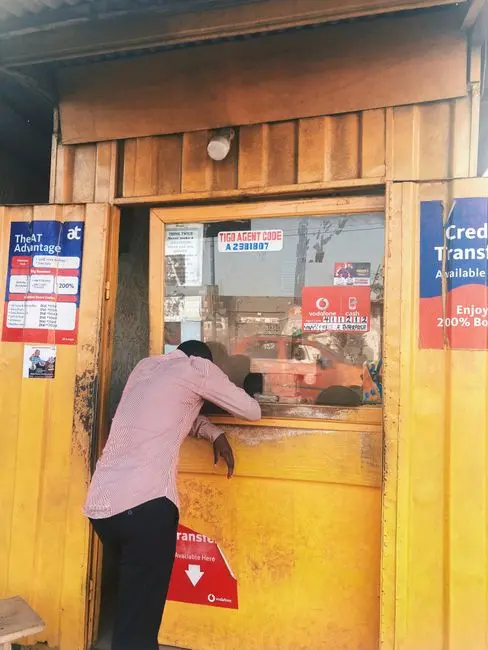
| Mobile money point (Orange Money, Moov) | 100 000 – 250 000 | 1 to 3 weeks | 8 – 15 % |
| Crafts (bogolan, sculpture, leatherwork) | 50 000 – 200 000 | Variable (1 to 8 weeks) | 40 – 65 % |
| Street food or catering | 100 000 – 300 000 | Immediate | 30 – 45 % |
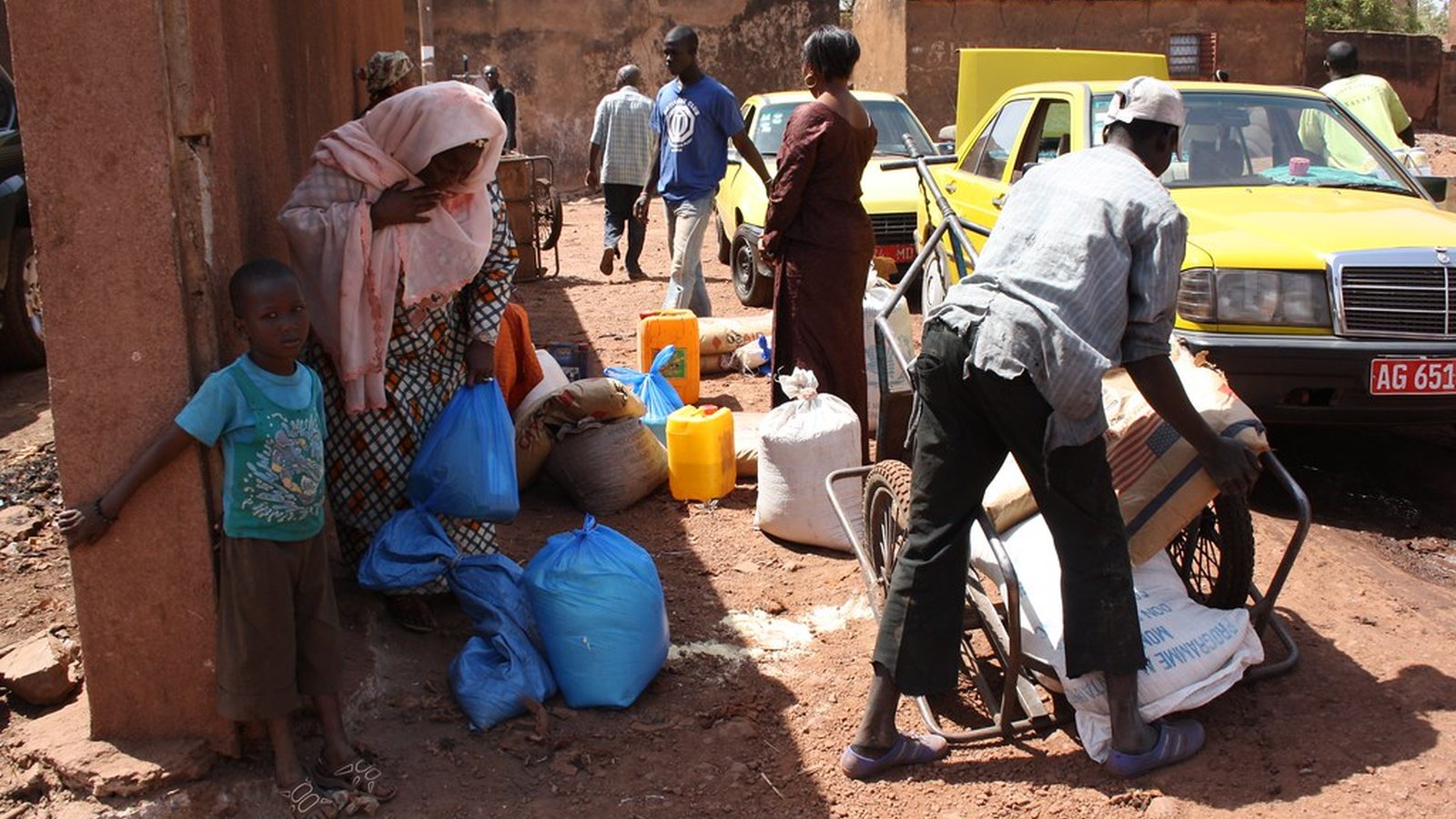
| Goods transport (wheelbarrow, cart, motorcycle) | 200 000 – 800 000 | From day one | 25 – 40 % |
Promising sectors in Mali in 2026
Despite the geopolitical difficulties of recent years, some sectors remain structurally promising in Mali.
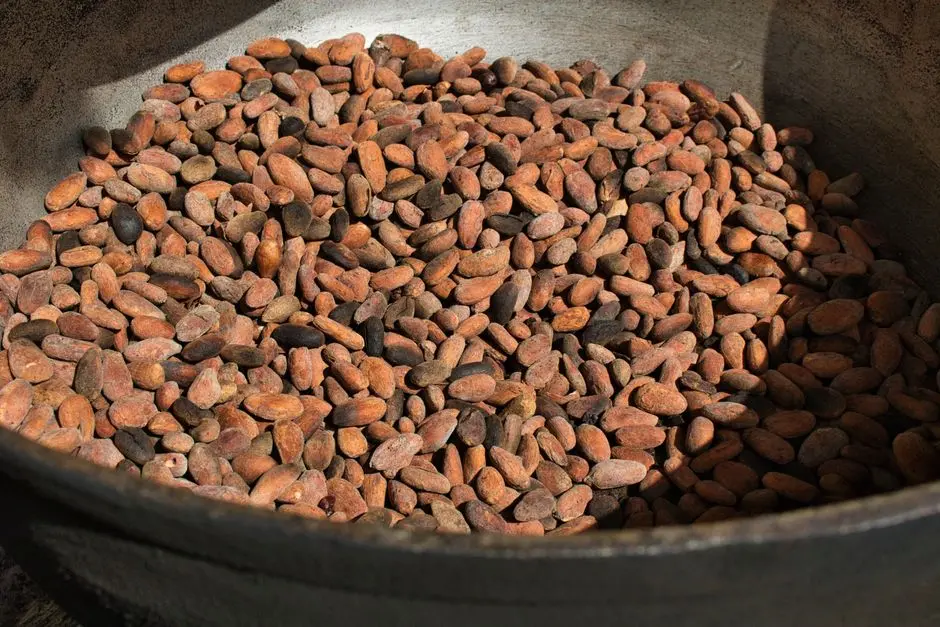
- Agriculture and agro-processing: Mali is one of the leading producers of cotton, millet and sorghum in West Africa. Local processing (oils, flours, preserves) remains very underdeveloped and represents a solid niche for entrepreneurs with some capital.
- Trade and commerce: Bamako is a hub for Mali, Burkina Faso and Guinea. Trading goods between these countries generates significant margins, but requires a good understanding of the supply chains.
- Digital services: despite still uneven connectivity, demand for IT services, social media management and website creation is rising sharply among Malian SMEs.
- Export crafts: bogolan, Malian leatherwork and sculpture are internationally recognized. Platforms like Etsy and diaspora fairs make it possible to sell directly to customers in Europe and North America.
Mistakes to avoid when launching a business in Mali
- Underestimating the seasonal factor: the dry and rainy seasons strongly impact agricultural supply chains and commercial flows. Anticipate cost peaks.
- Relying on a single sales channel: physical market selling remains dominant, but WhatsApp and Facebook word-of-mouth is becoming increasingly important for reaching the diaspora and urban customers.
- Neglecting professional associations: traders’ unions and economic interest groups offer access to credit, training and collective markets that isolated entrepreneurs cannot reach.
Business ideas in Mali according to your starting budget
Not all business ideas in Mali require the same capital. Knowing your real budget before choosing avoids false starts.
- Less than 100 000 FCFA: selling on WhatsApp or social media (second-hand clothing, packaged food products, accessories), home delivery in Bamako. Zero rent, immediate market test.
- Between 100 000 and 500 000 FCFA: reselling local food products, small-scale processing (local juices, packaged shea butter), service provision (hairdressing, phone repair).
- Above 500 000 FCFA: auto/motorcycle service workshop with visible location, small food shop in a dense neighborhood, semi-artisanal processing unit with identified outlets.
The principle remains the same at every level: validate demand before tying up capital. Unsold stock costs twice — at purchase and in locked-up cash flow.
Key sectors to watch in Mali right now
Mali’s economic landscape is evolving fast. Several sectors currently concentrate real and underserved demand:
- Agro-processing: locally processed and well-packaged products (cereals, dried fruits, oils) find buyers in Bamako, but also for export to the diaspora. The added value is significant if quality is consistent.
- Local solar energy: with difficulties in electricity supply, reselling or installing small solar kits (lights, chargers, mini-panels) represents a growing market, particularly in peri-urban and regional areas.
- Practical training and coaching: sewing, hairdressing, basic computing, management — short paid training courses are attracting more and more young people looking for a quick career change. The entry cost is low if you already have a skill.
- Last-mile logistics: urban delivery in Bamako remains poorly organized. A reliable service, even at a basic level (motorcycle + phone), can generate a regular income by working with shops or online sellers.
In each of these sectors, the key remains the same: find ten paying customers before investing in the structure.
FAQ – Profitable business in Mali
What business can you start with 200 000 FCFA in Mali?
With 200 000 FCFA in Bamako, the most accessible options are: opening a mobile money deposit/withdrawal point (working capital of 100 000 to 150 000 FCFA), starting a food reselling activity at the market, or offering small digital services (printing, data entry, social media management). Mobile money is the least risky start since demand is immediate and predictable.
Is crafts a good business in Mali?
Yes, especially if you target exports. Malian bogolan, leatherwork and sculptures find international buyers through platforms like Etsy, diaspora fairs or specialist European wholesalers. The margin can reach 60 to 70 % on export crafts, but payment times are long and international logistics are complex. For local resale, margins are lower but cash flow is more regular.
Can you start a business in Mali despite the political situation?
Yes, and many Malian entrepreneurs do so successfully. The political situation since 2020 has weakened some sectors (tourism, international partnerships), but the domestic market remains active. The sectors least exposed to sanctions and institutional disruptions — retail trade, services, agro-processing — continue to function normally. Caution recommends starting with low fixed-capital, high-liquidity activities.
Also read: profitable business in Senegal, in Cameroon, in Benin and in DRC — to compare opportunities across markets.
📌 Complete guide: Profitable business in Africa 2026: ideas by country
What is the most profitable business idea in Mali with little money?
With less than 200 000 FCFA, selling packaged food products, selected second-hand clothing or accessories via WhatsApp or Facebook remains one of the most accessible entry points. Fixed costs are almost zero, market testing is fast and losses in case of failure are limited. Real profitability comes from the regularity of orders and word-of-mouth, not from the initial volume.
How to test a business idea in Mali before fully committing?
The safest method: sell first, stock later. Offer your product or service to a limited circle (neighborhood, WhatsApp contacts, local market) for two to four weeks. Count the number of sales, the net margin after transport and the repurchase rate. If these indicators are positive, expand gradually. If demand does not materialize without intense effort, the idea deserves adjustment before any major investment.
To go further: Investing in Africa: country-by-country guide · Investing in real estate in Africa.