



A profitable business in Côte d’Ivoire is not chosen simply because an idea seems popular. You need to look at real purchasing power, transportation costs, payment timelines, stock access, and the ability to sell quickly without tying up too much cash.
The right starting point often involves testing small in Abidjan, measuring net margin, then expanding only once suppliers, customers, and collections are stable.
Profitable business ideas in Côte d’Ivoire: where to start
| Idea | Why it can work |
|---|---|
| WhatsApp sales and delivery | Abidjan allows you to test quickly without an expensive storefront |
| Quick-service food | attiéké, grilled food, juices, snacks: daily demand if the location is right |
| Services for small businesses | basic accounting, delivery, community management, printing |
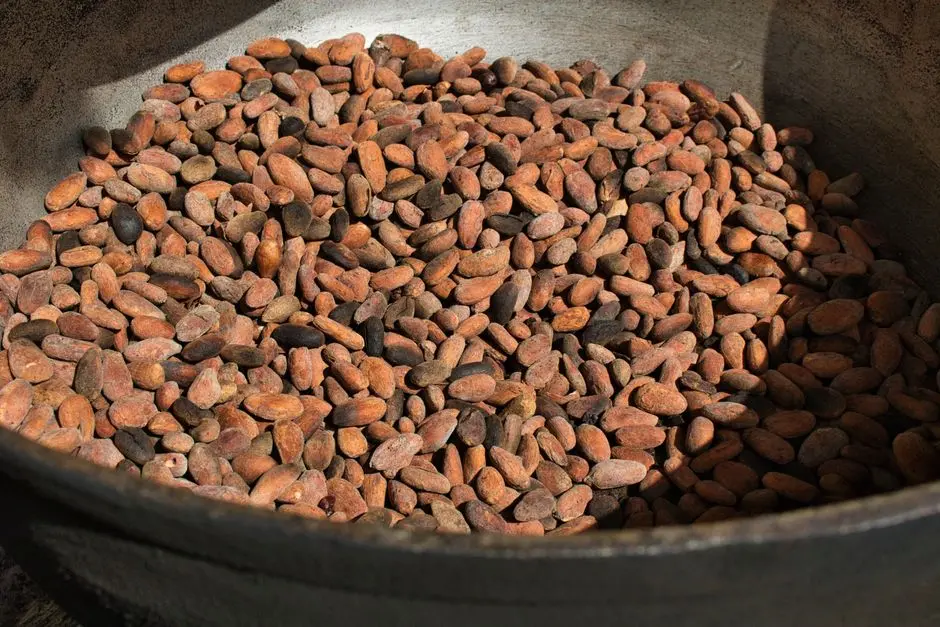
| Agro-processing | cacao, fruits, cassava, cashew nuts: potential if packaging is handled seriously |
| Parts and accessories trade | motorcycles, phones, small equipment with fast turnover |
The test to run before investing further
- Set a test budget in FCFA, separate from personal money.
- Sell for two to four weeks before renting a space.
- Calculate the margin after transport, losses, commissions, and unsold goods.
- Identify the main channel: WhatsApp, market, delivery, storefront, business client.
- Keep the activity simple as long as customer flow is not regular.
Risks to watch out for
- rent too high before having a stable customer base;
- poorly controlled credit sales;
- imported stock that ties up too much cash;
- margin confused with revenue.
To compare with other markets, see profitable business ideas in Africa and business with 200 000 FCFA in Côte d’Ivoire.
The real criterion: sell before setting up
In many projects in Côte d’Ivoire, the mistake is to start with the outward signs of a business: a premises, a sign, stock, sometimes even an employee. The market quickly penalizes this logic. In Abidjan, it is better to first prove that customers pay, come back, and recommend. The premises then becomes an accelerator, not an opening bet.
A serious test comes down to a few simple numbers: number of sales per week, net margin after transport, time spent selling, returned products, customers who buy again. If these figures are not known, the project is still an intuition, not a business.
Three realistic business scenarios in Côte d’Ivoire
| Scenario | What to verify before expanding |
|---|---|
| Specialized WhatsApp sales | a clear segment, clean photos, reliable delivery |
| Quick-service food | high foot traffic, morning purchasing, margin calculated per portion |
| Service for SMEs | monthly subscription rather than one-off assignments |
What often makes the difference
In Côte d’Ivoire, the potential is strong, but Abidjan can be expensive. The question is not only about finding a good idea: you need to know whether the final price remains acceptable after rent, delivery, mobile money commissions, and competition.
- do not rent too large a space before having a steady order flow;
- build a simple and memorable offer;
- measure the real cost of delivery per area;
- create proof of trust: reviews, photos, follow-up after purchase.
The right size to start with
A sensible launch prioritizes speed over the appearance of scale. It is better to sell three well-understood products than an overly broad catalogue. It is better to deliver in two mastered neighborhoods than to promise national coverage. And it is better to lose a small test order than to tie up all your capital in slow-moving stock.
Profitability rarely comes from a magic idea. It comes from an operational detail that others overlook: a more reliable supplier, cleaner delivery, more serious packaging, a faster WhatsApp reply, an after-sales service that calls the customer back instead of disappearing.
📌 Complete guide: Profitable business in Africa 2026: ideas by country