


Oil in Africa in 2026: Producing Countries, Issues and Impacts
Oil exploitation in Africa remains a central subject both for the continent’s economy and for environmental and geopolitical debates. Several African countries, such as Nigeria, Angola, South Sudan or Gabon, depend heavily on oil revenues to finance their development. This resource, while representing an economic driver, raises questions about sustainability, governance and social and ecological consequences.
Oil Exploitation in Africa: Quick Answer
Oil exploitation in Africa concerns public revenues, employment, environmental risks and the energy transition. Producing countries must transform resource income into infrastructure, training and economic diversification.
For a country-by-country ranking, see oil-producing countries in Africa.
Top 20 Oil-Producing Countries in Africa in 2026
The main oil-producing countries in Africa include Nigeria, Angola, Algeria, Libya, Egypt, Congo, Gabon, Ghana and Uganda. In 2026, the question is no longer just about producing more, but about better distributing revenues, limiting environmental impacts and preparing for the energy transition.
In 2026, Africa is experiencing significant changes in its oil sector. The global energy transition, pressures to reduce carbon emissions and fluctuating international prices are pushing producing countries to rethink their strategies. It is becoming essential to analyze both the economic benefits and the environmental and social impacts linked to this exploitation.
A Major Economic Driver for Many African Countries
Oil constitutes an important source of revenue for several African economies. Oil revenues finance infrastructure, education, healthcare and other essential public services. In some countries such as Nigeria or Angola, the oil sector accounts for more than 30% of GDP and a significant share of national exports.
These revenues have enabled the development of cities, the creation of jobs and investment in industrial projects. However, dependence on this resource exposes these countries to fluctuations in world prices and makes their economies vulnerable to oil crises and changes in international energy policy.
Environmental and Climate Issues
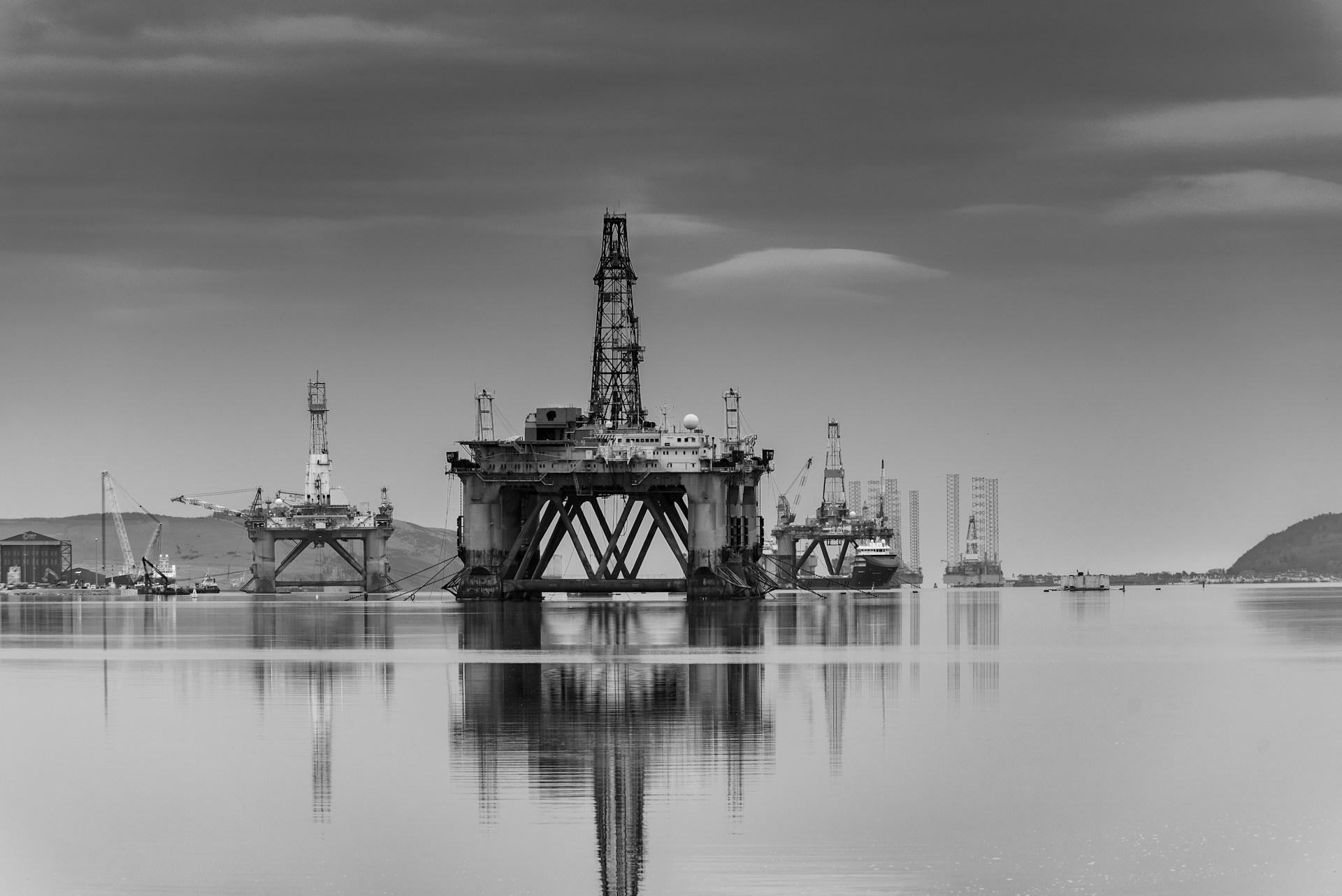
Oil exploitation in Africa causes major environmental impacts. Oil spills, deforestation for infrastructure and soil and water pollution represent threats to local ecosystems. Areas such as the Niger Delta are particularly affected, with consequences for fishing, agriculture and the health of populations.
Furthermore, international pressure to reduce greenhouse gas emissions is forcing African producers to consider more sustainable solutions. The implementation of less polluting technologies, compliance with environmental standards and investment in renewable energies are becoming key issues in reconciling economic development with environmental protection.
Governance and Transparency Issues
The management of oil resources in Africa also poses governance challenges. Corruption, conflicts over resource control and poor distribution of revenues can hinder local development. In several countries, the benefits of oil do not always reach local populations, leading to social tensions and protest movements.
Initiatives such as the Extractive Industries Transparency Initiative (EITI) seek to improve transparency and ensure that oil revenues are used for national development. The implementation of stricter regulations and independent oversight is becoming essential to strengthen the trust of citizens and investors.
The Social Impact on Local Communities
Oil activities have direct effects on local communities. Populations living near exploitation zones may benefit from jobs, but they also suffer from nuisances such as pollution, noise and degradation of agricultural land. Access to drinking water and natural resources is sometimes compromised as a result.
Some companies implement social responsibility programs, funding schools, infrastructure and healthcare services for local communities. However, the effectiveness of these measures depends on their monitoring and on government involvement in the equitable redistribution of benefits.
Prospects and Energy Transition in Africa
The future of oil exploitation in Africa is strongly influenced by the global energy transition. As global demand shifts toward cleaner energies, African countries are seeking to diversify their economies and invest in renewable energies, such as solar or wind. This diversification would reduce dependence on oil while creating new sources of revenue and employment.
Some oil companies are also investing in carbon capture and storage technologies or in improving energy efficiency to limit their environmental impact. The combination of responsible exploitation, transparent governance and energy diversification could represent a sustainable balance for Africa in the decades to come.
On the Same Topic
Quick Answer
Opportunities related to oil in Africa are not limited to extraction: maintenance, security, logistics, environment and technical training also count.
To Go Further
FAQ Targeted at Google Search Console
What is the quick answer about oil in Africa?
This query points to a need for a direct answer: definition, ranking, country context or comparison. The article above provides the details; to go further, consult our files on GDP of African countries, the most developed countries in Africa and profitable businesses in Africa.
Why might this information change?
Economic data, appointments, sectoral rules and rankings change with official updates. It is therefore necessary to check the publication year and the source before citing a figure.
Also Read About African Resources
To complement this analysis, consult the ranking of oil-producing countries in Africa, the GDP of African countries and the richest countries in Africa. Oil weighs on economic power, but it is not sufficient to measure development.
The Main Oil-Producing Countries in Africa
Nigeria, Angola, Algeria, Libya, Egypt and Congo are among the producers to watch. Their actual weight varies according to reserves, effective production, exports, refineries and political stability.
The file oil-producing countries in Africa complements this analysis with a ranking and country data approach.