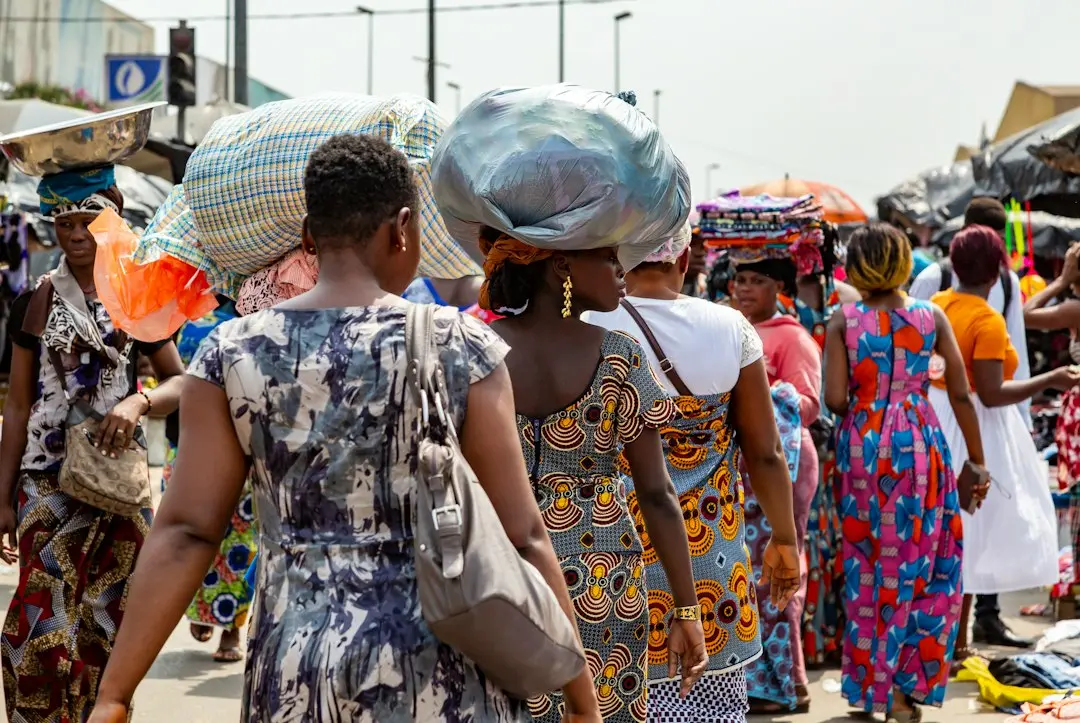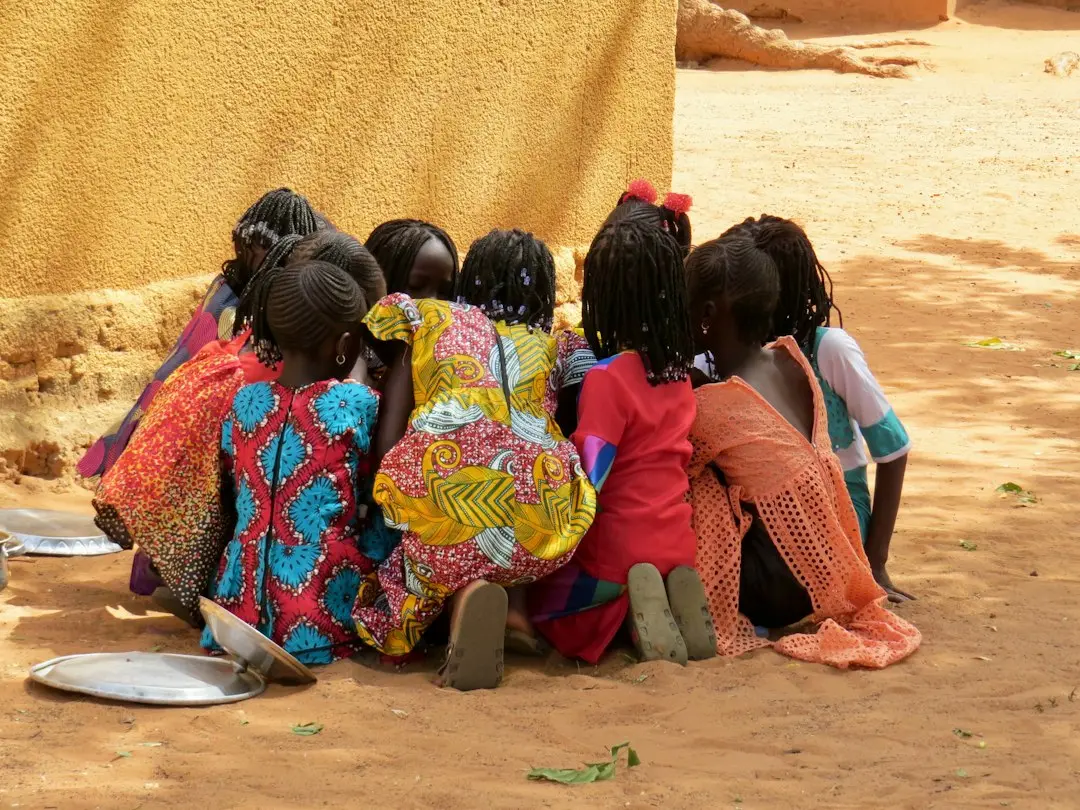




At dawn, a light mist still floats over the verdant hills of Lusaka. In the quiet of the morning, silhouettes are already stirring in the streets of the Zambian capital. Young people in uniform hurry toward schools, market women set up their vegetable stalls, and in the cafés, people speak softly… about politics, electricity, debt, and the future. For here, in Zambia, something is changing. And some say that this quiet country in southern Africa could well become the laboratory for a new social model.
A young country at a turning point
With a population of which more than 60% is under 25, Zambia is one of the youngest countries on the continent. This youth, long kept away from decision-making, is beginning to make its voice heard. The 2021 elections were a revealing moment: Hakainde Hichilema, a businessman who became a figure of the opposition, was elected president with record participation among young voters.
“It was the first time I felt heard,” confides Mwansa, 22, a political science student. “We no longer just want to survive. We want to build something different.”
This desire for renewal is not limited to politics. It permeates the spheres of education, economics, and social relations. In universities, debates on the role of women, climate, and digital technology are multiplying. In neighborhoods, citizen collectives are organizing to improve access to water, electricity, and the Internet.
The green economy as an engine of hope
Zambia is rich in copper. It is even the world’s eighth largest producer. But this dependence on raw materials has long hindered the diversification of its economy. Today, the country is attempting a bold shift: to become an African leader in the green economy.
Pilot solar farm projects have emerged in rural provinces. In Kitwe, a former mining basin, a start-up transforms plastic waste into building bricks. And in the Kafue national park, sustainable tourism initiatives generate revenue while preserving biodiversity.
“The ecological transition is an opportunity for us,” says Chisala Mumba, economist at the Centre for Inclusive Development Research. “We can create jobs, reduce our dependence on imports, and above all, build a more resilient economy.”
The government says it wants to reach 40% renewable energy in its energy mix by 2030. An ambitious target, but one that attracts investors. In 2023, Zambia attracted more than 1.2 billion dollars in clean energy investments, a national record.
A civil society in full ferment
Long stifled under authoritarian regimes, Zambian civil society is experiencing a resurgence of energy. Local NGOs, artists, independent journalists, and environmental activists are joining forces to put pressure on authorities and propose solutions.
In Lusaka, the collective “Voices of the Ground” organizes public forums in working-class neighborhoods. In Livingstone, young women lead workshops on reproductive rights. And on social media, viral campaigns denounce corruption or police violence.
“This is not a violent revolution,” explains Thabo Zulu, sociologist. “It is a slow but profound transformation. Citizens are becoming aware of their power. They want to participate, not just endure.”
Freedom of expression, though still fragile, is progressing. In 2022, Zambia gained 24 places in the global press freedom ranking established by Reporters Without Borders. A sign that things are shifting.
An education system in search of transformation
But for this dynamic to take lasting root, education remains the key. Yet the Zambian education system is stretched to the limit. Overcrowded classrooms, lack of textbooks, poorly trained teachers: the challenges are enormous.
The government launched a sweeping reform plan in 2021, with the aim of digitizing education and placing emphasis on practical skills. Tablets have been distributed in some rural schools, and modules on entrepreneurship, the environment, and citizenship have been introduced into curricula.
“We want to prepare young people to think, not just to recite,” says Grace Banda, principal of a pilot school in Ndola. “They must be able to innovate, debate, and adapt.”
Results are still uneven, but some signals are encouraging: the literacy rate among young people now reaches 91%, and the number of girls enrolled in secondary school has doubled in ten years.
Underlying social tensions
Despite this momentum, Zambia remains crossed by deep tensions. Inequalities between cities and rural areas, rich and poor, men and women, remain pronounced. The poverty rate still exceeds 54%, and access to healthcare remains unequal.
External debt weighs heavily: 14 billion dollars, part of which is owed on Chinese loans. In 2020, the country was the first in Africa to default on its debt since the COVID-19 pandemic. Since then, negotiations with the IMF and creditors have been tense.
“There is a risk of disillusionment if promises do not materialize quickly,” warns Joseph Mwila, political analyst. “Expectations are immense, and citizens’ patience has limits.”
Sporadic protests have taken place in recent months, particularly against rising electricity and fuel prices. The government calls for dialogue, but the streets remain watchful.
A mirror for Africa?
What is playing out in Zambia extends beyond its borders. For the questions stirring this country — youth in search of meaning, ecological transition, participatory democracy — resonate in many African capitals.
“Zambia is not a model, but a laboratory,” summarizes Kenyan political scientist Amina Oloo. “It tests ideas, takes risks, explores paths that are still rarely taken.”
On a continent often torn between tradition and modernity, between growth and sustainability, Zambia’s trajectory intrigues. Can it succeed where others have failed? Can it inspire a new way of thinking about society?
In Lusaka, Ndola, or Chipata, the future is no longer whispered: it is debated, written, built. And what if, amid the turmoil of its contradictions, Zambia were sketching the contours of a bolder African future?
To explore further on society in Africa
This topic gains value when linked to economic indicators, capitals, professions, and business opportunities on the continent.