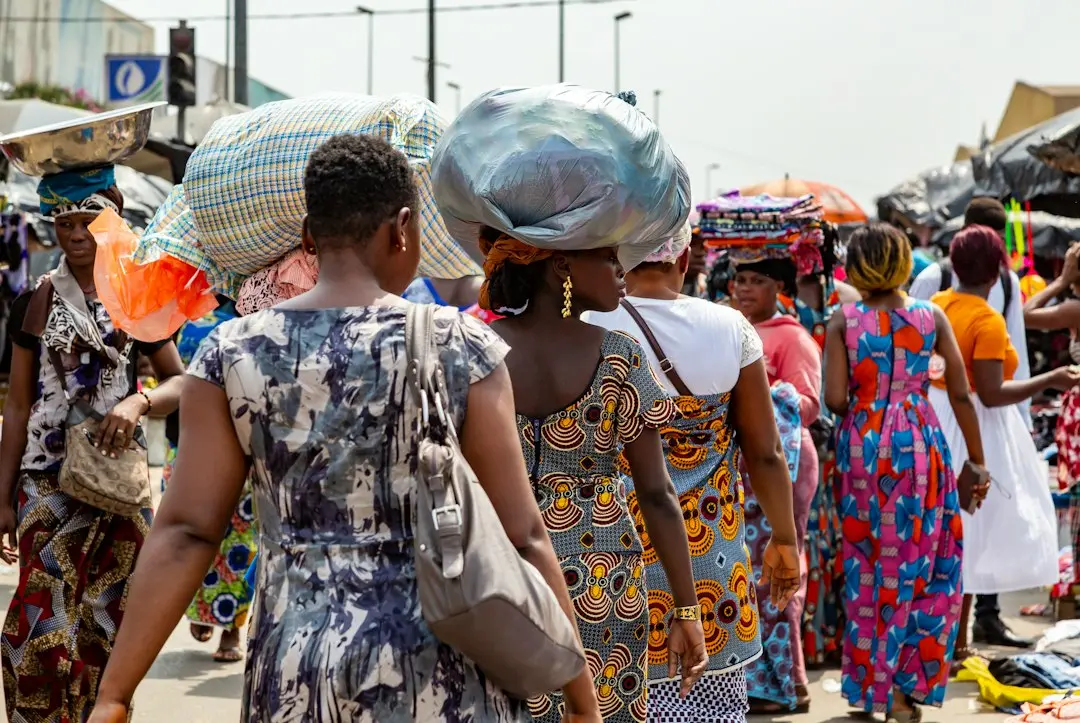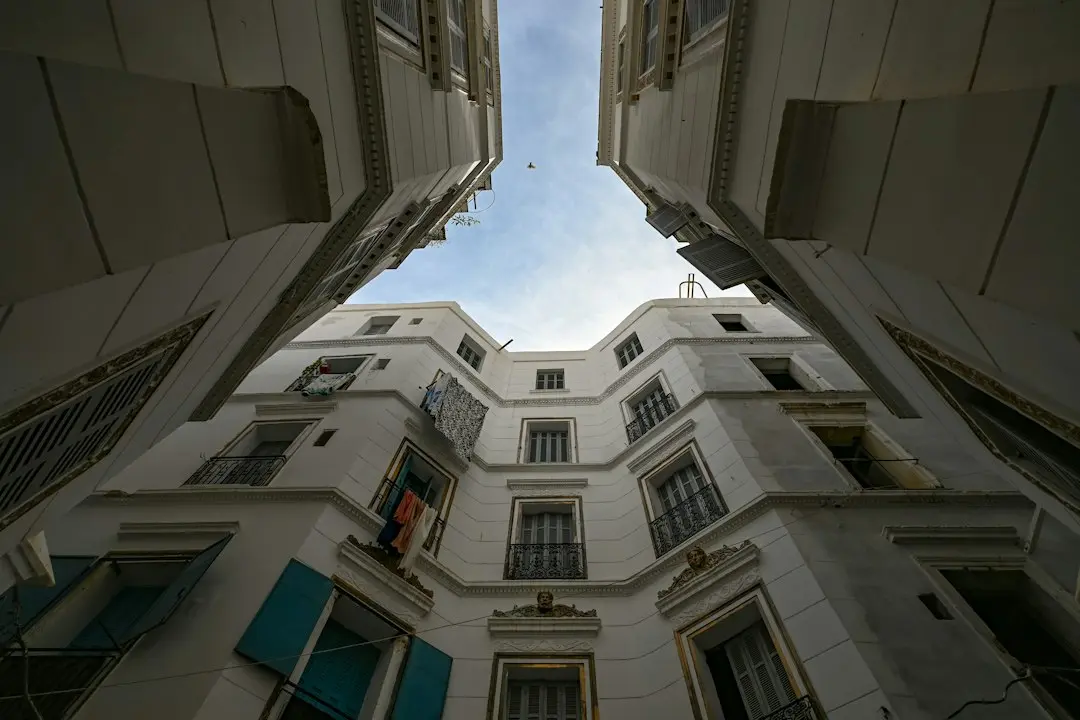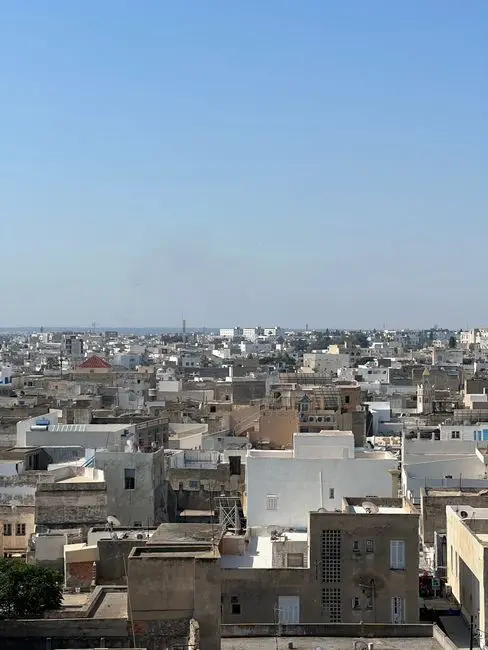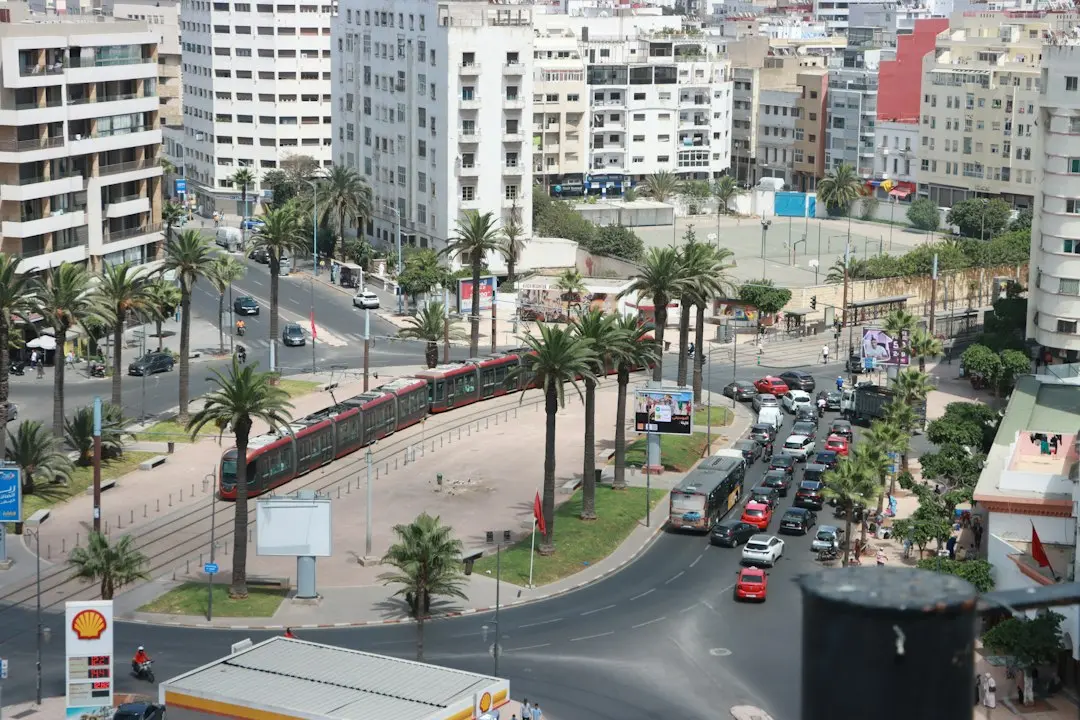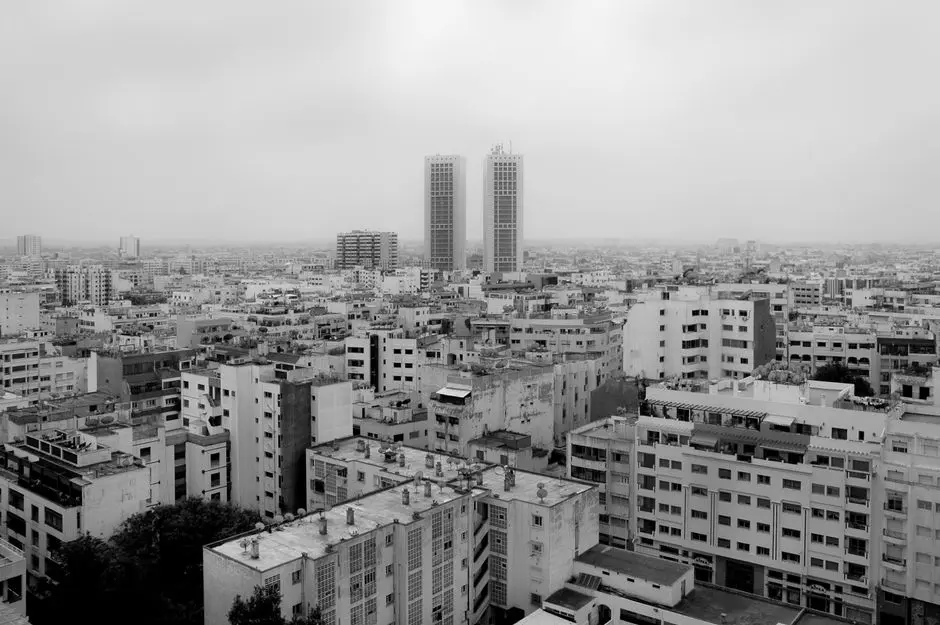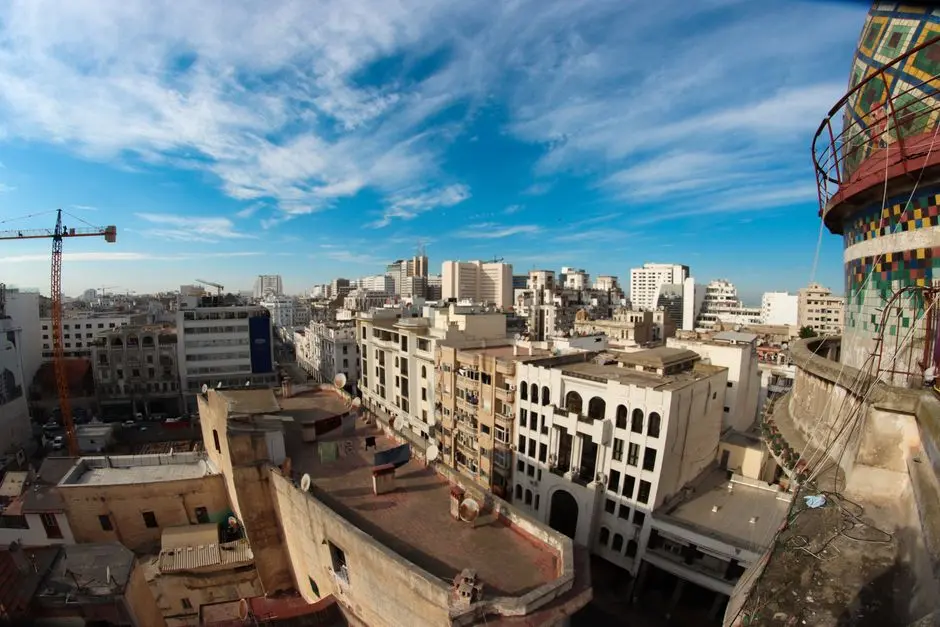




In the bustling alleyways of Casablanca, amid impatient honking and the scent of fresh mint, another sound is beginning to make itself heard. The sound of keyboards, ideas sparking, and ambitions awakening. Morocco is no longer just the crossroads between Europe and Africa. It is becoming an economic laboratory, a fertile ground where a new generation of entrepreneurs and innovative projects is taking root.
A quiet but decisive turning point
For several years now, Morocco’s economic indicators have been showing a silent transformation. The country, long dependent on traditional sectors such as agriculture and textiles, is beginning a transition toward a more diversified, more digital, and greener economy.
According to the High Commission for Planning, the tertiary sector now accounts for more than 55% of national GDP. But beyond the figures, it is the local dynamics that intrigue. In Rabat, Marrakech, and Agadir, incubators are springing up like oases in the desert. Moroccan start-ups are raising funds, expanding abroad, and innovating.
“Ten years ago, no one believed you could build a tech company here. Today, investors are starting to fight to get a stake,” says Yassine El Mahdi, founder of the mobile payment platform YallaPay. At 32, he is part of a generation that no longer wants to wait for change to come from above.
Casablanca, the new innovation hub
Casablanca, the economic capital, is transforming. In the Sidi Maârouf district, glass towers now house R&D centers, co-working spaces, and branches of multinationals. The Technopark, opened in 2001, has seen more than 1,200 companies born within its walls, some of which are now present throughout French-speaking Africa.
The city hosts the Africa IT Expo trade show every year, attracting thousands of visitors from across the continent. “Casablanca has become a gateway to the African market for European companies. And conversely, a springboard for African start-ups looking to go international,” explains Fatima Zahra Benomar, a digital innovation consultant.
This momentum is supported by ambitious public policies. The Plan Maroc Digital 2020, though criticized for its slow pace, laid the groundwork for digital transformation. Programs such as Intelaka, launched in 2020, have enabled more than 40,000 young people to fund their projects through low-interest loans.
A youth that refuses exile
For a long time, the dream of young Moroccans lay elsewhere — in France, Canada, or the Emirates. But that dream is fading. “Today, I prefer to build something here. The market is untapped, the needs are immense, and you can truly make an impact,” confides Salma, 27, an engineer and co-founder of an agritech start-up in Meknès.
According to a World Bank study, 70% of young Moroccans say they are ready to start a business, but only 8% take the leap. The main obstacle? Access to financing and fear of failure. Yet mindsets are evolving. Success stories like that of Chari.ma, a B2B platform that raised more than 5 million dollars in 2022, are inspiring an entire generation.
“People are starting to understand that entrepreneurship is not a plan B. It is a path to the future,” says Mehdi Kabbaj, a mentor at the LaFactory accelerator. He observes a growing number of social-impact projects, often led by women — a phenomenon that is still marginal, but clearly on the rise.
Sectors in full ferment
While digital technology attracts all the attention, other sectors are experiencing a genuine boom. The green economy, for example, is becoming a strategic priority. Morocco, a pioneer in renewable energy, is investing heavily in solar and wind power. The Noor power plant in Ouarzazate, one of the largest in the world, symbolizes this ambition.
Sustainable tourism, smart agriculture, logistics, and fintech are all areas in which the country is positioning itself as an emerging player. In 2023, Morocco attracted more than 3.6 billion dollars in foreign direct investment, up 13% compared to the previous year.
“You can feel that something is happening. It’s as if Morocco has woken up,” summarizes Sofia Tazi, an economist at Al Akhawayn University. She nonetheless highlights persistent challenges: heavy bureaucracy, corruption, and regional inequalities. “The potential is enormous, but this growth needs to be accompanied by structural reforms.”
An Africa looking northward
Morocco is no longer content to be a bridge between Europe and Africa. It wants to be a regional driver. Its African strategy, initiated more than ten years ago, is beginning to bear fruit. Moroccan banks, such as Attijariwafa Bank, are now present in more than 20 African countries. The kingdom’s companies are investing in telecoms, construction, and agri-food.
“Morocco is redefining its place on the African chessboard. It no longer wants to be a mere spectator, but a strategic player,” analyzes Idriss Azzouzi, a researcher at the Policy Center for the New South. This ambition also rests on active economic diplomacy, particularly with West Africa.
But this expansion also raises criticism. Some see it as a form of economic neocolonialism. Others, on the contrary, welcome a necessary South-South cooperation. In any case, the way Africa looks at Morocco is evolving. And vice versa.
Toward a more inclusive economy?
The question of inclusion remains central. For despite the progress, a large part of the population remains on the margins of this dynamic. Youth unemployment hovers around 30%, and nearly 80% of jobs are still informal.
Local initiatives are attempting to address this. In Fès, a free coding training program called “1337” welcomes young people without diplomas. In Tanger, women’s cooperatives are turning argan oil into exportable products. “It is these micro-initiatives that are changing the game, slowly but surely,” says Leïla Benslimane, a sociologist involved in the social and solidarity economy.
The challenge is immense: creating an economic model that excludes no one, that gives value to forgotten territories, that integrates women, young people, and rural communities. A utopia? Perhaps. But in Morocco, utopia often begins with an idea, a garage, a dream.
What if the economic future of Africa were also being shaped in the alleyways of Casablanca, the workshops of Marrakech, or the plains of the Atlas?