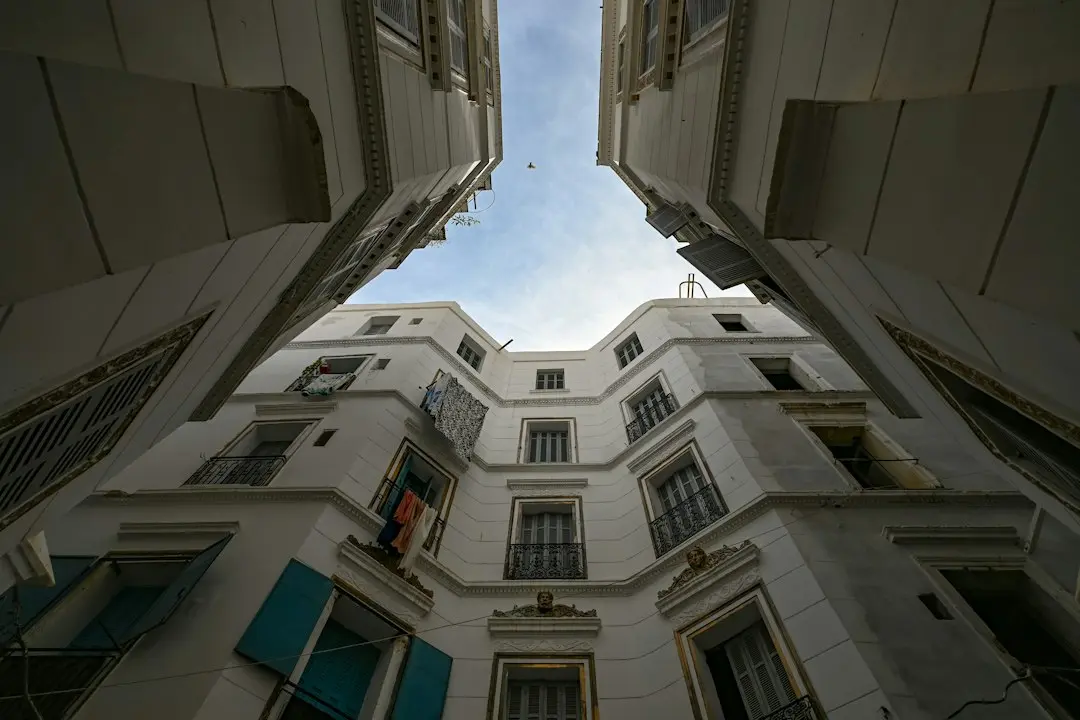
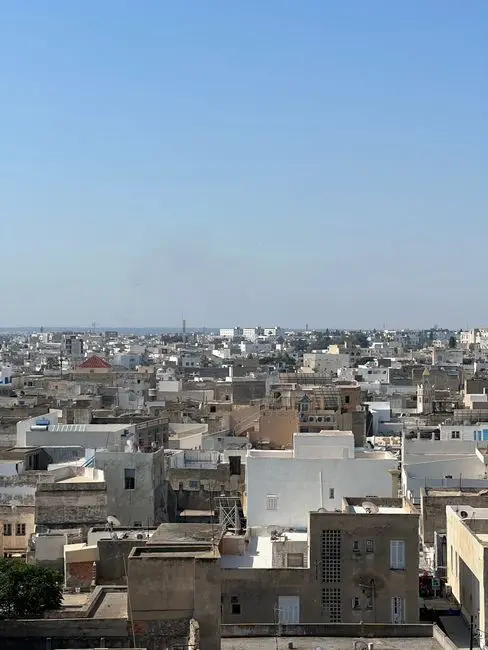
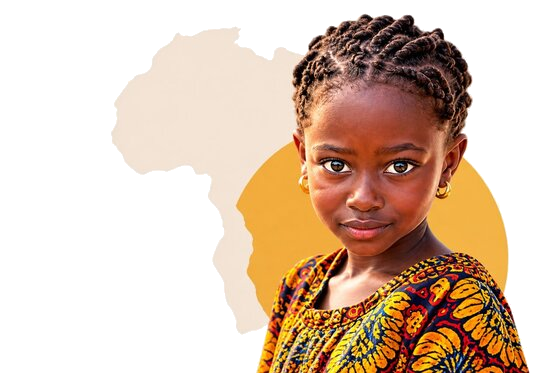
The warm desert wind blows over Tunis, carrying with it the whispers of a people in search of stability. In the bustling alleyways of the Medina, conversations often revolve around the same concerns: work, freedom, dignity. Looking toward 2030, Tunisia finds itself at a crossroads. Behind sun-bleached facades, societal challenges are piling up, complex and intertwined. But can the country of jasmine still transform its fragilities into strength?
Youth unemployment undermining hope
“I’m 27, I have a master’s degree in economics, and I’ve been delivering pizzas for two years.” Yassine, originally from Sfax, encapsulates on his own the dead end in which thousands of young Tunisians find themselves. The youth unemployment rate exceeds 36% in some regions of the country, according to figures from the Institut National de la Statistique.This mass unemployment is not just an economic problem. It fuels frustration, political disengagement, and sometimes even exile. Between 2011 and 2021, more than 100,000 young Tunisians attempted to reach Europe, often at the risk of their lives.Graduates, in particular, feel abandoned. “We were promised that education was the key. But the lock is rusty,” says Amira, 24, an engineer who has been unemployed since leaving university.Faced with this crisis, responses are slow to come. Private investment remains tentative, held back by political instability and administrative burdens. And public policies struggle to target the real needs of the market.
An education system in search of meaning
Every morning, nearly two million pupils make their way to Tunisian schools. But what are they really being taught? The education system, long considered a pillar of national development, is today showing its limits.According to a World Bank study, more than 60% of Tunisian pupils aged 10 do not master basic reading skills. Regional inequalities are glaring: in some rural areas, the absence of qualified teachers and decent infrastructure seriously undermines learning.“My son has to walk 5 kilometres to get to school, and often there is no teacher,” laments Leïla, a mother in the governorate of Kasserine.Beyond access, the content also raises questions. Teaching remains highly theoretical, disconnected from economic and social realities. Reform attempts have run up against multiple forms of resistance, from trade unions, parents and religious authorities alike.
Deepening social inequalities
The 2011 revolution carried a simple slogan: “work, freedom, dignity.” But more than a decade later, dignity remains a luxury for many. The gaps between the coastal regions and the interior of the country have continued to widen.In Tunis, trendy cafés overflow with connected young people. In Gafsa, some villages still do not have running water. In 2023, the poverty rate reached 30% in the centre-west, compared to 12% in the capital.“They have forgotten us. You never see a minister here,” says Mohamed, an agricultural worker from Siliana. These disparities fuel a deep sense of injustice, which weakens the social fabric.Women, too, remain particularly exposed. Despite legal advances, their participation rate stagnates at around 25%. In some regions, patriarchy continues to dictate daily life.
A crisis of confidence in institutions
Since the fall of Ben Ali, Tunisia has had ten different governments. Each reshuffle revives hopes, but also disappointments. Today, distrust of institutions has reached new heights.A poll by the International Republican Institute reveals that 78% of Tunisians believe their country is heading in the wrong direction. Parliament, suspended and then dissolved in 2021, has never regained its legitimacy in the eyes of many citizens.“We vote, and nothing changes. It’s always the same people who benefit,” sighs Sana, a teacher in Monastir. This crisis of confidence fuels abstention and encourages populist rhetoric.The judiciary, too, is perceived as slow and politicised. Corruption cases pile up without resolution. And the media, though pluralistic, are sometimes accused of bias or sensationalism.
An economic model running out of steam
Tunisia produces, but does not process. It exports raw materials, imports finished goods, and watches its trade balance deteriorate year after year. The dinar has lost more than 40% of its value in ten years.Tourism, long an engine of the economy, was badly hit by the 2015 attacks, then by the pandemic. Agriculture is suffering from climate change, and industry is struggling to modernise.“We need a real economic direction, not patchwork solutions,” says Hichem, an entrepreneur in the textile sector. Yet structural reforms are being postponed, for fear of social unrest.The country also depends heavily on external financing. In 2023, public debt reached 85% of GDP. Negotiations with the IMF are tense, and aid is often conditional on unpopular measures.
A youth in search of identity
Beyond the figures, it is a more intimate question that runs through Tunisia: who are we? Since the revolution, traditional reference points have wavered. Religion, modernity, the Arab-Muslim heritage, Western influence… everything seems to be in tension.“We are torn between the past and the future, between Europe and Africa, between tradition and freedom,” says Faten, a sociology student in Tunis.This quest for identity manifests itself in culture, social media, fashion, and music. Tunisian rap, for example, is exploding. It speaks of anger, love, survival. It is the mirror of a generation that refuses silence.But this creative energy is also fragile. Without concrete prospects, it can tip into withdrawal or radicalisation. The challenge is therefore also a cultural one: to offer young people a shared narrative, a horizon, a sense of purpose.Tunisia has always been a crossroads. Between the sea and the desert, between Europe and Africa, between Islam and modernity. Can it still invent a model that resembles itself?