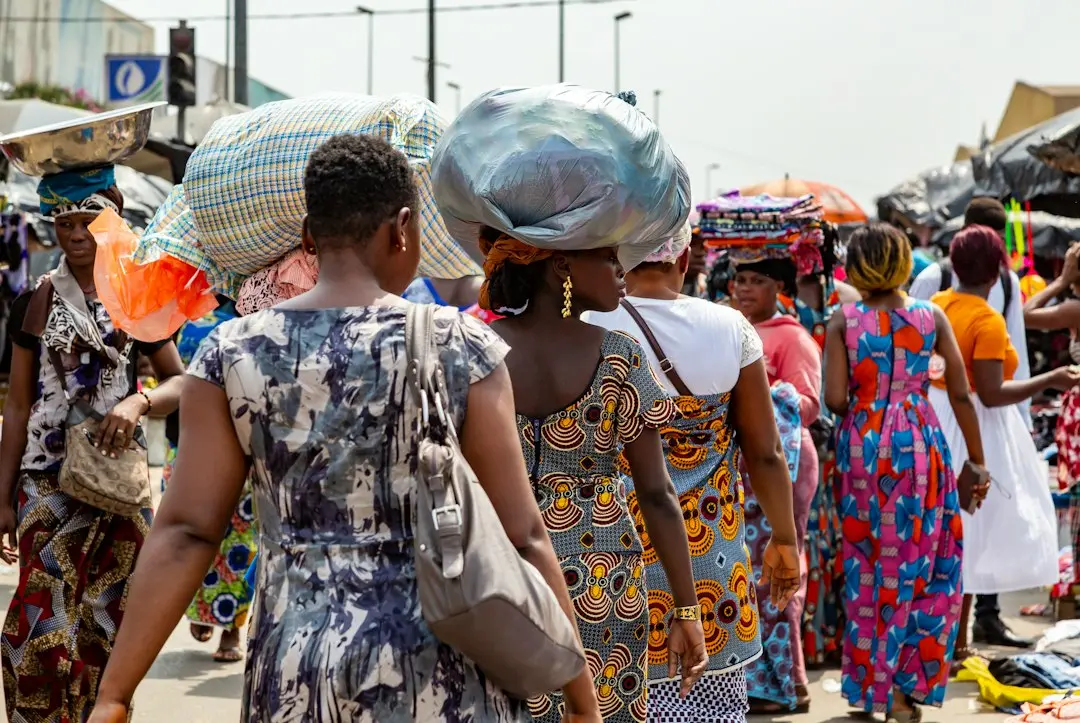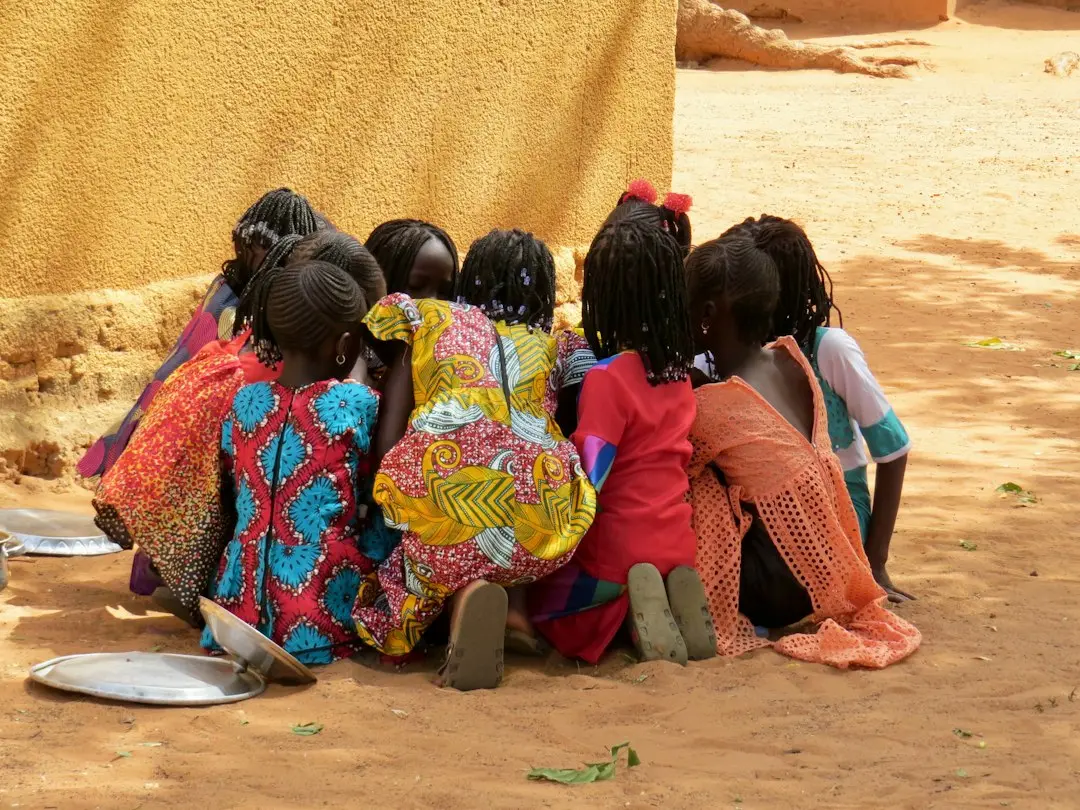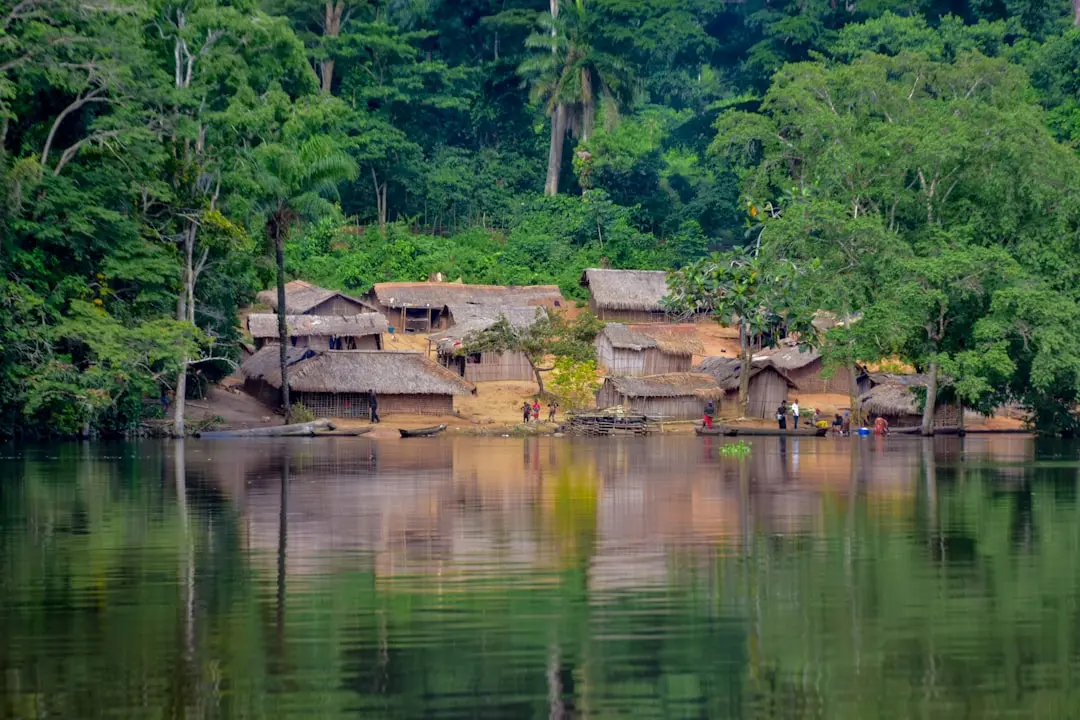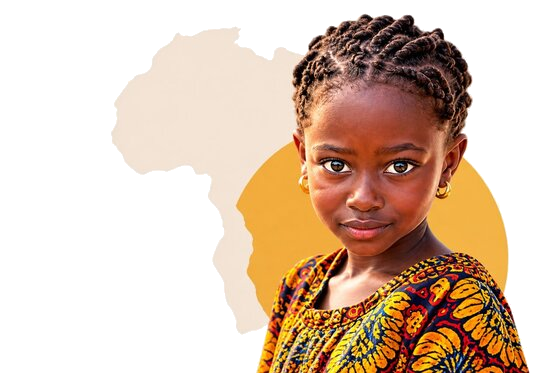




In a bustling alley in Kinshasa, drums resonate late into the night. Children dance, elders tell stories, and artists carve wood as their ancestors have done for centuries. But behind this cultural effervescence, the Democratic Republic of Congo faces a race against time. By 2030, the country will have to confront several challenges to preserve, promote, and pass on its immense cultural heritage.
A cultural wealth threatened by oblivion
With more than 250 ethnic groups, the DRC is one of the most culturally diverse countries in Africa. Each community has its own languages, rituals, music, dances, and know-how. Yet this richness risks being diluted.
“Our children no longer speak tetela, they don’t know the songs of our ancestors,” confides Maman Clarisse, a storyteller from Lodja. “They prefer French or even English, because of TV series and social media.”
The phenomenon of cultural uniformity, amplified by globalization and rapid urbanization, is endangering oral traditions and local languages. According to UNESCO, nearly 40 Congolese languages are currently at risk of extinction.
Without a strong linguistic policy and adapted educational programs, part of Congolese identity could disappear in silence.
Cultural infrastructure in ruins
The city theater of Kisangani has been closed since 2003. In Lubumbashi, the national museum struggles to maintain its collections due to lack of resources. Throughout the country, cultural venues are either dilapidated or nonexistent.
“We have talented artists, but no space to exhibit their works or perform their plays,” laments Jean-Marc Ilunga, director of an arts school in Goma. “How can you develop a cultural industry without infrastructure?”
The lack of public investment in culture is glaring. In 2022, the budget allocated to the Ministry of Culture represented less than 0.5% of the national budget. By comparison, Senegal devotes nearly 2%.
Yet culture could become a major economic driver if it were structured and supported by modern infrastructure.
The flight of cultural treasures
In European museums, hundreds of Congolese art objects lie dormant in climate-controlled display cases. Luba sculptures, Songye masks, Kongo fetishes… These pieces, often acquired during colonization, are at the heart of a global debate on the restitution of heritage.
“It’s not just a question of objects, it’s a question of memory and dignity,” asserts Aimée Ngoma, a researcher at the University of Kinshasa. “How can we pass on our history if it is kept 7,000 kilometers away?”
The restitution of these works is a complex struggle, combining diplomacy, legislation, and logistics. But by 2030, the DRC will need to strengthen its conservation capacity in order to welcome these treasures under proper conditions.
The new National Museum of the DRC, inaugurated in 2019 in Kinshasa, is a first step. But it remains isolated in a country as vast as Western Europe.
A youth in search of identity
In the working-class neighborhoods of Bukavu or Matadi, young people express themselves through slam poetry, rap, or urban dance. They blend lingala, French, English, and local languages in hybrid, modern, and politically engaged creations.
“I talk about my neighborhood, my grandmother, the war, love… It’s my culture, even if it doesn’t look like my parents’,” explains Junior Mavambu, 22, an urban artist in Mbandaka.
This youth does not reject tradition, it reinvents it. But it often lacks training, recognition, and support to make its voice heard.
Arts schools are rare, festivals poorly funded, and professional opportunities limited. Yet this creative energy could become the driving force of a Congolese cultural renaissance, provided it is nurtured.
The digital world, a double-edged sword
With more than 20 million internet users in 2023, digital technology is transforming the way Congolese people access culture. YouTube, TikTok, Facebook… Artists distribute their work without going through traditional channels.
“Before, you had to go to Kinshasa to get noticed. Today, a video shot in Kikwit can travel the world in 24 hours,” rejoices Prisca Tumba, an independent producer.
But this digital revolution also has its downsides. The overconsumption of foreign content threatens local productions. Algorithms favor global trends at the expense of regional identities.
The DRC will therefore need to develop local platforms, train its creators in digital skills, and establish policies to support digital creation in order to avoid a new form of cultural colonization.
A state still too absent
Despite official speeches, culture remains the poor relation of public policy in the DRC. Heritage protection laws are rarely enforced, artists are seldom paid decently, and cultural institutions are critically lacking in resources.
“We talk about cultural sovereignty, but without the means, these are empty words,” says a senior official at the Ministry of Culture, speaking anonymously.
To meet the cultural challenges by 2030, the Congolese state will need to make culture a strategic priority. This requires substantial budgets, clear laws, partnerships with local communities and private stakeholders, but above all a long-term vision.
Culture is not a luxury; it is a pillar of national cohesion, education, the economy, and diplomacy. Without it, the country risks losing what makes it unique.
So, will the DRC be able to transform its cultural wealth into a strength for the future? Or will it allow the voices of its ancestors to fade away, little by little, in the noise of the modern world?