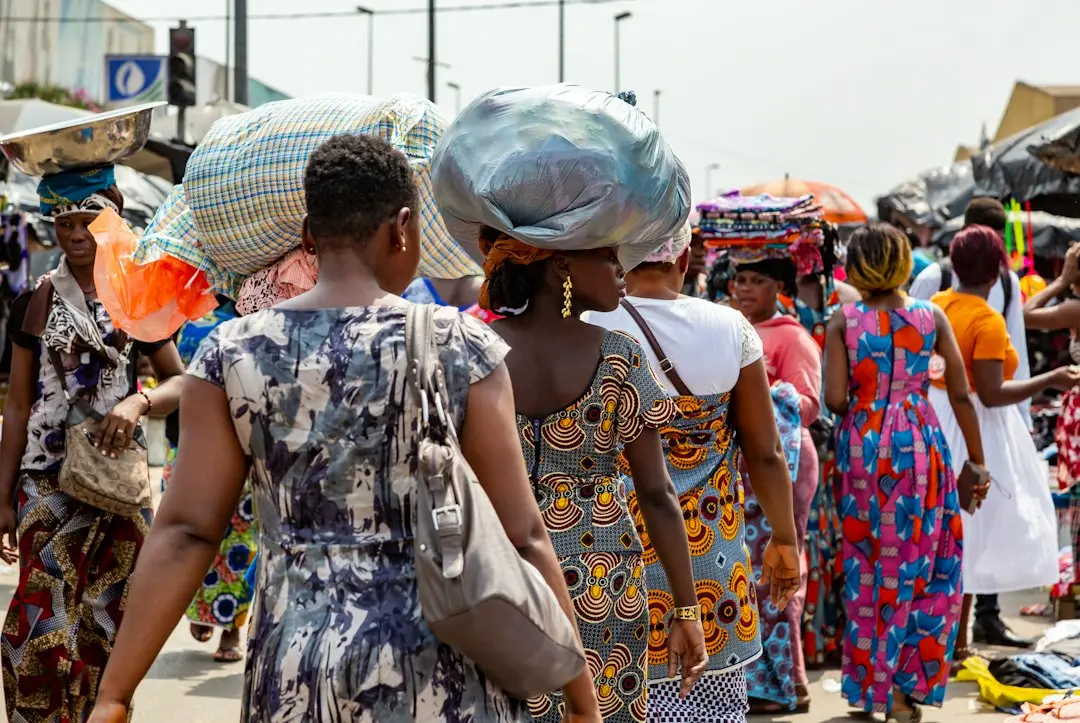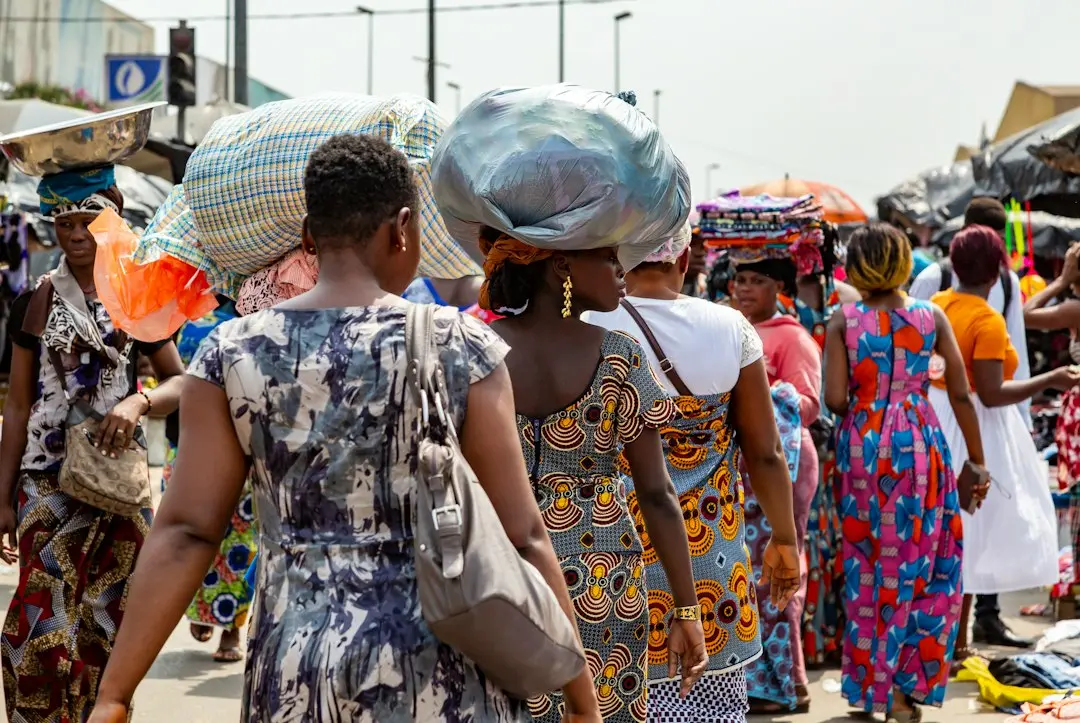


In the bustling streets of Addis-Abeba, amid the honking of minibuses and the laughter of street vendors, a silent revolution is underway. It carries no flag, makes no international headlines, but it could well redraw the economic map of Africa.
A quiet giant with bold ambitions
Long overshadowed by its more media-prominent neighbors, Ethiopia is transforming at remarkable speed. In less than two decades, its gross domestic product has quadrupled, rising from 8.2 billion dollars in 2000 to more than 96 billion in 2023, according to World Bank data.
The Afriques newsletter
- Free & no spam
- 1 email per day
- Unsubscribe in 1 click
“This country is an open-air economic laboratory,” says Daniel Tesfaye, an economist based in Nairobi. “Ethiopia is experimenting with a unique model, combining state intervention, massive infrastructure investment, and gradual openness to foreign capital.”
The Ethiopian government, long committed to a centralized model, has launched a series of bold reforms since 2018: partial privatization of major state-owned enterprises, opening of the banking sector to foreign competition, and modernization of the tax system.
But what intrigues analysts most is the speed at which these changes are taking place in a country still marked by poverty and internal conflict.
The rush toward industrial zones
An hour’s drive from the capital, in the Hawassa industrial zone, factories run day and night. Textiles, shoes, mechanical parts: dozens of companies from China, India, and Turkey have set up their production lines here, drawn by very low labor costs — averaging 35 dollars per month — and easier access to Western markets through the AGOA agreement with the United States.
“I left my farm to work here,” says Muluwork, 22, in a navy blue uniform. “It’s not easy, but I earn my own money and send help to my parents.”
The government has invested more than 1.5 billion dollars in the construction of modern industrial parks since 2015. The goal: to make Ethiopia a manufacturing hub for East Africa. And it is working. In 2022, the industrial sector accounted for 28% of GDP, compared to only 10% in 2005.
But this strategy is not without criticism. Trade unions denounce difficult working conditions, and some investors complain of a still-cumbersome bureaucracy and irregular access to electricity.
A bet on colossal infrastructure
It is impossible to discuss Ethiopia without mentioning the Grand Renaissance Dam, a pharaonic project worth 4.2 billion dollars on the Blue Nile. With a production capacity of 6,450 megawatts, it will become the largest hydroelectric power plant in Africa.
“This dam is our pride,” says Abebe, an engineer on the site. “It symbolizes our energy independence and our ability to dream big.”
Beyond electricity, the government has built more than 120,000 kilometers of roads in a decade, modernized railways, and launched a vast plan to digitize public services. These infrastructures are not only intended for domestic use: they aim to make Ethiopia a logistics hub between the Gulf, Central Africa, and Southern Africa.
But these massive investments come at a cost. Public debt has soared, reaching 57% of GDP in 2023, according to the IMF. And dependence on China, the main lender, is raising growing concerns.
A large and impatient youth
With more than 120 million inhabitants, 70% of whom are under 30, Ethiopia is a demographic time bomb. Every year, nearly two million young people enter the labor market. This is both an opportunity and a colossal challenge.
“We have degrees, but not always jobs,” admits Hana, 24, a computer science graduate. “Many of my friends want to go abroad.”
To address this pressure, the government is betting on digital entrepreneurship. In Addis-Abeba, incubators such as IceAddis and Orbit Innovation Hub support start-ups in the fields of fintech, agritech, and connected health.
In 2022, Ethiopian start-ups raised more than 40 million dollars, a record for the country. But access to financing remains limited, and frequent internet outages are holding back the sector’s growth.
Internal tensions holding back momentum
Despite these advances, Ethiopia remains fragile. The armed conflict in Tigré, which erupted in 2020, has killed thousands and displaced more than two million people. Ethnic tensions persist in several regions, threatening the country’s political stability.
“The economy cannot thrive without lasting peace,” stresses Meron Getachew, a political analyst in Addis-Abeba. “Investors are hesitant to commit as long as the security situation remains uncertain.”
Prime Minister Abiy Ahmed, Nobel Peace Prize laureate in 2019, has promised political reforms and greater decentralization. But the road toward inclusive and peaceful governance still appears long.
A place to claim on the African chessboard
On a continent in full transformation, Ethiopia has unique assets: a young population, a strategic geographical position, and a stated political will to modernize. It could become an economic engine for the entire Horn of Africa region.
But the path is strewn with obstacles. The balance between rapid growth, political stability, and social justice remains fragile.
“If Ethiopia succeeds, it will show that another development model is possible in Africa,” says Ghanaian analyst Kwame Mensah. “But if it fails, the consequences could be severe, well beyond its borders.”
So, is Africa’s economic future being shaped in the plains and mountains of Ethiopia? Or will this sleeping giant risk stumbling before reaching its full potential?