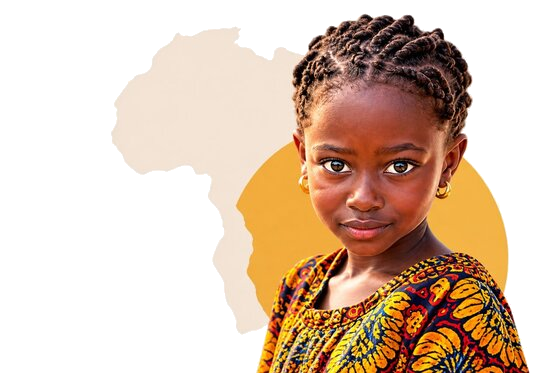




In the bustling alleyways of Dakar, a young man stares at his phone screen. He reads the latest news about a citizens’ movement gaining momentum. Around him, other faces, equally young, debate, organize, dream. Africa is changing, and it is its children who now hold the pen of History.
A connected and conscious generation
Never has African youth been so numerous. More than 60% of the continent’s population is under 25 years old. This demographic force, long perceived as a challenge, is today becoming a lever for political transformation.
“Before, we were told to wait our turn. Now, we create our own space,” says Fatou Ndiaye, 24, a political science student in Ouagadougou. She is part of a collective campaigning for electoral transparency in Burkina Faso.
Social media has upended the rules of the game. Facebook, Twitter, TikTok and WhatsApp have become tools for mobilization, denunciation, and also civic education. In Uganda, the hashtag #FreeBobiWine brought thousands of young people together around the singer-turned-political opponent. In Algeria, it was on Telegram that young Hirak members coordinated their peaceful marches.
According to a study by the African Centre for Statistics, more than 75% of young urban Africans use their smartphones to follow political news. A generation that is informed, critical, and ready to act.
Movements born in the streets
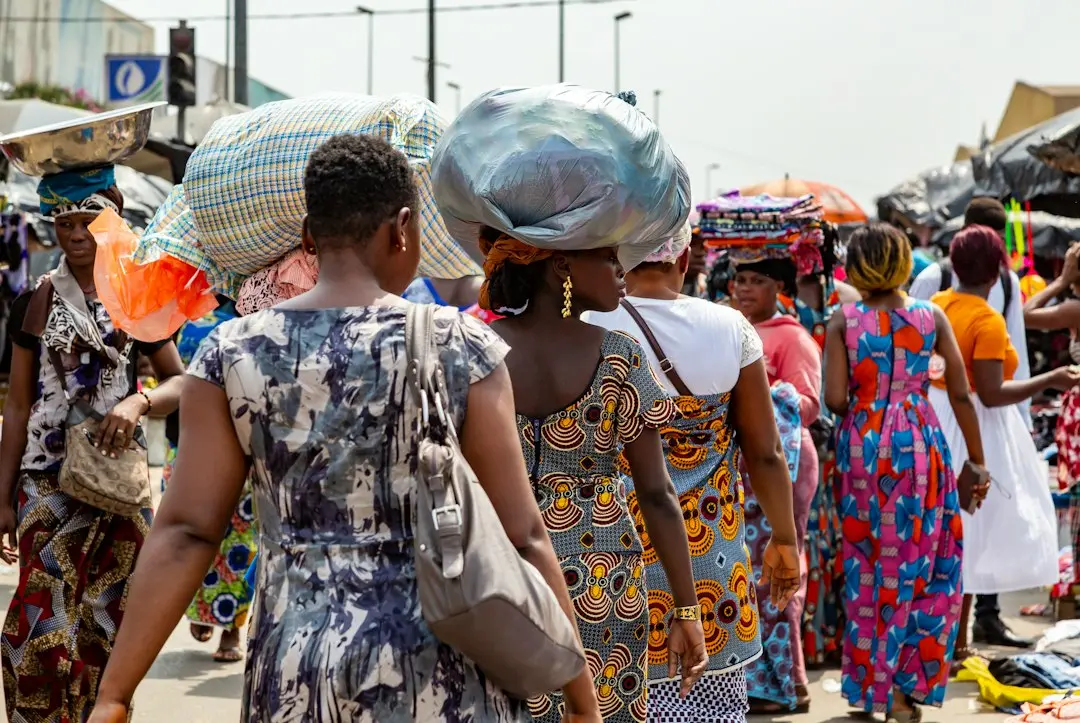
The streets of several African capitals have recently resonated with slogans carried by the youth. From Lagos to Kinshasa, from Tunis to Antananarivo, young people have taken to the streets en masse to demand reforms, denounce corruption, or call for an end to police abuses.
In Nigeria, the #EndSARS movement marked a turning point. Starting as a protest against a special police unit accused of violence, it transformed into a collective cry against systemic injustices. “We didn’t want to be afraid anymore. We just wanted to breathe,” says Chinedu, 22, one of the protest organizers in Abuja.
In Sudan, in 2019, it was students and young professionals who stood up to Omar al-Bashir’s regime. For weeks, they occupied public squares, sang, drew, debated. Their courage led to the fall of a power that had lasted three decades.
These movements, often spontaneous, rely on a horizontal organization, with no single leader, but with a shared vision: that of a fairer and freer future.
When music becomes a political weapon
In the streets, but also in studios, youth is making its voice heard. Hip-hop, reggae, afrobeat, and slam have become vehicles for political contestation.
“Our rhymes speak of what ballots keep silent,” says Bamba Sy, a committed Malian rapper. His latest album, Révolution silencieuse, has been listened to more than two million times on streaming platforms.
In Senegal, the Y’en a Marre collective, formed by rappers and journalists, played a key role during the 2012 elections. Their rallying cry: “change will not come from above.” Through their songs, they raised awareness among thousands of young people about the importance of voting and civic participation.
Music in Africa no longer simply makes people dance. It informs, mobilizes, and sometimes even disturbs. Some artists pay a heavy price: arrests, censorship, threats. But their impact is very real.
Bold candidacies
Youth is no longer content just to protest. It also wants to govern. In several countries, young candidates are entering the race for power, often against political figures entrenched for decades.
In Zambia, Hakainde Hichilema, elected president in 2021, benefited from massive support from young people. “He spoke our language, the language of employment, education, the future,” explains Luyando, 19, a student in Lusaka.
In Rwanda, Diane Rwigara, though disqualified from the 2017 presidential race, made an impression with her boldness. At just 35 years old, she dared to challenge Paul Kagame, a symbol of strong and centralized power.
These candidacies, often marginalized by traditional media, find a powerful echo on social networks. They embody renewal, a break with the past, and hope.
Still immense challenges
But enthusiasm is not always enough. African youth faces persistent obstacles: mass unemployment, repression, political manipulation, and lack of funding for its initiatives.
According to the African Development Bank, nearly 40% of young Africans are unemployed or underemployed. A frustration that can turn into anger… or resignation.
“We are listened to when we shout, but not when we propose,” laments Sarah, 26, a member of a citizens’ NGO in Kinshasa. She recounts how local authorities systematically ignore the recommendations of her group, which is nonetheless made up of young graduates.
Repression also remains a reality. Arbitrary arrests, internet shutdowns, restrictive laws: governments do not hesitate to silence this youth, which they find too unruly.
A future taking shape one step at a time
Despite everything, seeds have been sown. More and more young people are registering on electoral rolls, participating in public debates, creating budget monitoring apps or fact-checking platforms.
In Benin, a start-up run by young people has set up a chatbot that explains constitutional rights in local languages. In Côte d’Ivoire, youth collectives organize electoral simulations in high schools to introduce future citizens to civic life.
“This is not a flash revolution, but a slow and deep transformation,” analyzes Cameroonian political scientist Didier Mbassi. “African youth does not only want to change the faces of power. It wants to change the rules of the game.”
And what if that were precisely the true power of this generation? Not to overthrow, but to rebuild. Not to follow, but to chart a new course. Africa looks toward the future. And it is its young people who hold the compass.