
Sierra Leone has launched one of its most ambitious agricultural programmes to date. On 18 November 2026, the government unveiled the AgriConnect Compact in Freetown — a national framework backed by the World Bank Group and a coalition of development partners, with a headline financing target of $1 billion over 2026–2030, roughly $200 million a year.
The scale of the problem it is trying to solve
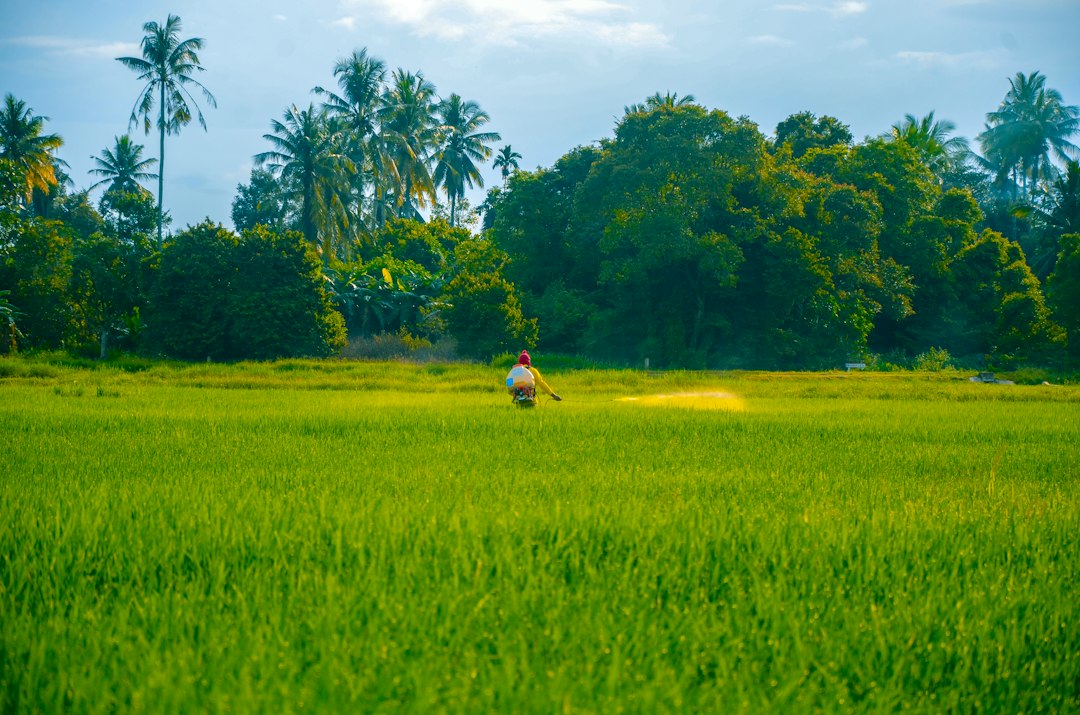
Agriculture already punches hard in Sierra Leone’s economy, contributing an estimated 25–30% of GDP and supporting the livelihoods of between half and two-thirds of the population. Yet the sector is chronically underdeveloped. Of the country’s 5.4 million hectares of arable land, only about 15% is under cultivation. Production is predominantly rain-fed and weakly integrated into domestic or regional markets — a structural vulnerability that keeps smallholder incomes low and food import bills high.
For context familiar to anglophone investors, this land-utilisation gap is not unique to Sierra Leone: Ethiopia, Tanzania and the Democratic Republic of Congo face comparable dynamics, but Sierra Leone’s combination of a small population (roughly 8.5 million), relatively compact geography and Atlantic coastline gives it a distinctive commercial case for agri-investment — if the enabling environment improves.
The Afriques newsletter
- Free & no spam
- 1 email per day
- Unsubscribe in 1 click
What the Compact commits to by 2030
| Target | Number |
|---|---|
| People with improved food and nutrition security | 1,000,000 |
| Farmers receiving productivity and market-access services | 1,000,000 |
| Jobs to be created | ~120,000 |
| Total financing required (2026–2030) | $1 billion (~$200 million/year) |
The Compact is led by Sierra Leone’s Ministry of Agriculture and Food Security (MAFS) and builds on the existing Feed Salone Strategy, the government’s prior food-security blueprint. Priority value chains named in the framework are rice, maize, cassava, cocoa, oil palm and poultry.
Who is putting up the money
According to the World Bank Group press release, financing is expected to come from four sources: the Sierra Leonean government itself, the World Bank Group (including the International Finance Corporation, its private-sector arm), development finance institutions — specifically the African Development Bank Group, the International Fund for Agricultural Development (IFAD) and the Islamic Development Bank — and the private sector. The release does not break down each contributor’s share, leaving the precise public-private split an open question.
The IFC’s involvement is a signal worth watching. Where IFC takes equity or debt positions, it typically catalyses commercial co-investment; its presence in a deal is often read by private investors as a form of de-risking. That said, the gap between announced blended-finance targets and actual capital deployed has been a persistent challenge across sub-Saharan agriculture programmes, and Sierra Leone’s track record of absorbing large agri-programmes at pace will be tested.
Why this matters beyond Freetown
For diaspora Leoneans in the UK and the US, the Compact’s market-linkage component — connecting smallholders to buyers — is the piece most likely to create viable commercial entry points, whether through agri-processing, logistics or input supply. For West Africa-focused investors, the cocoa and oil-palm value chains place Sierra Leone in direct conversation with established markets in Côte d’Ivoire, Ghana and Nigeria, while the country’s lower land-cost base could offer margin advantages if infrastructure improves.
For development-finance watchers, the Compact’s $200 million annual requirement is not trivial for a country whose total national budget runs in the low hundreds of millions of dollars. The government’s ability to mobilise its own share — and to coordinate the four financing pillars without delays — will determine whether the 2030 targets remain credible.
What to watch
The Compact’s ambitions are clearly stated; the implementation architecture is not yet public in detail. Key questions that remain open: How will the $1 billion be allocated across value chains and regions? What percentage is grants versus loans versus equity? How will the 120,000 jobs figure be tracked and verified? And critically, what policy or regulatory reforms — land tenure, input subsidies, export licensing — will accompany the financial commitments? Answers to those questions will separate a genuine structural shift from a well-branded pledge.
Source: World Bank Group press release, Freetown, 18 November 2026.