

Senegal’s CFA Franc and the Euro: What You Need to Know in 2026
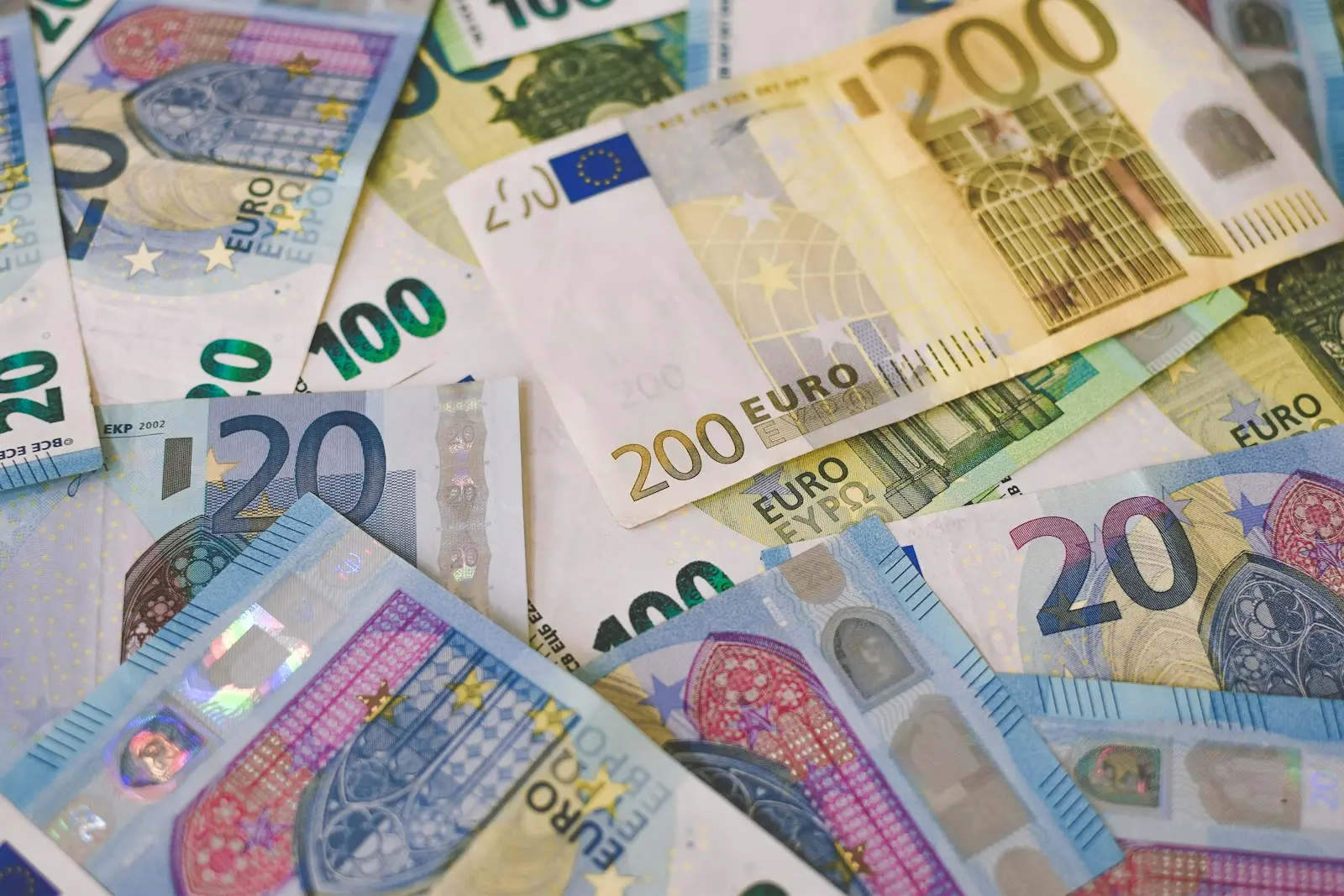
Senegal uses the CFA franc (XOF), anchored to the euro at a fixed parity of 1 EUR = 655.957 FCFA. This rate is not a market estimate. It is a legally guaranteed, institutionally maintained parity backed by the French Treasury. For anyone moving money between Dakar and the eurozone, the conversion math is stable — but the practical experience of exchanging cash or wiring funds is not always frictionless.
What is the currency of Senegal?
Senegal’s official currency is the West African CFA franc, ISO code XOF. It is issued by the Banque Centrale des États de l’West Africa (BCEAO), headquartered in Dakar. The BCEAO serves eight member states of the Union Économique et Monétaire Ouest-Africaine (UEMOA): Senegal, Côte d’Ivoire, Mali, Burkina Faso, Niger, Togo, Benin, and Guinea-Bissau.
The XOF is distinct from the Central African CFA franc (XAF), which circulates in the CEMAC zone. Both share the same fixed parity against the euro — 1 EUR = 655.957 FCFA — but they are not interchangeable in practice. Banks and exchange offices rarely accept XAF in Dakar.

The Afriques newsletter
- Free & no spam
- 1 email per day
- Unsubscribe in 1 click
Senegal does not control its monetary policy independently. The BCEAO manages a common monetary framework. Interest rate decisions and reserve requirements apply uniformly across all eight UEMOA states.
CFA franc to euro converter
The table below uses the official fixed parity of 655.957 XOF per euro, as maintained by the BCEAO and guaranteed by the French Treasury. Figures are exact at the stated parity. Bank fees, commission charges, and spreads applied by exchange offices are not included.
| CFA Franc (XOF) | Euro (EUR) |
|---|---|
| 100 FCFA | 0.15 EUR |
| 1,000 FCFA | 1.52 EUR |
| 5,000 FCFA | 7.62 EUR |
| 10,000 FCFA | 15.24 EUR |
| 50,000 FCFA | 76.22 EUR |
| 100,000 FCFA | 152.45 EUR |
Note: These figures reflect the fixed institutional parity. Rates applied at commercial banks or private exchange bureaus will differ due to commissions and spreads. Always request the full fee breakdown before any transaction.
Senegal’s CFA franc: a fixed rate since 1999
The CFA franc’s history with European currencies is long and contested. For decades, it was pegged to the French franc. On 12 January 1994, the parity was cut by 50% — from 50 FCFA to 100 FCFA per French franc. The devaluation was imposed under IMF and World Bank structural adjustment pressure. It triggered a sharp, immediate rise in the cost of imported goods across the UEMOA zone, hitting urban consumers hardest.
When France adopted the euro in January 1999, the CFA franc’s peg transferred automatically. The new rate — 1 EUR = 655.957 FCFA — was derived arithmetically from the franc-to-euro conversion. It has not changed since.
The fixed parity provides predictability for trade and remittances. Senegalese exporters and importers face no currency risk when dealing with eurozone partners. But critics argue the arrangement constrains monetary sovereignty. Senegal cannot devalue to boost export competitiveness, nor can the BCEAO use the exchange rate as a policy tool during economic shocks.
Debate over the CFA franc’s future has intensified since 2019, when the UEMOA announced plans to rename the currency the Eco. As of mid-2026, the transition has not been implemented. The fixed parity with the euro remains in force.
Changing euros in Senegal
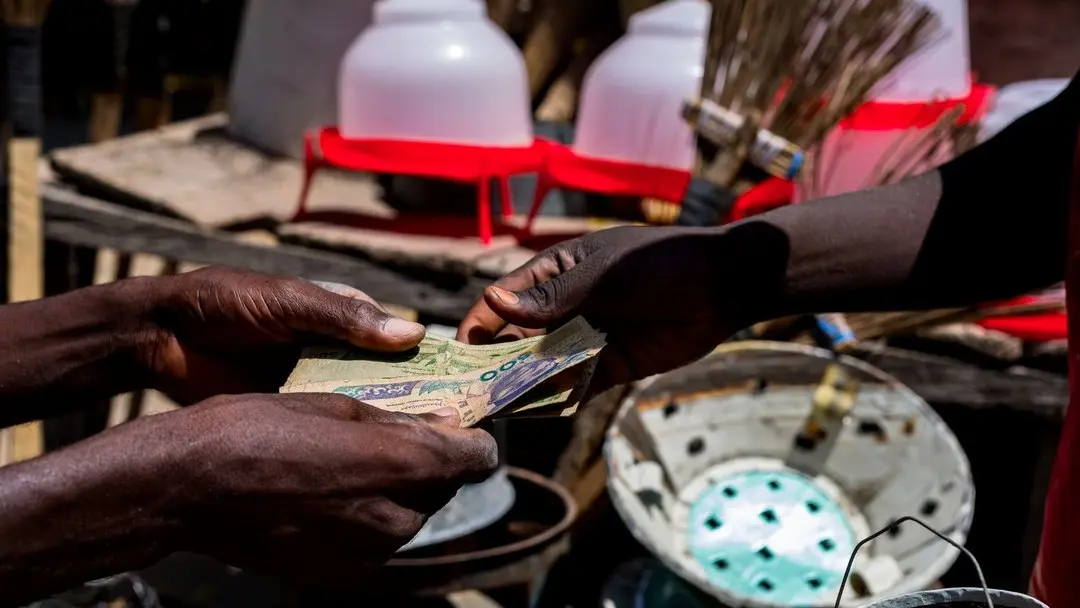
Euros are the most easily exchanged foreign currency in Senegal. Major banks — including Société Générale Sénégal, Ecobank, and Coris Bank — exchange euros at rates close to the official parity. Commission fees typically apply.
Licensed bureaux de change operate in Dakar, particularly around the Plateau district and Yoff near the airport. They often offer marginally different rates and variable fees. Verify licensing before transacting.
ATMs in Dakar generally dispense XOF and accept Visa and Mastercard linked to eurozone accounts. International withdrawal fees charged by your home bank are separate from any local ATM charges. Confirm both before travelling.
The informal exchange market exists but carries legal and financial risk. Transactions outside licensed channels are not protected under Senegalese banking law. The BCEAO does not guarantee recourse for disputes arising from informal exchanges.
Wire transfers from Europe to Senegal can be executed through SWIFT-connected banks or via licensed money transfer operators. Transfer fees and correspondent bank charges vary significantly by provider and amount. Compare total cost — not just the stated exchange rate.
Frequently Asked Questions
Is the CFA franc the same as the euro?
No. The CFA franc (XOF) is a separate currency, issued by the BCEAO. It is pegged to the euro at a fixed rate of 655.957 XOF per euro, but it is not legal tender in the eurozone. Euros are not accepted as payment in Senegalese shops or markets under normal circumstances.
Can the fixed parity between the CFA franc and euro change?
In theory, yes. Any change would require agreement between the UEMOA member states, the BCEAO, and the French government, which guarantees the convertibility. The last change was the 1994 devaluation. No adjustment has occurred since the 1999 euro peg was established, but political pressure for reform has grown in recent years.
What is the best way to bring euros to Senegal?
Licensed bank branches and regulated bureaux de change are the safest options. Carrying large cash amounts entails customs declaration requirements above certain thresholds. For large transfers, compare wire transfer operators on total cost, including fees and the effective rate applied.
Sources
- BCEAO — Banque Centrale des États de l’West Africa. Official XOF/EUR fixed parity documentation. Consulted 07/11/2026.
- Exchange Rate API (er-api.com). Live rate data feed, fetched 07/11/2026.
- Direction générale du Trésor (France). CFA franc convertibility guarantee framework. Consulted 07/11/2026.
Indicative rate notice: The XOF/EUR parity of 655.957 is a fixed institutional rate. All other currency rates cited are indicative rates, subject to change. They do not constitute financial advice. Verify current rates with your bank or licensed exchange provider before any transaction.