

“`html
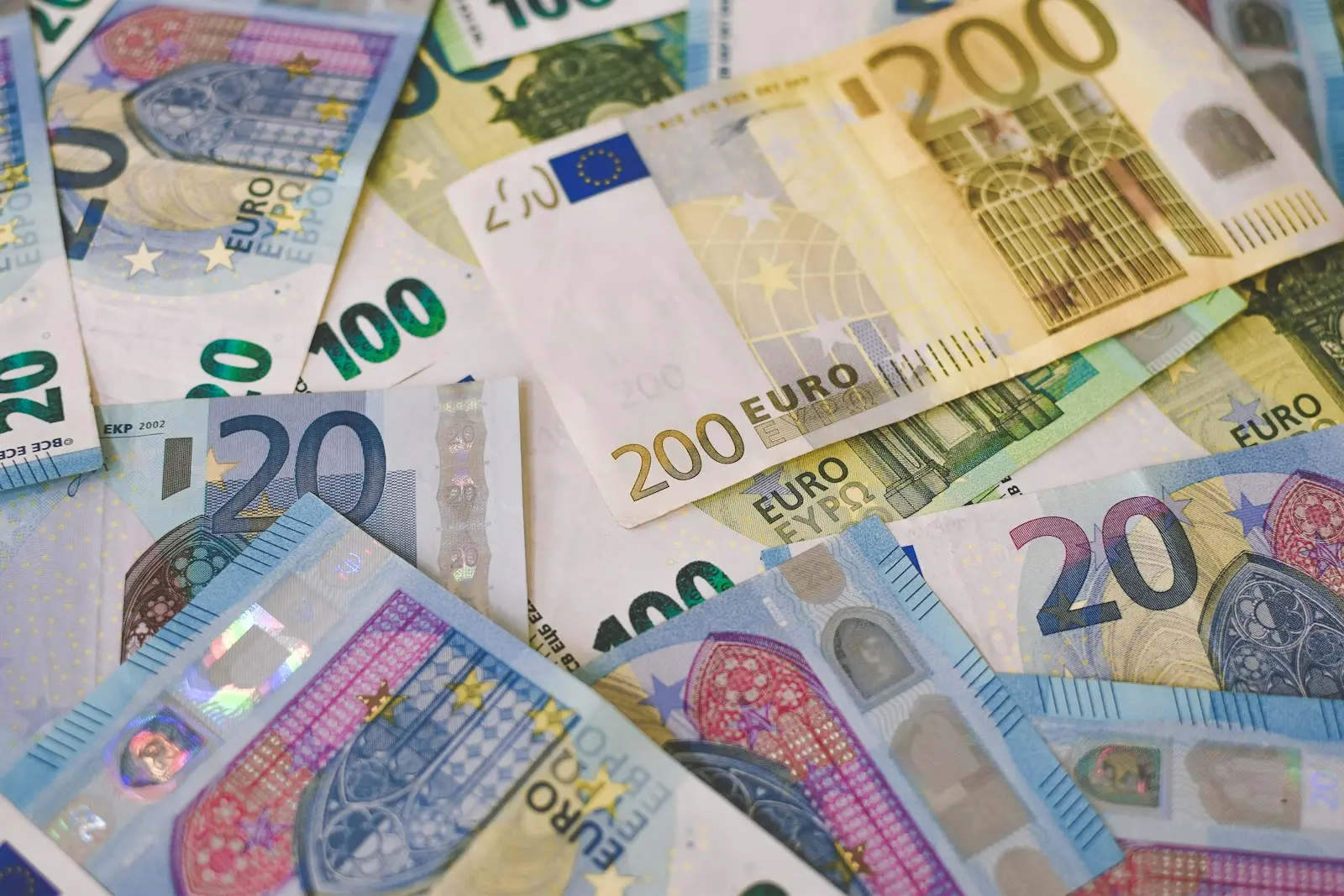
As of 7 November 2026, one euro buys exactly 655.957 CFA francs (XOF). That rate is not a market quote. It is a fixed, legally guaranteed parity anchored to the euro by a monetary agreement between the West African Economic and Monetary Union (UEMOA) and France. For anyone moving money into or out of Côte d’Ivoire, understanding this architecture matters as much as knowing the number itself.
What is the currency of Côte d’Ivoire?
Côte d’Ivoire uses the West African CFA franc, ISO code XOF. The currency is shared by eight UEMOA member states: Benin, Burkina Faso, Guinea-Bissau, Mali, Niger, Senegal, Togo, and Côte d’Ivoire itself. It is issued and managed by the Banque Centrale des États de l’West Africa (BCEAO), whose regional headquarters sit in Abidjan, the economic capital of Côte d’Ivoire.
The Afriques newsletter
- Free & no spam
- 1 email per day
- Unsubscribe in 1 click
The XOF is distinct from the Central African CFA franc (XAF), used by six CEMAC countries. Both share the same fixed parity against the euro — 655.957 — but they are not interchangeable and are issued by separate central banks.
The fixed parity was set in 1999 when the euro replaced the French franc. Before that, the rate had been 100 XOF per French franc since the 1994 devaluation. France’s Treasury guarantees convertibility, an arrangement that eliminates exchange-rate risk for euro-zone trade partners but removes monetary policy autonomy from member states.
CFA franc → euro converter
The table below applies the official fixed parity of 1 EUR = 655.957 XOF. These are pre-fee conversions. Banks and exchange bureaux will deduct a commission, typically reducing the effective rate you receive.
| CFA francs (XOF) | Euros (EUR) |
|---|---|
| 100 FCFA | 0.15 € |
| 1,000 FCFA | 1.52 € |
| 5,000 FCFA | 7.62 € |
| 10,000 FCFA | 15.24 € |
| 50,000 FCFA | 76.22 € |
| 100,000 FCFA | 152.45 € |
Indicative rate, subject to change. Source: BCEAO official parity + er-api.com, fetched 07/11/2026.
The Ivorian CFA franc against the euro
The XOF-EUR relationship is structurally different from every other African currency pair. There is no float, no central bank intervention to defend a band, and no speculative pressure from forex markets. The rate of 655.957 is written into a bilateral treaty and has been unchanged since 1 January 1999.
This stability has measurable trade advantages. Ivorian cocoa exporters — Côte d’Ivoire supplies roughly 40% of global cocoa — invoice in XOF domestically but face no euro conversion risk when dealing with European buyers. Import costs from the eurozone are equally predictable.
The trade-off is well documented by economists. The BCEAO cannot devalue to restore competitiveness during shocks, cannot print money to finance deficits freely, and must maintain 50% of foreign reserves with the French Treasury. Critics, including several African heads of state over the past decade, argue this architecture limits economic sovereignty. Supporters point to the near-zero inflation differential with the eurozone that the peg historically delivers.
For comparison, here is how the XOF parity sits relative to other African currencies against the euro as of 7 November 2026:
| Currency | ISO Code | Rate per 1 EUR | Regime |
|---|---|---|---|
| West African CFA franc | XOF | 655.957 | Fixed parity |
| Central African CFA franc | XAF | 655.957 | Fixed parity |
| Moroccan dirham | MAD | ≈ 10.90 | Managed float |
| Ghanaian cedi | GHS | ≈ 13.08 | Float |
| Nigerian naira | NGN | ≈ 1,487.5 | Float (volatile) |
| South African rand | ZAR | ≈ 18.42 | Float |
| Kenyan shilling | KES | ≈ 145.4 | Float |
All non-XOF/XAF rates are market rates, indicative only, subject to change. Source: er-api.com, 07/11/2026.
Changing euros in Abidjan
The fixed parity means no bureau de change in Abidjan can legally offer a rate different from 655.957 XOF per euro. In practice, the spread lies in fees and commissions, not the mid-rate itself.
Commercial banks — including Société Générale Côte d’Ivoire, Ecobank, and SGBCI — are the most regulated option. Expect a commission of 1–2% on cash exchanges. Identification is required above certain thresholds under BCEAO anti-money laundering rules.
Authorized exchange bureaux (bureaux de change agréés) operate in Abidjan’s Plateau district and around the airport. They are licensed by the BCEAO. Using unlicensed street changers is illegal and carries legal risk for both parties.
ATMs linked to international networks (Visa, Mastercard) dispense XOF at the interbank rate. Your home bank’s foreign transaction fee — typically 1.5–3.5% — is the primary cost. Check your card’s specific terms before travelling.
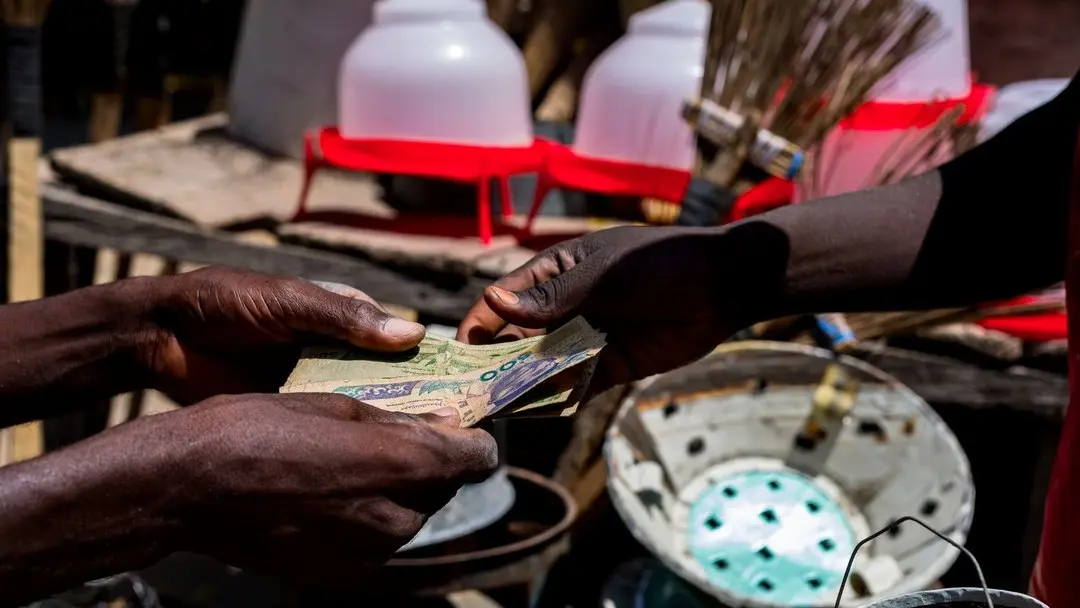
Mobile money (Orange Money, MTN Mobile Money, Wave) dominates domestic transactions in Côte d’Ivoire. Cross-border euro top-ups through these platforms involve the same underlying parity but may carry platform-specific fees. Confirm current fee schedules directly with the provider.
Frequently asked questions
Is the CFA franc truly fixed to the euro, forever?
The parity of 655.957 is guaranteed by a formal monetary agreement between UEMOA and France, now operating under EU oversight. It has been unchanged since 1999. Any modification would require renegotiation at the political level among all member states and France. No such renegotiation has been formally initiated as of the date of this article.
Can I use euros directly in Abidjan?
Euro banknotes are not legal tender in Côte d’Ivoire. Most hotels, airlines, and large retailers in Abidjan accept euros informally, but they set their own conversion rates, which may be less favourable than the official parity. For everyday transactions, XOF cash or mobile money is required.
How does the XOF-EUR rate affect Ivorian exporters?
Cocoa, cashew, and rubber exporters face no euro-exchange risk on sales to eurozone buyers — a direct advantage of the fixed parity. However, when the euro strengthens against the US dollar (most commodity prices are denominated in USD), Ivorian exporters receive fewer XOF per dollar earned, since the XOF cannot devalue to compensate. The USD-EUR rate therefore has an indirect but significant impact on export revenues.
Sources
- BCEAO — Banque Centrale des États de l’West Africa: official XOF/EUR fixed parity documentation (consulted 07/11/2026).
- er-api.com: market exchange rate data for non-fixed African currencies (fetched 07/11/2026).
- French Treasury (Direction générale du Trésor): convertibility guarantee mechanism for the CFA franc zones (consulted 07/11/2026).
Disclaimer: All non-fixed rates are indicative rates, subject to change without notice. This article does not constitute financial or investment advice.
“`