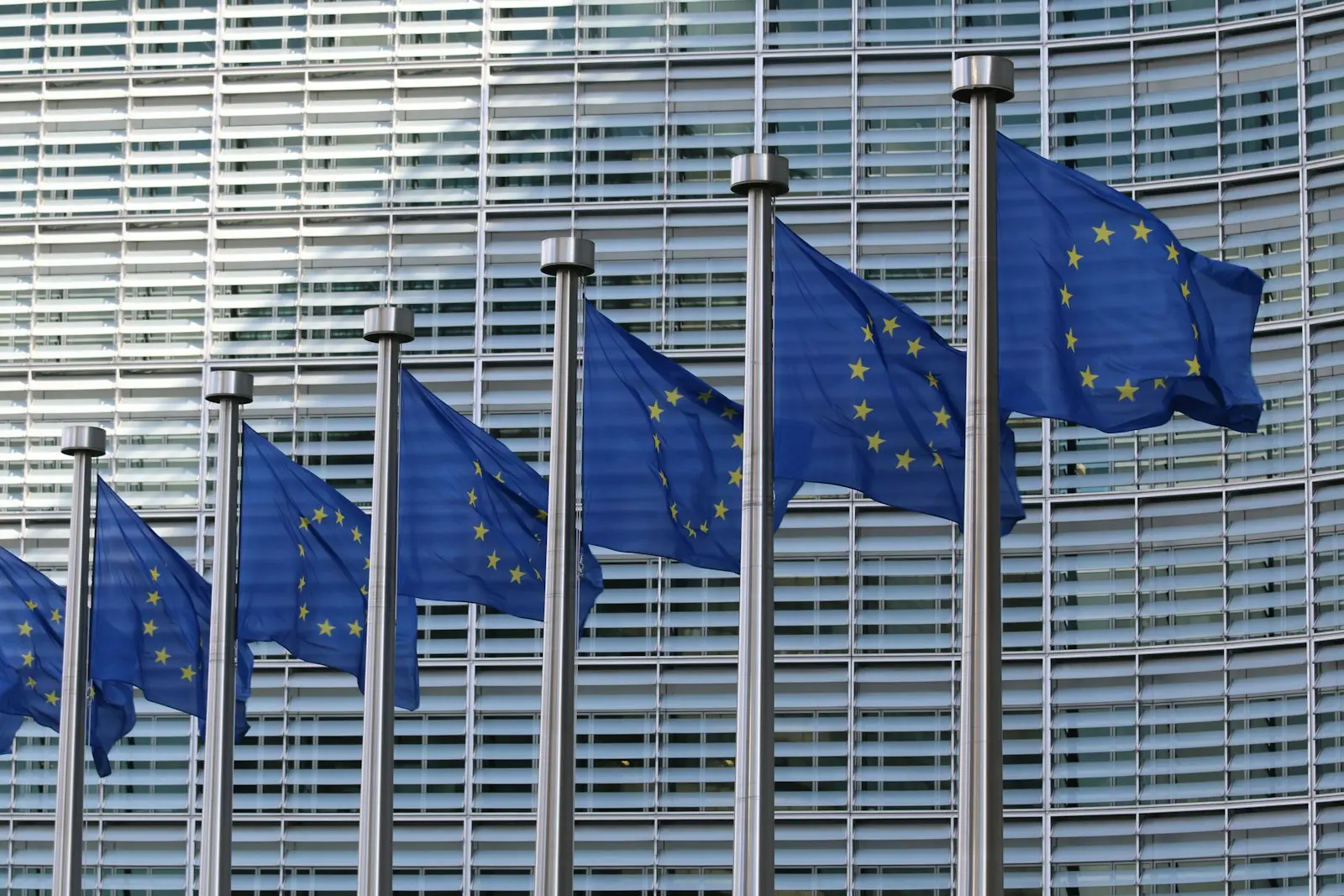

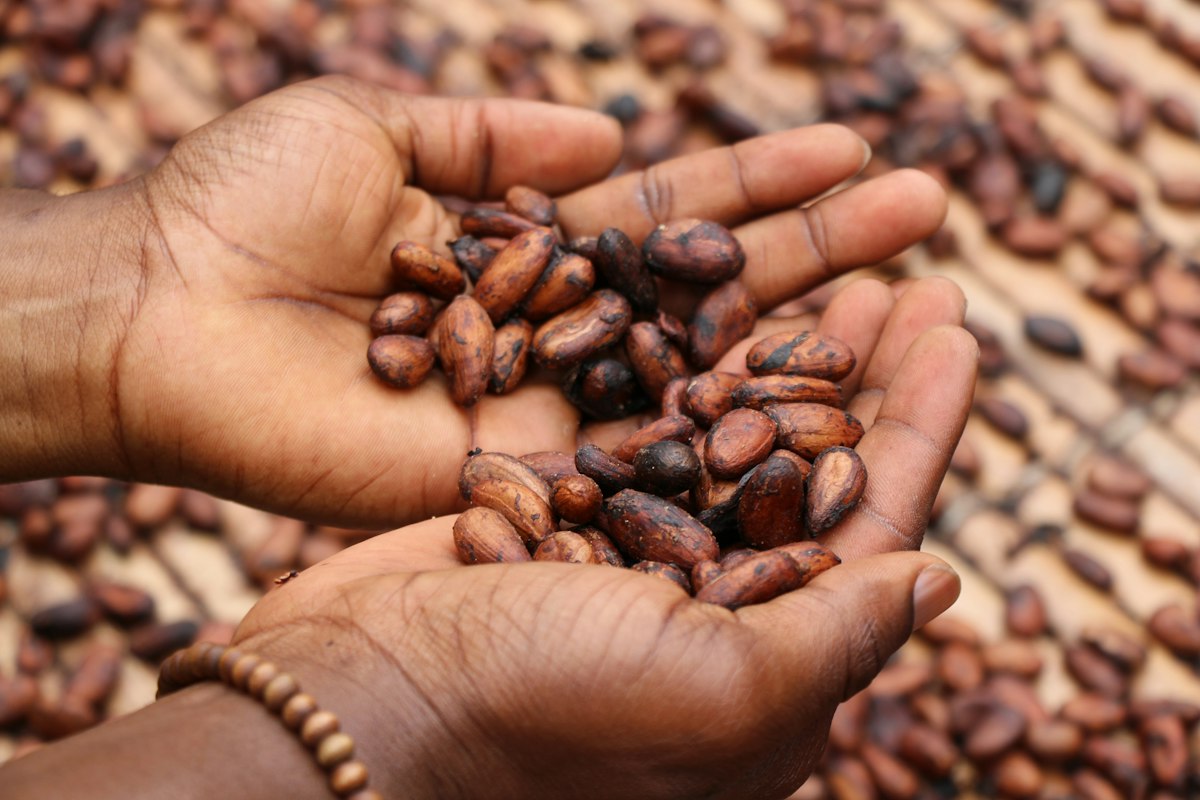
As the European Union deploys its new environmental regulations, African producers face a financial wall of compliance costs. Without co-financing, this essential ecological transition threatens to become exclusive green protectionism.
A producer can preserve his forest, make a living from his work, and yet risk losing his market. His fault? Not having the means to pay for proof of his compliance. This is the paradox threatening trade relations between Europe and Africa: a transition designed to protect the planet could exclude those with the fewest resources to meet its requirements.
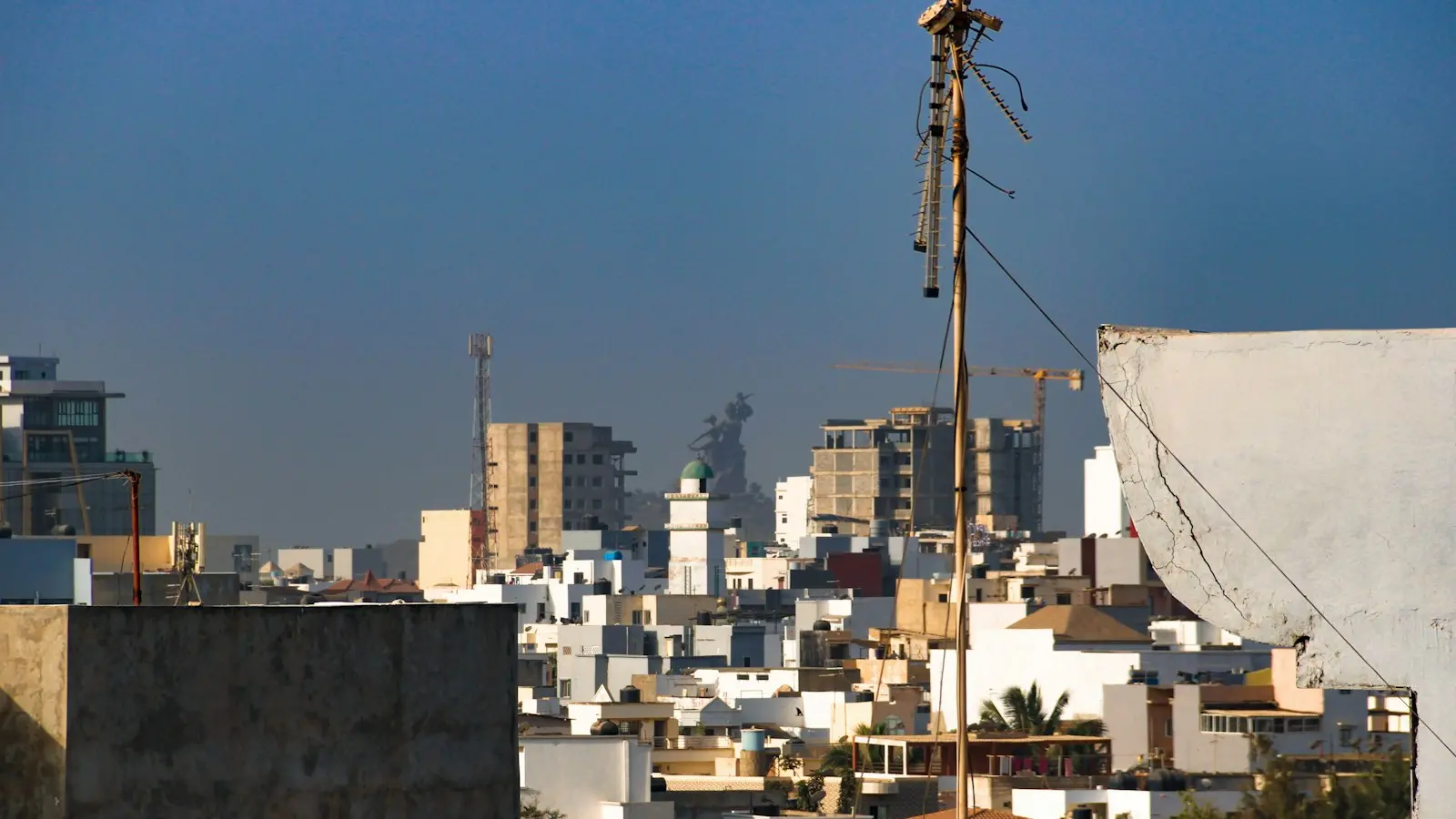
In Brussels, legislation is drafted in the comfort of carpeted offices. In Abidjan, Yaoundé or Nairobi, losses are being counted. Imagine an Ivorian farmer standing before his sacks of cocoa. He has worked his land, preserved his trees and prepared his harvest. Yet his next obstacle will not be climatic, but digital: a missing file, geographic coordinates or proof of origin he does not know how to produce. His cocoa exists, his work too, but without digital data, he loses his market. This is the paradox of the new European regulation: respecting nature, yet finding oneself excluded for being unable to prove it.
The Afriques newsletter
- Free & no spam
- 1 email per day
- Unsubscribe in 1 click
Europe legitimately wants to green its imports. But this ambition does not give it a blank check to push costs onto the producers least capable of absorbing them. A major political question now arises: who should pay to make global trade sustainable?
Two regulations, two sledgehammers
The European Union (EU) framework rests on two major pillars that are squeezing African supply chains. On one side, the EU Deforestation Regulation (EUDR). It targets cattle, cocoa, coffee, palm oil, rubber, soya and wood. Its calendar, revised after intense debate, imposes application by 30 December 2026 for large operators, and by 30 June 2027 for smaller structures. Its requirement is absolute: every batch must be geolocated down to the plot of origin to prove that no forest was cleared after 2020.
On the other side, the Carbon Border Adjustment Mechanism (CBAM). Having entered its final phase on 1 January 2026, it taxes the embedded carbon of heavy sectors such as steel, aluminium, cement and fertilisers. While the legal obligation falls on the European importer, the impact on Africa is indirect. Western clients pass on the pressure through commercial contracts, demanding complex carbon audits from African SMEs under threat of supply termination.
The rule is common, but the means are profoundly unequal. A large European group mobilises battalions of lawyers and cutting-edge software. A small African agricultural cooperative, meanwhile, must finance smartphones, GPS devices, internet connections and satellite mapping out of its own margins.
The suffocation of silent exclusion
The cocoa sector in West Africa perfectly embodies this imbalance. Côte d’Ivoire and Ghana supply more than 60% of global production, and millions of small farmers depend on it directly. More than half of these exports make their way to Europe.
For these producers, compliance is not simply a matter of administrative forms. It is a financial wall. According to analyses by the Commonwealth Secretariat, sub-Saharan Africa risks losing up to 11 billion dollars in export revenues per year if its producers do not align with the EUDR. A survey published in August 2026 by the International Institute for Sustainable Development (IISD), conducted among 333 small producers in 16 countries, confirms the deadlock: fragmented land tenure, lack of technology and audit costs are suffocating small local structures.
The real danger is not an official ban, but “silent exclusion.” Unable to finance proof of their virtue, thousands of good-faith producers will be swept out of value chains in favour of better-resourced large agro-industrial plantations.
Admittedly, defenders of Brussels standards argue that deforestation destroys local ecosystems and that the real problem remains the low purchase price paid to farmers. The argument is valid, but the method is unjust. You do not correct an inequitable sharing of value by adding an additional financial burden on top of it. Who sets the rules? Europe. Who reaps the moral satisfaction? The Western consumer. Who foots the bill? Africa.
The asymmetry of the green transition
| Actor | Impact and economic reality |
|---|---|
| European Union | Unilateral writing of standards. Capture of ecological good conscience and control of market access. |
| Western importers | Contractual transfer of control obligations upstream in the supply chain, with no guarantee of price increases. |
| African exporters | Direct financial responsibility for audits and traceability. Major risk of commercial exclusion. |
From submission to diplomacy: five levers for action
Africa can no longer content itself with passively enduring Brussels’ diktats or begging for grace periods. Economic sovereignty requires transforming this asymmetric relationship into a firm bilateral negotiation. Five political and economic levers must be activated immediately.
Finance — sharing the bill
Environmental compliance must cease to be an exclusive responsibility. European buyers who profit from African raw materials must co-invest in bringing operations up to standard. The EU and development banks must deploy massive subsidies for collective traceability infrastructure, not merely loans.
Pool resources
To break the handicap faced by small structures, African states must create national compliance platforms. Shared laboratories and regional certification centres will make it possible to drastically reduce the unit cost of proof.
Represent
Africa must invest massively in normative diplomacy. It must take a strong seat in international standardisation bodies, not to demand special treatment, but to impose rules applicable to diverse economic contexts.
Transform
Raw material exports are a sentence to vulnerability. As long as the continent sells its cocoa as beans and its minerals in raw form, it will remain subject to decisions made downstream. Value must be captured locally through local industrialisation and economic transformation.
Unify — the AfCFTA lever
Diversification of outlets is the ultimate weapon. The development of intra-African trade through the African Continental Free Trade Area (AfCFTA) must accelerate. By strengthening regional logistics and customs infrastructure, Africa grants itself a vast substitute market, strengthening its negotiating power vis-à-vis Europe.
Conclusion: negotiate, diverge or perish
Europe is making a risky geopolitical bet. By persistently treating its historic partners as mere executors of its bureaucratic diktats, it forgets that the world has become multipolar. Today’s Africa is looking elsewhere. If the European market transforms into an inaccessible fortress, African trade routes will massively diverge toward China, India or the Gulf states: pragmatic, hungry markets that are far less moralising.
The ecological transition must not become the new privilege of wealthy economies, maintaining an archaic international division of labour: to Africa the risky and costly production; to the West the control of standards, data and value.
A standard only protects the planet if those who apply it still have the means to live. Otherwise, it only protects the markets of those who wrote it. Africa must stop adapting its back to the whip of the standard: it must sit firmly at the table, set the rules and demand that the bill be shared.
Sources
- European Commission — Regulation on Deforestation-free Products (EUDR)
- European Commission — Carbon Border Adjustment Mechanism (CBAM)
- IISD — Smallholders and the EU Deforestation Regulation (August 2026)
- Commonwealth Secretariat — The EU Deforestation Regulation: Trade and Investment Implications for Sub-Saharan African Countries
- European Commission — Team Europe Initiative for Deforestation-Free Value Chains

Yahya Yahyaoui
A lawyer, analyst and journalist based in Brussels, he deciphers the economic, legal and regulatory stakes of Europe-Africa relations for Les Afriques: European funding, trade rules and the negotiating capacity of African economies.
View all articles →