
Financing, trade rules, negotiating capacity: behind the files of the ACP working group of the Council of the European Union lies a question of power. For African partners, the challenge is to transform cooperation into the means to produce, to choose, and to carry weight.
The balance of power sometimes hides within a payment schedule. This 6 October, in Brussels, the agenda of the “Africa, Caribbean and Pacific” working group includes the examination of contributions to the European Development Fund and customs issues related to trade with southern African countries. Technical subjects, on the surface. But financing and market access conditions directly affect the room for manoeuvre of African economies.
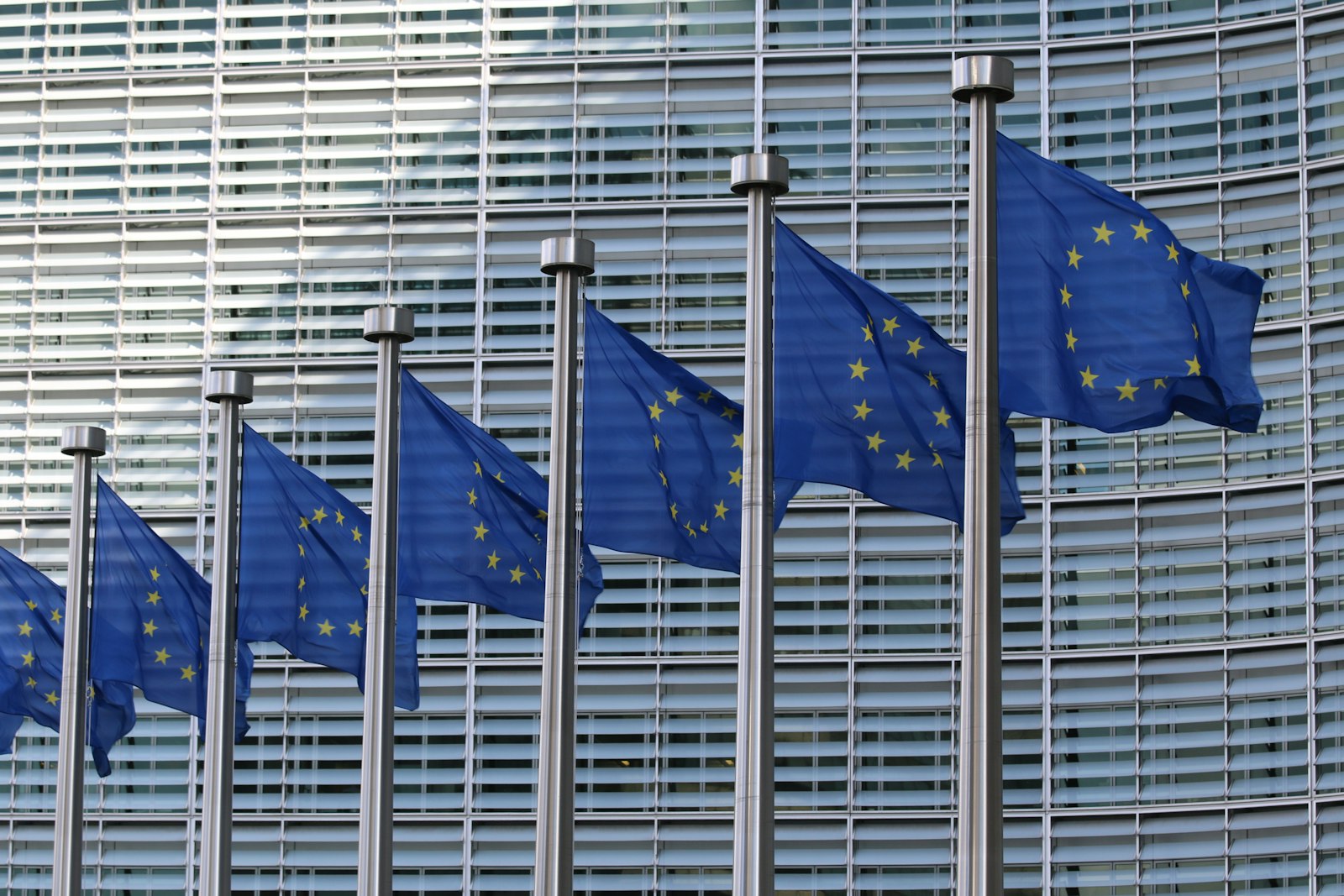
A clarification is in order: this meeting takes place within the Council of the European Union, the institution where the governments of the member states are represented. The ACP group brings together their representatives, those of the Commission and the European External Action Service, responsible for the diplomatic dimension. It prepares the European work. This is neither a Europe–Africa summit nor a bilateral negotiation with the ACP countries.

The Afriques newsletter
- Free & no spam
- 1 email per day
- Unsubscribe in 1 click
This organization is legitimate: each partner prepares its positions. It does, however, invite scrutiny of the means available to each party for negotiation. The Union coordinates its interests through a permanent institutional apparatus. For the African states concerned, with their diverse situations and priorities, the challenge is to have the expertise and coordination capable of carrying weight against this preparation. A seat at the table does not guarantee equal weight in the discussion.
The financial file illustrates the need to read beyond the announcements. The proposal relating to the third tranche of 2026 provides for 150 million euros in contributions to the European Development Fund, or EDF, for the Commission. Another provides for 460 million for 2027, of which 200 million for the first tranche, and a ceiling of 400 million for 2028. These proposals do not amount to decisions already adopted.
A “tranche” is a partial payment; a “ceiling” sets a limit. Above all, these amounts feed the EDF: they do not represent as much new money directly allocated to Africa. The fund historically covers ACP countries and overseas countries and territories. Its previous operations continue while the new European cooperation falls, for 2021–2027, within the budgetary instrument “Global Europe”.
Three steps must remain distinct: the contribution brings resources to the fund; the commitment reserves means or creates a financing obligation; the payment corresponds to the actual disbursement. For a company, this difference can determine the purchase of a machine or the settlement of a supplier. Promises do not finance factories. Their execution does.
The geopolitical reach becomes apparent when a national priority depends heavily on external funding. Those who hold the resources and can negotiate the terms possess leverage. The partner who lacks alternatives sees their freedom of choice diminish. This mechanism does not mean that all cooperation can be qualified as guardianship; it requires examining who defines the priorities, who bears the risks, and who can request a revision.
Trade extends this question. The agenda mentions customs within the framework of the EU–SADC economic partnership agreement, with a group of Southern African countries. An EPA organizes the conditions of trade. Customs duties are import taxes; rules of origin determine whether a good can benefit from the advantages provided by the agreement.
For an African SME, the challenge is concrete: can it actually use this market access? Gathering the required documents, meeting applicable requirements, transporting goods and waiting for payment demands both expertise and cash flow. A tariff preference — a reduced or zero duty — can lose its value if using it costs too much. An open door is not enough: you still need to be able to walk through it.
A more balanced partnership should therefore negotiate together both the rules and the means to enforce them. Technical assistance, comprehensible procedures, appropriate deadlines, and control capacities must accompany commercial ambitions. A requirement can be legitimate while imposing a disproportionate burden on an ill-equipped company. Equal rules do not guarantee equal capacities.
For African economies, the decisive criterion should be local added value: the wealth created through processing, skills, and activities carried out on the ground. Financing should help produce; trade agreements, to sell; technical cooperation, to advance. Their articulation must be measured by the suppliers developed, the sustainable jobs created, and the income retained within the economies concerned.
The responsibility is also African. A tax exemption, meaning a tax waiver, represents revenue foregone in exchange for expected benefits. It must be assessed against the investments, jobs, and local purchases actually delivered. Diversifying partners is not enough if contracts remain poorly negotiated or their outcomes impossible to monitor. Economic sovereignty also requires public accountability and verifiable commitments.
The Samoa Agreement provides the general framework for relations between the Union and members of the Organisation of African, Caribbean and Pacific States. It does not cover the whole of Africa and does not eliminate power imbalances. For African partners, the response should combine legal expertise, regional coordination, mobilisation of own resources and diversification of funding. Diplomacy gains strength when it can advocate credible alternatives.
The ACP working group meeting does not alone decide the future of the partnership. Its agenda nonetheless highlights where a share of influence is being shaped: in budgets, procedures, and command of the files. For Europe, sharing the definition of priorities more broadly would strengthen the credibility of the partnership. For African states, carrying weight requires transforming their ambitions into quantified, negotiable proposals.
Equality is not proclaimed in a press release. It is built through contracts, production capacities, and value sharing.
Sources: EU Council, ACP Group presentation and Samoa Agreement; CM agenda 4409/26; proposals COM (2026) 534 and 533. Analysis of public documents available before the meeting: no exchange, session outcome or participant’s remarks are reported.

Yahya Yahyaoui
A lawyer, analyst and journalist based in Brussels, he deciphers the economic, legal and regulatory stakes of Europe-Africa relations for Les Afriques: European funding, trade rules and the negotiating capacity of African economies.
View all articles →