


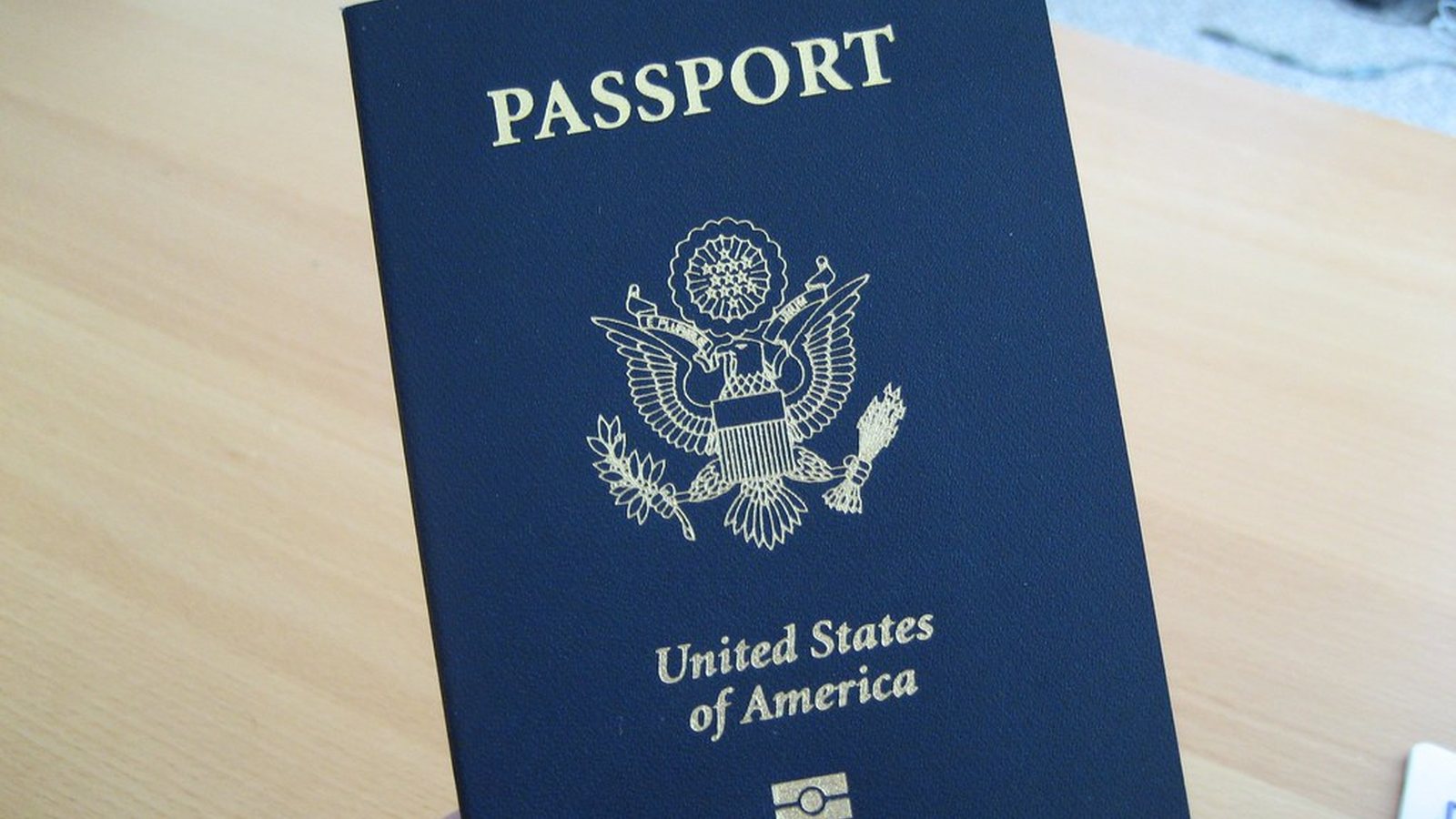
African passport and international mobility
A strong passport facilitates travel, but it also reveals a country’s place in diplomatic and economic networks. Mobility is an invisible asset.
The strength of an African passport is measured by the real mobility it provides: visa-free travel, visa on arrival, e-visa, regional agreements and consular credibility. A ranking is useful, but it never replaces verification before departure.
- The Henley Passport Index compares visa-free access to 227 destinations.
- The Seychelles and Mauritius remain the best-performing African passports in recent international rankings.
- The gap between African countries owes as much to diplomacy as to administrative stability and bilateral agreements.
A more widely accepted passport reduces costs, delays and uncertainty. For an entrepreneur, it can facilitate trade shows, meetings and prospecting. For a student, it simplifies administrative procedures. For a family, it makes emergencies more manageable.
Why some passports open more doors
Mobility depends on negotiated agreements, reciprocity, the level of trust between administrations and sometimes the perception of migration risk. Small tourist states may obtain broad facilitations, while more populous or less stable countries face greater restrictions.
Even when a country is accessible without a visa, the traveller may need to present a return ticket, reservation, insurance, proof of financial means or a health certificate. Rules change quickly. Best practice is to check the embassy, the airline and the official platform of the destination country before purchasing a non-refundable ticket.
Financial resources, accommodation file, insurance, transit and arrival checks remain decisive. Real mobility therefore depends on the document, but also on the traveller’s personal situation.
- Relying solely on a map shared on social media.
- Confusing e-visa, visa on arrival and full exemption.
- Forgetting transit rules.
Travel, studies, business and practical limits
On African passports and mobility, data can move quickly. The right reflex is to check the date of the figures, the source used, the country concerned and the practical conditions. Information that is useful today can become misleading if the exchange rate, regulation, fees, world price or access to financing change.
The most reliable reading therefore combines three levels: a recent public figure, a concrete example and a local verification. It is this combination that makes it possible to move from an appealing idea to a more solid decision.
A passport ranking provides a useful reference point, but travellers must verify the exact rules of the destination country. Some countries allow entry without a visa, but require a return ticket, insurance, proof of financial means, an accommodation address or a digital form. Airlines may deny boarding if a document is missing.
The right reflex is to check three sources: the official website of the destination country, the airline and the embassy or consulate. This verification avoids unpleasant surprises, especially when the journey includes a stopover in a third country.
Points to check before travelling
Mobility facilitates studies, business, healthcare and professional events, not just tourism.
Mobility is not only useful for holidays. It facilitates studies, conferences, professional assignments, healthcare, trade shows and family reunions. A more widely accepted passport reduces the hidden costs of travel: time, forms, appointments and uncertainty.
The answer depends on the subject, but the rule remains the same: check the source, the date, the country concerned and the concrete conditions before deciding.
Sources do not always use the same year, the same currency, the same scope or the same method. This is why discrepancies should be explained rather than copied without context.
Read also
Sources
FAQ
Why do some African passports open more doors?
Mobility depends on bilateral agreements, administrative stability and trust between states.
What does a passport ranking reveal?
It provides a measure of visa-free access, but does not summarise all entry conditions.
What limit should be kept in mind?
A passport is not always enough. Financial resources, insurance, transit and personal documents remain decisive.