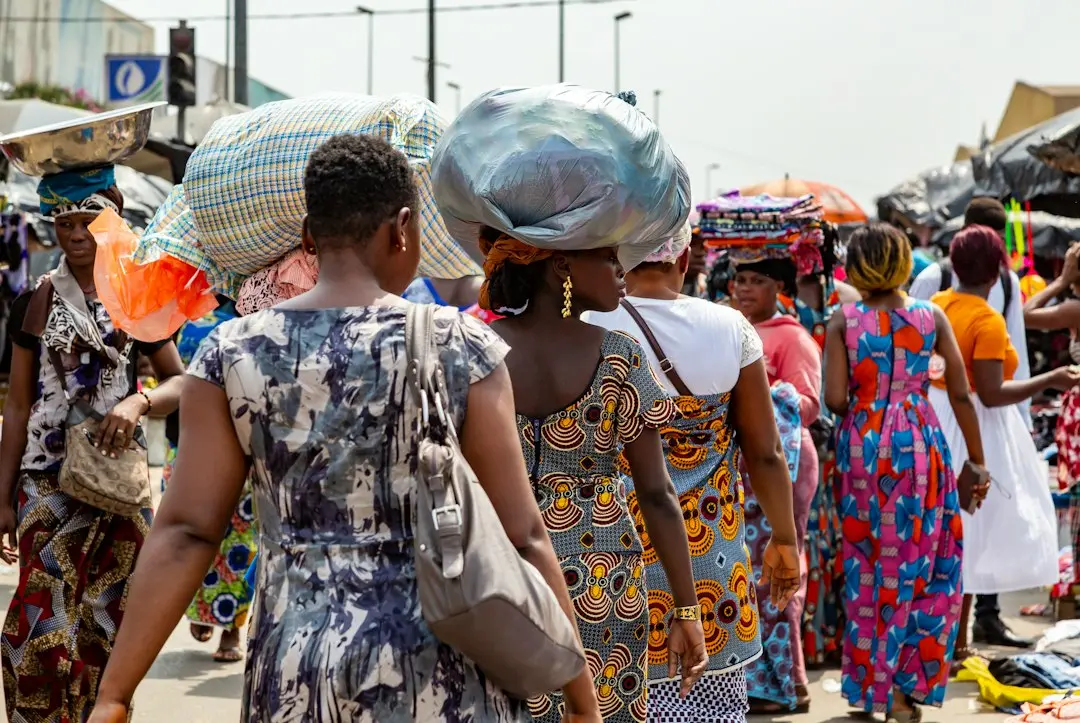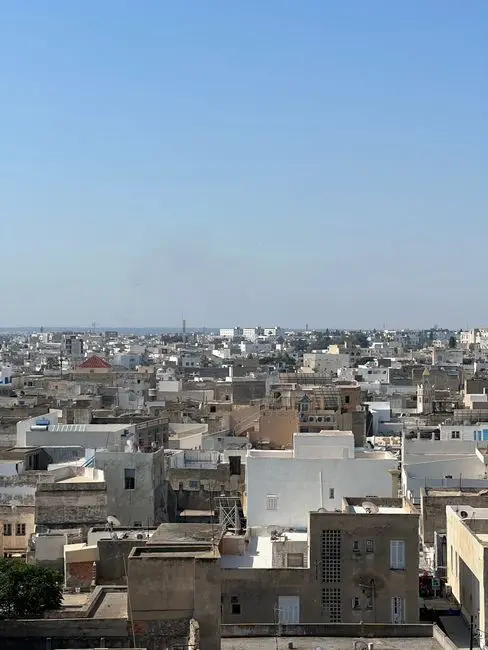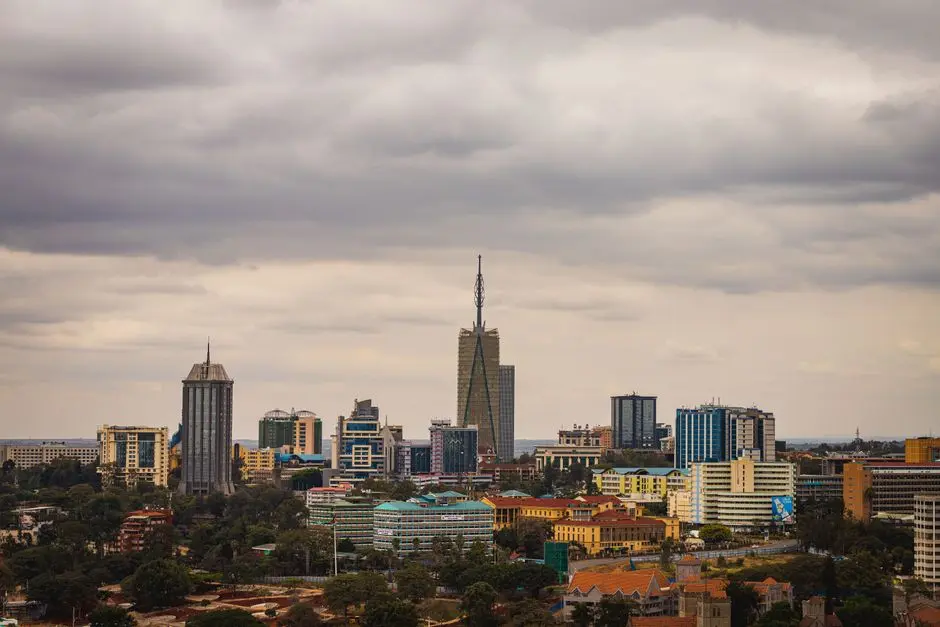




In the bustling streets of Nairobi, horns blare between modern buildings and makeshift markets. Kenya is changing, fast, sometimes too fast. Behind the visible progress, another reality emerges: that of social fractures, persistent inequalities, and latent tensions. Looking toward 2030, the country stands at a decisive crossroads. What challenges must Kenyan society overcome to build a fairer and more stable future?
A large youth population, but a disillusioned one
With more than 75% of its population under the age of 35, Kenya is one of the youngest countries in Africa. This demographic potential could be a strength. But for many, it is above all a source of frustration.
“I have an engineering degree, but I’ve been selling socks on the street for three years,” says Peter, 27, in the Eastleigh neighborhood. Like him, nearly 40% of young graduates are unemployed. The labor market is not keeping pace with demographic growth, and informal jobs remain the norm.
The government has launched several programs, such as the Youth Enterprise Development Fund, but the impact remains limited. Young people are asking for more than financial support: they want to be heard, included, and recognized.
Inequalities entrenched in everyday life
A few kilometers from the glass towers of downtown Nairobi, the Kibera slums stretch as far as the eye can see. There, families live on less than 2 dollars a day, without reliable access to drinking water or electricity.
According to the Kenya National Bureau of Statistics, 36% of the population lives below the poverty line. The wealth gap is widening, between an upwardly mobile urban middle class and rural or peri-urban areas left behind.
“They talk to us about economic growth, but here, nothing changes,” sighs Mary, a mother of four in Kisumu. “Schools are overcrowded, hospitals lack everything. We survive, that’s all.”
Access to public services remains unequal, and corruption, ever-present, undermines trust in institutions. In 2023, Kenya ranked 123rd out of 180 in Transparency International’s Corruption Perceptions Index.
Rapid and poorly managed urbanization
Every day, more than 1,000 people arrive in Nairobi, hoping to find a better future there. This rapid urbanization far exceeds the capacity of cities to accommodate them.
The result? Saturated infrastructure, massive traffic jams, alarming pollution. Housing has become a luxury: only 17% of Nairobi’s residents live in formal housing. The rest are crammed into makeshift structures.
“The city is suffocating, literally,” warns Professor Wanjiru Mwangi, urban planner at the University of Nairobi. “Without strategic planning, we are heading straight toward a major urban crisis.”
The government has launched the Big Four Agenda program, which plans for the construction of affordable housing. But delays are mounting, and private developers are prioritizing high-end projects that are out of reach for the majority.
Ethnic tensions that remain ever-present
Kenya has experienced significant episodes of post-electoral violence, notably in 2007-2008, when more than 1,100 people were killed. Since then, the wounds have remained open, and ethnic divisions persist in the political and social sphere.
Political parties are often perceived as vehicles for community interests. This logic fuels identity-based discourse and mistrust between groups.
“Every election revives fears,” explains James Otieno, political analyst. “Alliances change, but the underlying dynamic remains the same: the manipulation of ethnicity for electoral purposes.”
Yet civic initiatives are emerging. Young activists, artists, and journalists are committed to a more inclusive Kenyan identity. But the road ahead remains long, and fragile.
A two-tier education system
The Kenyan education system faces a paradox. On one hand, the primary school enrollment rate exceeds 90%. On the other, the quality of education remains very unequal.
In rural areas, some schools have one teacher for more than 80 students. Textbooks are lacking, infrastructure is outdated, and access to secondary or higher education remains a privilege.
“My children go to school, yes. But are they really learning anything? I’m not sure,” says Josephine, a farmer in Turkana County.
The government has introduced a new competency-based curriculum (CBC), intended to modernize education. But its implementation has been criticized for being poorly prepared and for its high cost to families.
A society in search of its bearings
Beyond material challenges, Kenya is also undergoing a cultural transformation. The influence of social media, the rise of consumerism, and the questioning of traditions are upending established reference points.
The family, long a pillar of society, is changing. Gender roles are evolving, young people are claiming more freedom, but are running up against still-rigid social norms.
The debate on minority rights, particularly LGBTQ+, remains explosive. In 2023, the Supreme Court recognized the right of association for LGBTQ+ groups, triggering a wave of protests. Dialogue is difficult, but it exists.
“Kenya is in the process of redefining itself. It is painful, but necessary,” says Amina Hassan, sociologist. “We must learn to coexist in our diversity, without fear and without hatred.”
Looking toward 2030, Kenya aims for middle-income country status. But beyond economic indicators, it is social balance, justice, and cohesion that will determine whether this ambition succeeds. Will the country be able to meet these challenges without losing its way?