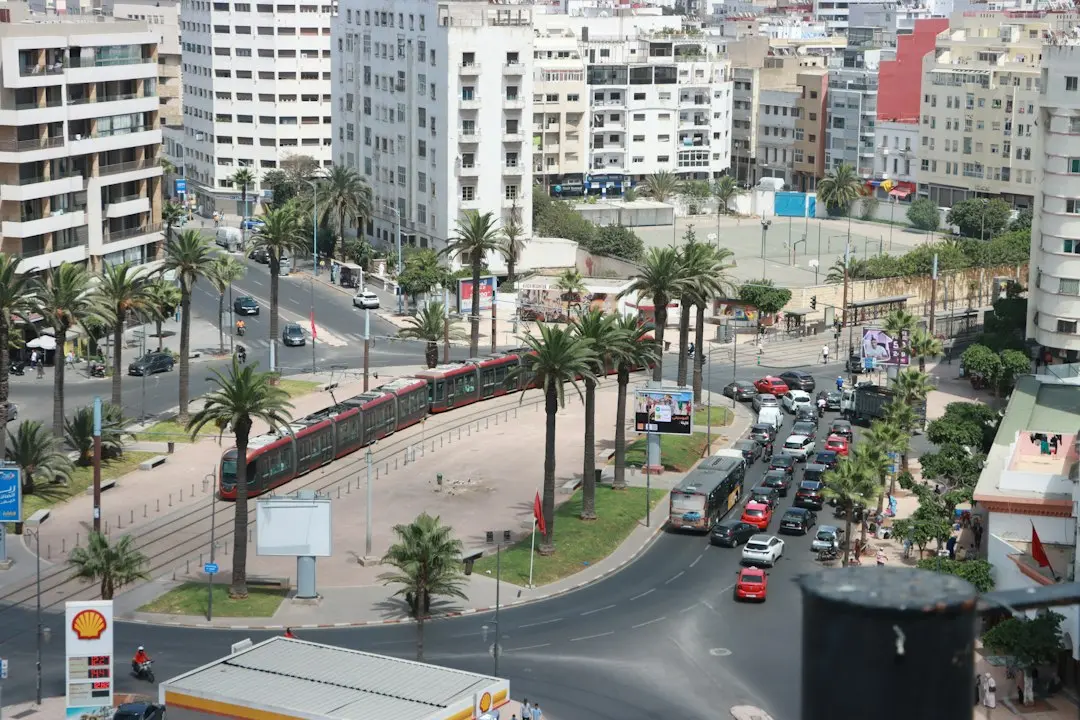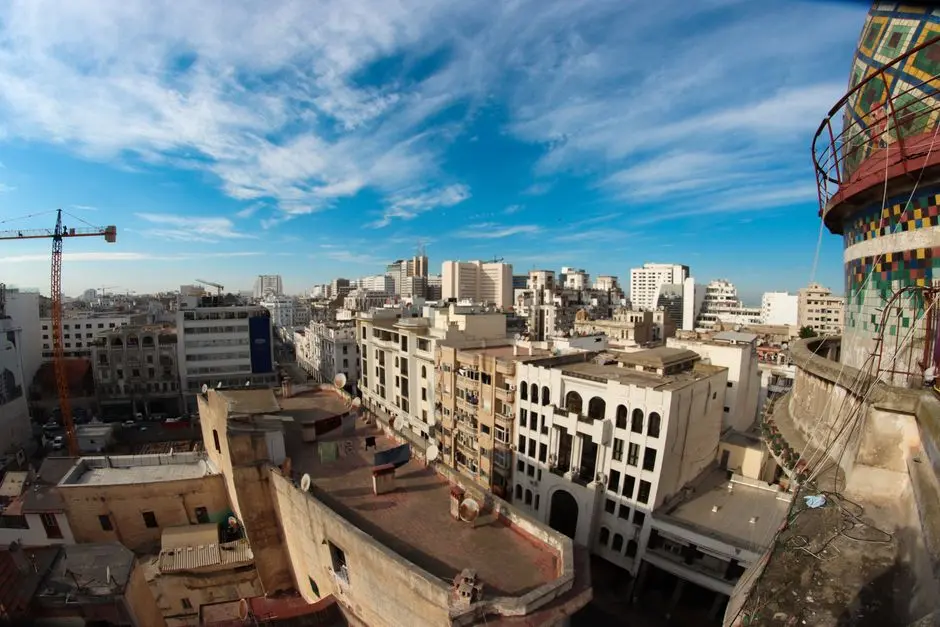




In a bustling alley in Casablanca, a young man adjusts the window display of his small leather goods shop. At first glance, nothing extraordinary. Yet behind this discreet storefront lies one of the faces of a Morocco in full transformation. Far from the spotlight, the Cherifian kingdom is cultivating a silent revolution: that of entrepreneurship. A success story written every day, in the connected cafés of Rabat, the hubs of Marrakech, or the workshops of Fès, driven by an audacious youth and ideas that challenge the established norms.
A Boiling Ecosystem
Over the past decade, Morocco has seen the birth of a genuine entrepreneurial ecosystem. Start-ups, incubators, investment funds, innovation competitions: an entire network has been woven to support project developers. In 2023, the country counted more than 500 active start-ups, compared to barely 100 a decade earlier.
“Ten years ago, starting a business was an uphill battle. Today, young people have access to training, mentors and even funding,” says Leïla Benkirane, co-founder of the Impact Lab incubator in Casablanca.
The Moroccan government has bet big. The Intelaka programme, launched in 2020, injected more than 4 billion dirhams (approximately 370 million euros) to support young entrepreneurs. The result: more than 60,000 projects financed in three years, according to figures from the Ministry of Economy.
Women on the Front Line
What is surprising in this dynamic is the growing place of women. Long underrepresented in the business world, they now lead a third of newly created companies in Morocco.
“I launched my cosmetics brand with 10,000 dirhams and an Instagram account,” says Samira El Idrissi, 28, whose argan-based products are now exported to Europe. “I was supported by a community of women entrepreneurs who pushed me to believe in myself.”
Initiatives such as Womenpreneur Tour or the AFEM network (Association des Femmes Chefs d’Entreprises du Maroc) offer specific support to women, combining coaching, networking and access to dedicated funding.
Tech, the New Playground
Digital technology has become the spearhead of this new generation of entrepreneurs. From delivery applications to e-learning platforms, as well as fintechs, Moroccan tech shines beyond its borders.
Chakib Berrada, founder of the start-up Chari.ma, is a striking example. His B2B platform connecting small traders to suppliers raised more than 5 million dollars in 2022. “The Moroccan market is an ideal laboratory: it is both complex and full of opportunities. If a solution works here, it can be exported anywhere in Africa,” he explains.
With an Internet penetration rate of 84% and a young population – more than 50% of Moroccans are under 30 – the country offers fertile ground for digital innovation.
Between Tradition and Modernity
But Moroccan entrepreneurship is not limited to the digital world. It also draws on ancestral know-how to reinvent it. In Fès, young artisans use 3D printing to modernise the production of zelliges. In Essaouira, women’s cooperatives blend contemporary design with Berber weaving techniques.
“Morocco is a country of contrasts. That is what makes it an inexhaustible source of creativity,” emphasises Youssef Aït Benhammou, designer and founder of the Dar Moulay workshop. “You can create high-end products by drawing on thousand-year-old traditions.”
This marriage between heritage and innovation also attracts foreign investors. In 2023, Morocco’s craft sector generated more than 7 billion dirhams in exports, a historic record.
Persistent Challenges
Despite this enthusiasm, obstacles remain numerous. Access to credit, administrative burdens, complex taxation: the path of the Moroccan entrepreneur is still fraught with pitfalls.
“Sometimes you have to wait months to obtain a simple licence,” laments Anas Khallouk, founder of a start-up in renewable energy. “And banks remain cautious when it comes to financing unconventional projects.”
The failure rate remains high: nearly 50% of young companies close within the first three years. The lack of long-term visibility and the absence of a structured domestic market often hamper their growth.
But for many, these difficulties are also driving forces. “Every obstacle is an opportunity to innovate,” asserts Leïla Benkirane. “And it is precisely this resilience that forges Moroccan entrepreneurs.”
A Model for Africa?
Morocco is beginning to inspire its neighbours. Delegations from Sénégal, Côte d’Ivoire and Bénin regularly visit Moroccan incubators for inspiration. The kingdom is even positioning itself as a regional hub for entrepreneurship, hosting events such as the Africa Startup Summit or Gitex Africa in Marrakech.
“Morocco has understood that the future of Africa lies in local entrepreneurship,” analyses Fatoumata Diallo, expert in economic development. “It is creating a hybrid model, between modernity and cultural rootedness, that can be replicated elsewhere.”
In 2023, more than 20% of Moroccan start-ups had activities oriented towards the African continent, according to a StartupBlink report. The kingdom is thus becoming a springboard towards a market of more than 1.3 billion consumers.
In the alleys of Casablanca, in the cafés of Tanger or the coworking spaces of Agadir, a new generation is writing the story of an enterprising, audacious, sometimes chaotic Morocco, but one resolutely turned towards the future. And what if this success story, still too little known, were announcing the face of an Africa in full renaissance?