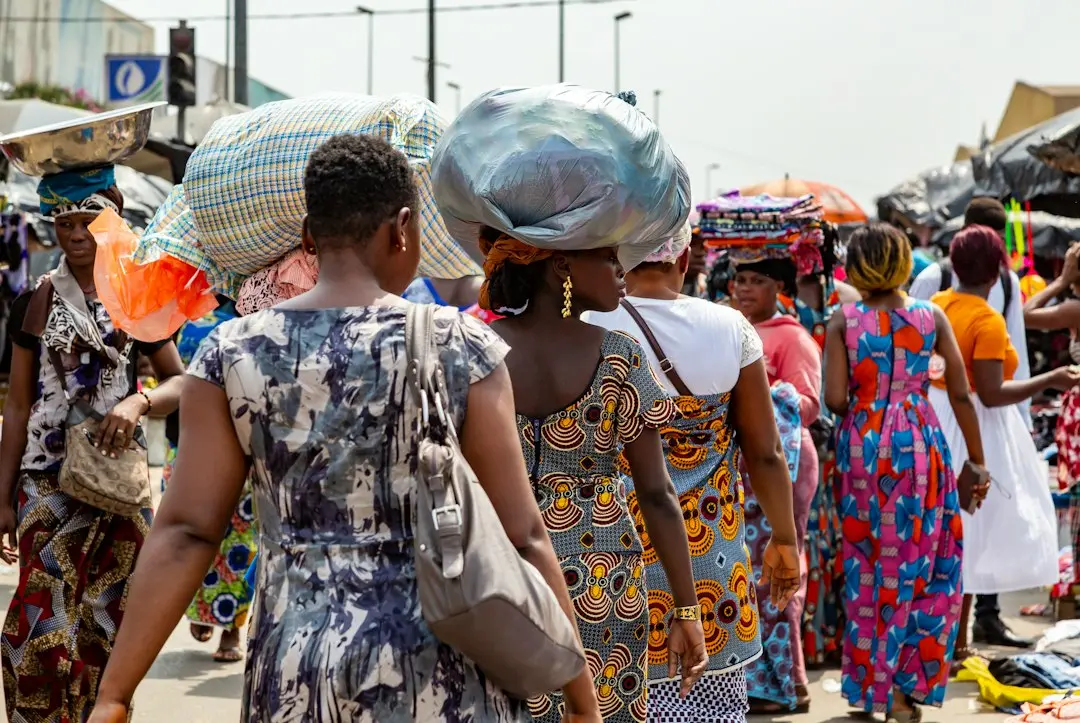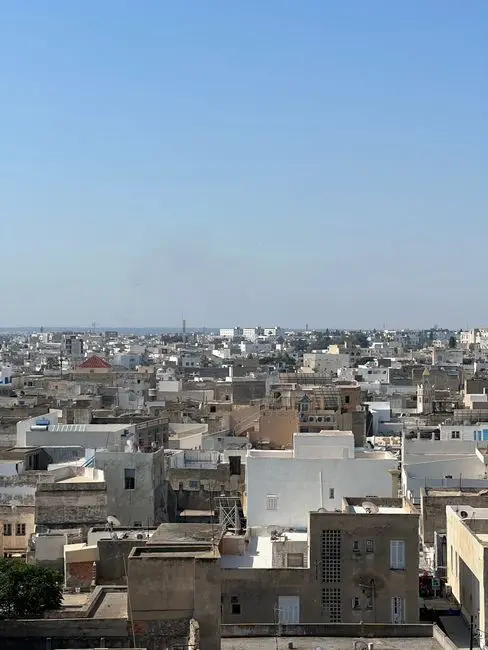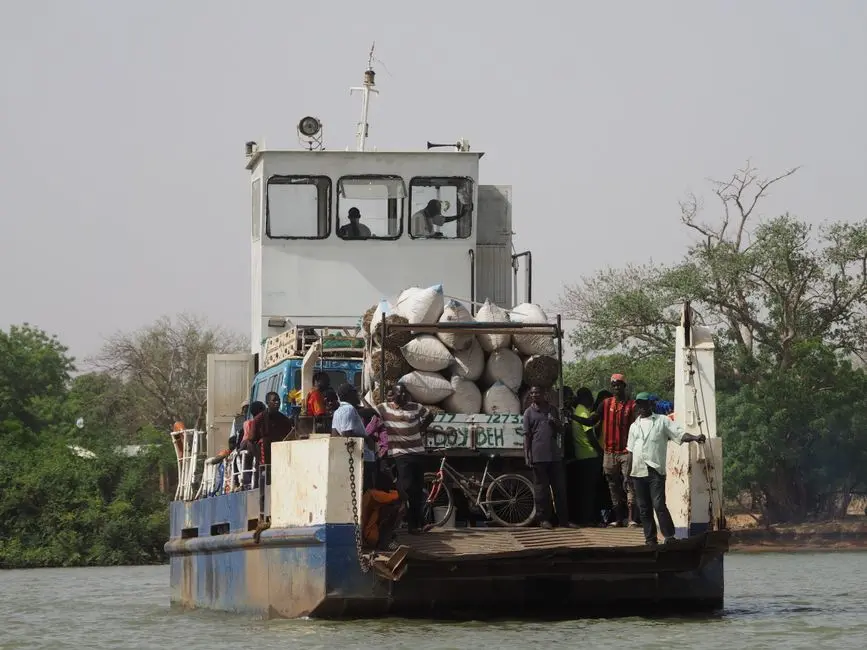




The wind blows over the shores of Lake Nokoué, stirring up a mixture of stagnant water and smoke. A few meters away, children wade through murky water, while fishing nets float among plastic waste. For many Beninese, this scene has become ordinary. Yet it embodies a silent emergency: the environmental challenges that Benin will absolutely need to face by 2030.
What are Benin’s current environmental challenges?
Benin must contend with coastal erosion, flooding, pressure on agricultural land, the protection of biodiversity, and energy dependency. The country’s natural assets can support development, provided investments are made in climate adaptation, water management, and renewable energy.
Demographic pressure choking ecosystems
Benin is home to more than 13 million inhabitants today. By 2030, that figure could approach 16 million, according to projections from the Institut National de la Statistique et de l’Analyse Économique (INSAE). This rapid growth places considerable pressure on natural resources, which are already fragile.
“The pace of urbanization is such that cities can no longer keep up. Wetlands are being nibbled away, forests cleared, and groundwater tables overexploited,” laments Mireille Adoun, an urban planner in Cotonou.
The country’s economic capital, Cotonou, perfectly illustrates this imbalance. Over the course of two decades, its suburbs have expanded haphazardly, often at the expense of ecologically sensitive areas such as mangroves and the banks of Lake Nokoué.
Rising waters: a very real threat
Benin has a 121-kilometer maritime coastline. But this opening onto the Atlantic is now a source of anxiety. The phenomenon of coastal erosion, aggravated by climate change, threatens dozens of villages and infrastructure.
“In Avlékété, the sea has already swallowed more than 200 meters of shoreline in ten years. Houses are disappearing, schools are collapsing,” says Koffi Ahouansou, a fisherman for three generations.
The government has launched several coastal protection projects, including the construction of rock groynes. But these solutions remain costly and sometimes insufficient. According to a World Bank report, 60% of Benin’s coastline is exposed to a high risk of erosion by 2030.
Biodiversity under pressure
Benin is a country of savannas, forests, and wetlands, home to a remarkably rich flora and fauna. Yet this biodiversity is in danger. Poaching, illegal deforestation, and agricultural expansion threaten the most precious ecosystems.
In Pendjari National Park, one of the last refuges for elephants and lions in West Africa, authorities are trying to hold their ground. “We have stepped up patrols, but the pressures are immense. Local communities need land to farm and wood to heat their homes,” explains Issa Yérima, a forest ranger for 18 years.
Between 2000 and 2020, Benin lost nearly 20% of its forest cover, according to Global Forest Watch. An alarming figure, especially since these forests play a crucial role in climate regulation and soil preservation.
A waste management system at breaking point
Every day, Beninese cities produce more than 3,000 tonnes of solid waste. In Cotonou, only 40% of this waste is collected and properly processed. The rest ends up in the streets, gutters, or waterways.
“Plastic is everywhere. It clogs the drains, pollutes the lagoons, kills aquatic wildlife,” says Rodrigue Dossou, coordinator of a local environmental NGO.
The government banned plastic bags in 2017, but enforcement of the law remains uneven. Markets are still overflowing with non-biodegradable bags, often imported illegally.
Citizen initiatives are emerging, such as the “Recycl’Up” cooperative which transforms plastic waste into paving stones. But to reverse the trend, a deep change in consumption habits and urban management is essential.
Agriculture made vulnerable by the climate
Nearly 70% of Beninese people live from agriculture. But the seasons no longer look the same. Rains arrive late, droughts grow longer, and floods become more frequent.
“In 2022, I lost my entire maize harvest. It rained too hard, too fast. My plot was swept away,” recounts Mélanie Toko, a farmer in Zou.
Climate disruption is upending traditional agricultural cycles. Yields are falling, soils are becoming depleted, and farmers are struggling to adapt. The National Climate Change Adaptation Plan provides for support measures, but funding is critically lacking.
According to the United Nations Development Programme (UNDP), Benin could lose up to 30% of its agricultural production by 2030 if no adaptation measures are implemented on a large scale.
Towards a still tentative energy transition
Benin still relies heavily on imported fossil fuels, particularly for its electricity production. Yet the country benefits from exceptional sunshine, conducive to the development of solar energy.
Pilot projects have emerged, such as the 25 MW solar power plant at Illoulofin, inaugurated in 2022. But at the national level, renewable energy still accounts for only 8% of the energy mix.
“Strong political will is needed to accelerate the transition. The potential is there, but investment remains low,” analyses Nadège Gbèdo, a sustainable energy engineer.
The challenge is all the more critical as energy demand is exploding, driven by demographic growth and urbanization. Without sustainable alternatives, there is a real risk of seeing the country’s greenhouse gas emissions soar in the years to come.
As the 2030 horizon draws closer, Benin finds itself at a crossroads. Between demographic growth, climate emergency, and ecological transition, the choices ahead will be decisive. The question remains open: will the country manage to reconcile development and the preservation of its environment before it is too late?