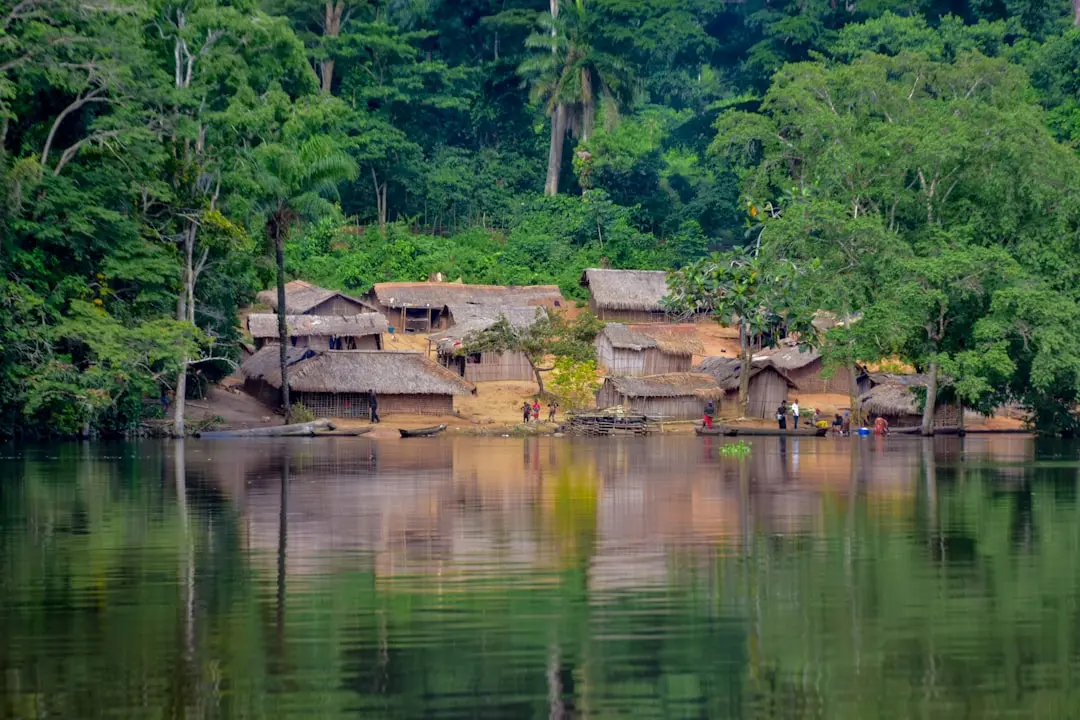




In the reddish depths of Kolwezi, in western Democratic Republic of Congo, silhouettes bustle under a blazing sun. Hands blackened by dust extract a metal with a discreet name but immense power: cobalt. Invisible in everyday life, it is nonetheless present in every electric car battery, every smartphone, every wind turbine. A rare metal, coveted, and at the heart of a silent global battle.
The cobalt heart of the planet
The DRC holds more than 70% of the world’s cobalt reserves, according to data from the US Geological Survey. In 2023 alone, the country produced nearly 130,000 tonnes of this blue-grey metal, twice as much as the rest of the world combined. A colossal strategic weight in a global economy undergoing full energy transformation.
“Without Congolese cobalt, the transition to clean energy would slow down considerably,” says Thomas Lefèvre, an analyst in the geopolitics of natural resources. “This metal is essential for stabilizing lithium-ion batteries, particularly those used in electric vehicles.”
Tesla, Apple, Volkswagen, and even Asian giants like BYD or CATL are scrambling for this ore. But behind this rush lies a more complex reality, where the wealth of the soil does not always translate into local prosperity.
A wealth that eludes the people
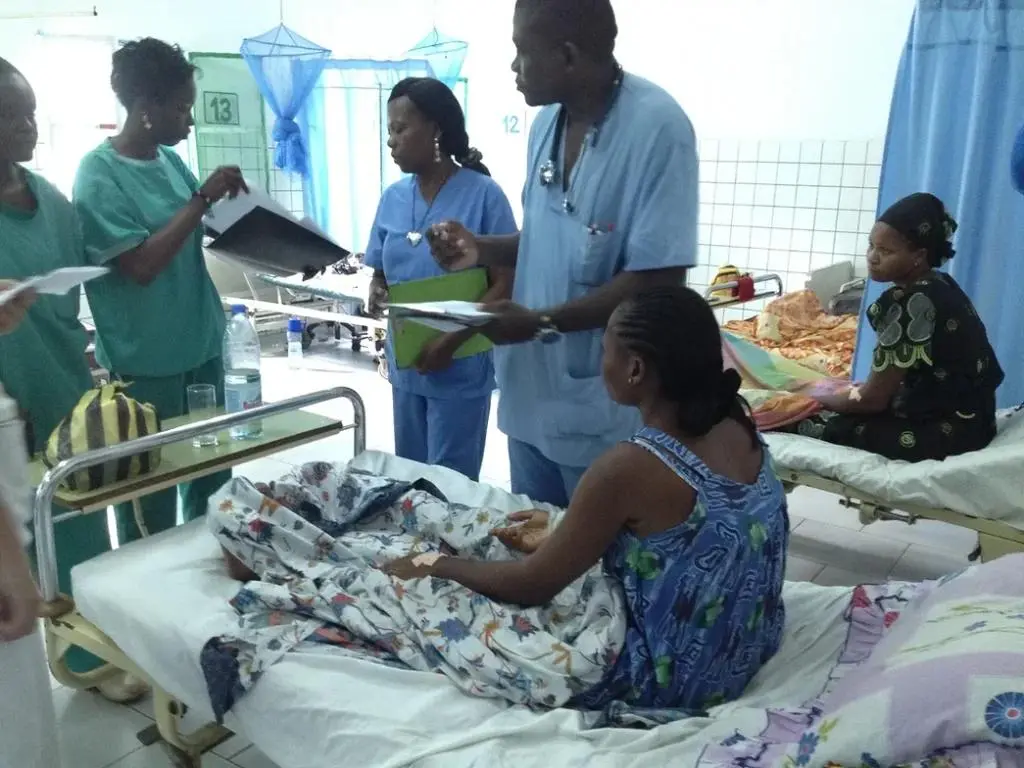
In Kolwezi, the world capital of cobalt, residents often live in poverty. Despite the billions of dollars generated by ore exports, infrastructure is failing, schools are underfunded, and hospitals are overwhelmed.
“We see trucks passing every day, loaded with ore, but our roads are still dirt tracks,” says Mado, a schoolteacher in the commune of Dilala. “Our children have neither textbooks nor electricity at home. Where does this money go?”
The question is a recurring one. According to a Resource Matters survey, less than 10% of mining revenues benefit local communities directly. The rest evaporates into the opaque circuits of mining contracts, poorly redistributed taxes, and unbalanced partnerships.
China, an indispensable player
Over the past decade, China has built a discreet empire around Congolese cobalt. More than 80% of cobalt refineries worldwide are controlled by Chinese companies, and the majority of cobalt extracted in the DRC passes through these circuits.
“Beijing understood very early on that control of raw materials would be the key to technological dominance,” explains Lydia Mbuyi, an economist based in Kinshasa. “They invested massively in mines, roads, and even schools to gain local influence.”
Companies such as China Molybdenum and Huayou Cobalt now hold strategic concessions in Katanga. In return, the DRC has obtained infrastructure, but often at a high environmental and social cost.
Artisanal mines with inhumane conditions
Beyond the large industrial concessions, tens of thousands of artisanal miners extract cobalt by hand, sometimes at the risk of their lives. They are known as “diggers.”
“My 14-year-old son died in a collapse in 2021,” whispers Joséphine, a mother in Kasulo. “He just wanted to help pay for school fees.”
Amnesty International and other NGOs regularly denounce the working conditions in these mines, where children work alongside adults, without protection, without a fixed wage, and without recourse in the event of an accident.
Faced with international pressure, several companies have promised to “clean up” their supply chains. But in practice, cobalt traceability remains a major challenge in a country where the state struggles to enforce its rules.
Towards Congolese mining sovereignty?
Since coming to power, President Félix Tshisekedi has expressed his desire to “renegotiate one-sided contracts” and restore the country’s control over its resources. In 2022, Gécamines, the state mining company, reclaimed control of several strategic assets.
A cobalt refinery project in Kolwezi is also underway, with the ambition of processing ore locally rather than exporting it raw. “It is a matter of economic dignity,” the Minister of Mines, Antoinette N’Samba Kalambayi, recently declared. “We no longer want to be mere suppliers of raw materials.”
But the obstacles are numerous: lack of financing, technological dependence, endemic corruption. Mining sovereignty remains an uncertain horizon, but one that is increasingly asserted.
A metal with a glint of the future
Cobalt is not eternal. Reserves will one day be exhausted, and innovations are already seeking to do without it. But for now, it remains at the centre of the global energy revolution.
In the DRC, it represents a historic opportunity for development, but also a merciless mirror of global inequalities. “We do not want cobalt to become our curse the way oil has been elsewhere,” warns Jean-Pierre Kanku, a local activist. “It must be our lever, not our trap.”
As the world accelerates towards a post-carbon era, one question remains: will the DRC be able to transform its cobalt into an engine of sustainable prosperity, or will it remain a mere bystander to its own wealth?