

In a dusty room in Douala, files pile up on a wobbly table. They all tell the same story: ambitious regional integration projects, left in limbo. Yet, at the heart of Central Africa, one question obsesses leaders, economists, and citizens alike: why does a region so rich still struggle to unite?
Immense potential, but fragmented
Central Africa, with its eleven countries and nearly 180 million inhabitants, is teeming with natural resources. Oil, uranium, timber, rare minerals: the region is a veritable treasure chest. Yet it remains one of the least integrated areas on the continent.
The Afriques newsletter
- Free & no spam
- 1 email per day
- Unsubscribe in 1 click
“We have everything we need to succeed,” sighs Marc Nguema, a Gabonese economist. “But every country moves forward alone, as if the other is a competitor, not a partner.”
The Economic Community of Central African States (CEEAC) and the Economic and Monetary Community of Central Africa (CEMAC) have existed for decades. But their effectiveness remains limited. Customs barriers persist. Infrastructure is poorly connected. And intra-regional trade accounts for only 3% of the region’s total trade, compared to more than 15% in West Africa.
Borders that hinder more than they protect
On the road between Cameroon and Chad, trucks can wait several days to cross border posts. Controls are slow, fees unpredictable. “Sometimes they ask me to pay three times for the same shipment,” says Issa, a Chadian transporter. “It’s as if they don’t want us to move around.”
Borders, meant to protect, become walls. They slow down the flow of goods, but also ideas, skills, and investments. And they fuel mistrust between neighbors.
According to a report by the African Development Bank, logistics costs in the region are among the highest on the continent. On average, transporting one ton of goods over 100 km costs 30% more in Central Africa than in Southern Africa.
The trap of dependence on raw materials
Central Africa’s wealth is also its weakness. Most countries depend heavily on the export of raw materials, often to Europe or China. Intra-regional trade is low because the economies are not complementary.
“We all sell the same things abroad, but we buy almost nothing from each other,” explains Clarisse Bongo, an analyst in Libreville. “There is no regional value chain. No common industry.”
This dependence makes economies vulnerable to external shocks. The fall in oil prices in 2014 plunged several countries into crisis. Deeper integration would make it possible to diversify economies, create jobs, and strengthen collective resilience.
Regional institutions in search of credibility
CEMAC, which brings together six countries sharing the franc CFA, struggles to enforce common rules. Decisions are often blocked by diverging national interests. “It’s a facade integration,” says a diplomat based in Bangui. “Heads of state meet, sign agreements, but on the ground, nothing changes.”
The free movement of persons, for example, has theoretically been in force since 2017. In practice, many citizens continue to be turned away at borders. And visas remain a reality for many.
“I was stopped at the airport in Brazzaville when I was coming from Kinshasa,” recounts Paul, a Congolese student. “They told me my passport wasn’t sufficient. Yet it’s the same country, isn’t it?”
Mistrust between states, political tensions, and internal conflicts hamper cooperation. Without strong political will, regional institutions remain powerless.
Young people, drivers of integration from below
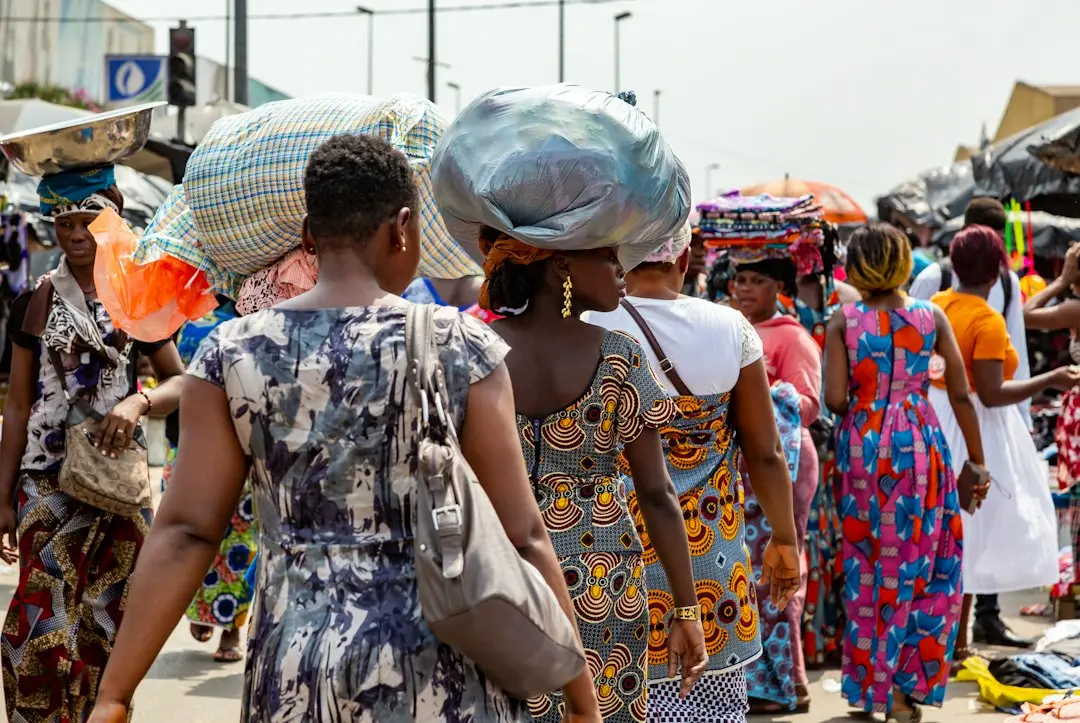
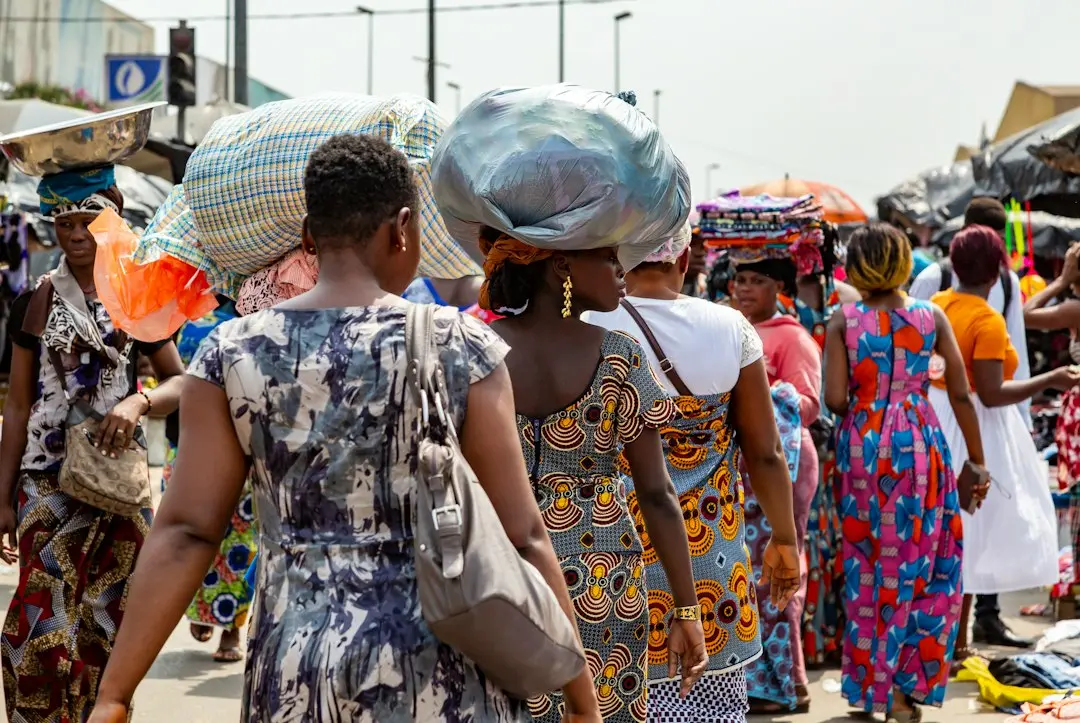
Despite institutional blockages, another form of integration is emerging. Informal, underground, but very real. It is driven by young people, entrepreneurs, artists, and traders.
“On Instagram, I sell my clothes to customers in Gabon, Congo, and the Central African Republic,” says Mireille, a Cameroonian fashion designer. “I don’t need a visa for that. Just a good network.”
Social networks, digital platforms, and mobile payment services bypass borders. They create connections, exchanges, and regional communities. And they show that integration can also come from below, without waiting for decisions from political summits.
Diasporas also play a key role. Present in all the region’s capitals, they weave human and economic bridges. They invest, create businesses, share ideas. And they dream of a more fluid, more united regional space.
A possible awakening, but at what cost?
Recent crises — pandemic, political instability, climate change — serve as a reminder of the urgency of rethinking regional cooperation. Central Africa cannot face the challenges of the 21st century alone. It must unite to carry weight, to innovate, to resist.
Recent initiatives show a growing awareness. In 2023, CEEAC launched an investment plan in regional infrastructure. The Douala-Bangui-N’Djamena corridor project is moving slowly, but moving. And discussions about a single currency are timidly resurfacing.
But obstacles remain numerous. And the question remains: will leaders have the courage to move beyond national self-interest? Will peoples have the patience to wait for tangible results?
“Integration is not an option,” asserts Joséphine Ndong, an Equatoguinean sociologist. “It is a necessity. But it will only come if we demand it, if we build it, every day.”
As eyes turn toward other regions of the continent, more dynamic ones, Central Africa stands at a crossroads. What if the true engine of integration were neither treaties nor summits, but the silent will of the peoples?