

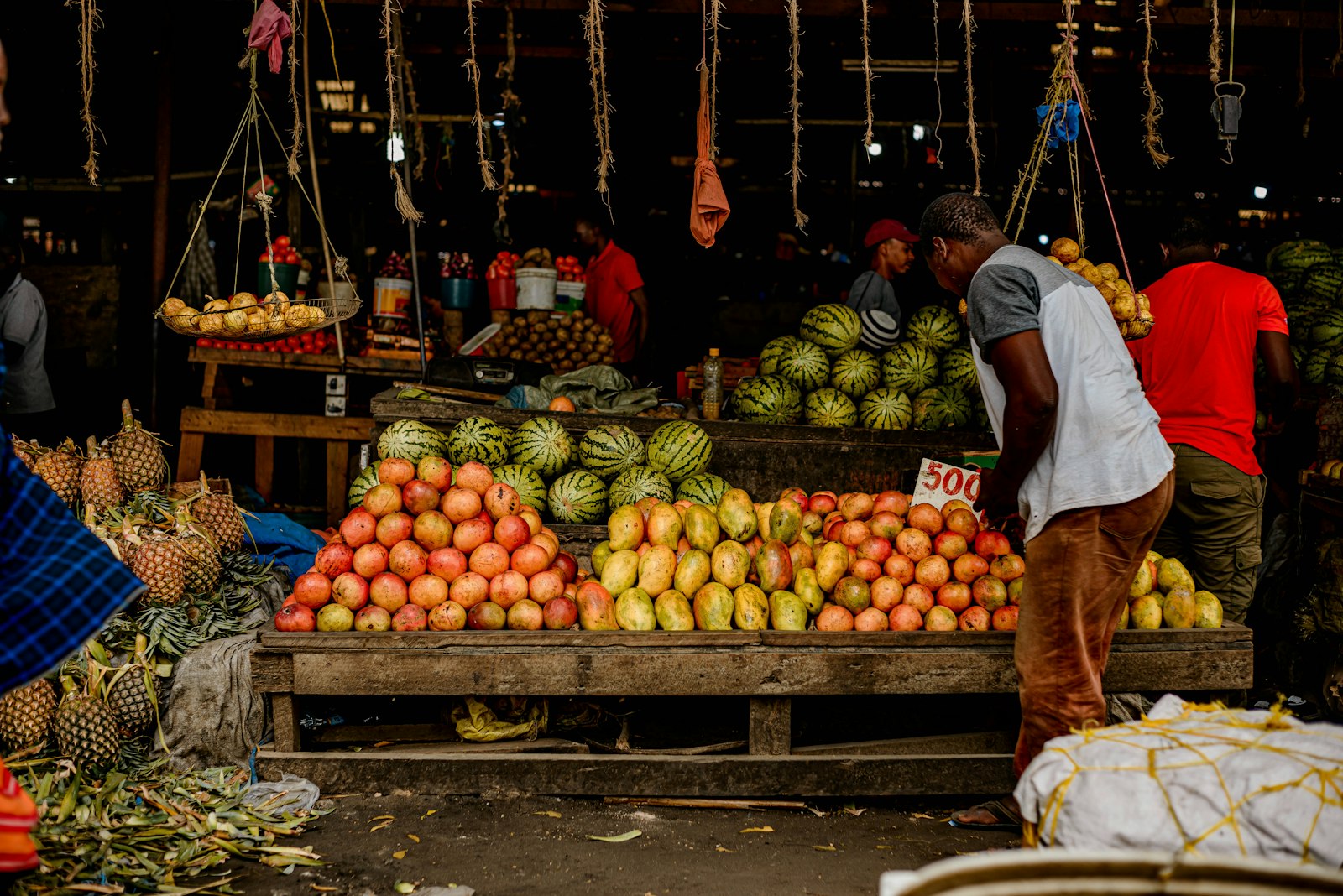
A sharp and accelerating climb
Rwanda’s urban consumer prices rose 19.5% year-on-year in October 2026, according to the Consumer Price Index published by the National Institute of Statistics of Rwanda (NISR) on 10 November 2026. That compares with 17.2% in September 2026 and just 7.1% in October 2025 — meaning the annual rate has nearly tripled in twelve months. On a monthly basis, urban prices jumped 3.3% between September and October 2026 alone, a pace that, if sustained, would compound to well above 40% annualised.
The acceleration is not recent noise. The NISR data show that urban annual inflation was already climbing fast through the second half of 2026 — from 13.6% in June to 19.5% in October — after a period when it had been holding in the 8–9% range in early 2026. The average annual rate across the full twelve-month window between October 2025 and October 2026 stands at 12.5%, masking just how steep the second-half surge has been.
Rural Rwanda: a separate and harsher reality
The headline urban figure, troubling as it is, understates the pressure on most Rwandans. The rural CPI rose 31.3% year-on-year in October 2026 — and 8.6% in a single month. When urban and rural indices are combined, the national figure reaches 26.5% year-on-year and 6.5% month-on-month.

The Afriques newsletter
- Free & no spam
- 1 email per day
- Unsubscribe in 1 click
This urban-rural divergence matters for anyone assessing Rwanda’s social stability and consumer-market outlook. Rwanda remains predominantly rural, and double-digit monthly price swings in rural areas erode household purchasing power far faster than the urban headline suggests. For diaspora members sending remittances home, the real value of transfers is being eroded at an accelerating pace.
How does this compare regionally?
To put these numbers in an East African context: Rwanda’s East African neighbours — Kenya, Uganda and Tanzania — have generally recorded lower inflation in recent cycles. A 19.5% urban rate and a 31.3% rural rate would place Rwanda firmly at the high end of the regional spectrum — closer to the pressures seen in some West African economies navigating currency stress than to the relative price stability that has historically characterised the East African Community. That context is relevant for investors benchmarking Rwanda against regional peers, and for multinationals with East African operations making sourcing or pricing decisions.
What the data does not tell us
The NISR release provides the headline indices but does not, in this publication, break down the specific categories driving the surge — food, energy, transport and housing are the usual culprits in emerging-market inflation episodes, but their relative weights in this particular acceleration are not confirmed by the source. Nor does the NISR data indicate whether monetary or fiscal policy responses are under consideration. Those gaps are material: an investor or business operator in Kigali needs to know whether, say, food prices or energy costs are the primary driver, since the two demand very different hedging or pricing strategies.
What to watch
Three things are worth tracking closely in the coming months. First, whether the monthly rate — 3.3% urban, 8.6% rural in October — begins to moderate or continues to compound. Second, any policy response from the National Bank of Rwanda, whose rate decisions will signal how seriously authorities are treating the inflation overshoot. Third, the November and December 2026 CPI releases, which will show whether October was a seasonal or structural inflection point. For now, the direction of travel is unambiguously upward, and the gap between urban and rural inflation suggests the burden is falling hardest on those least equipped to absorb it.
Source: National Institute of Statistics of Rwanda (NISR), Consumer Price Index, October 2026, published 10 November 2026.